
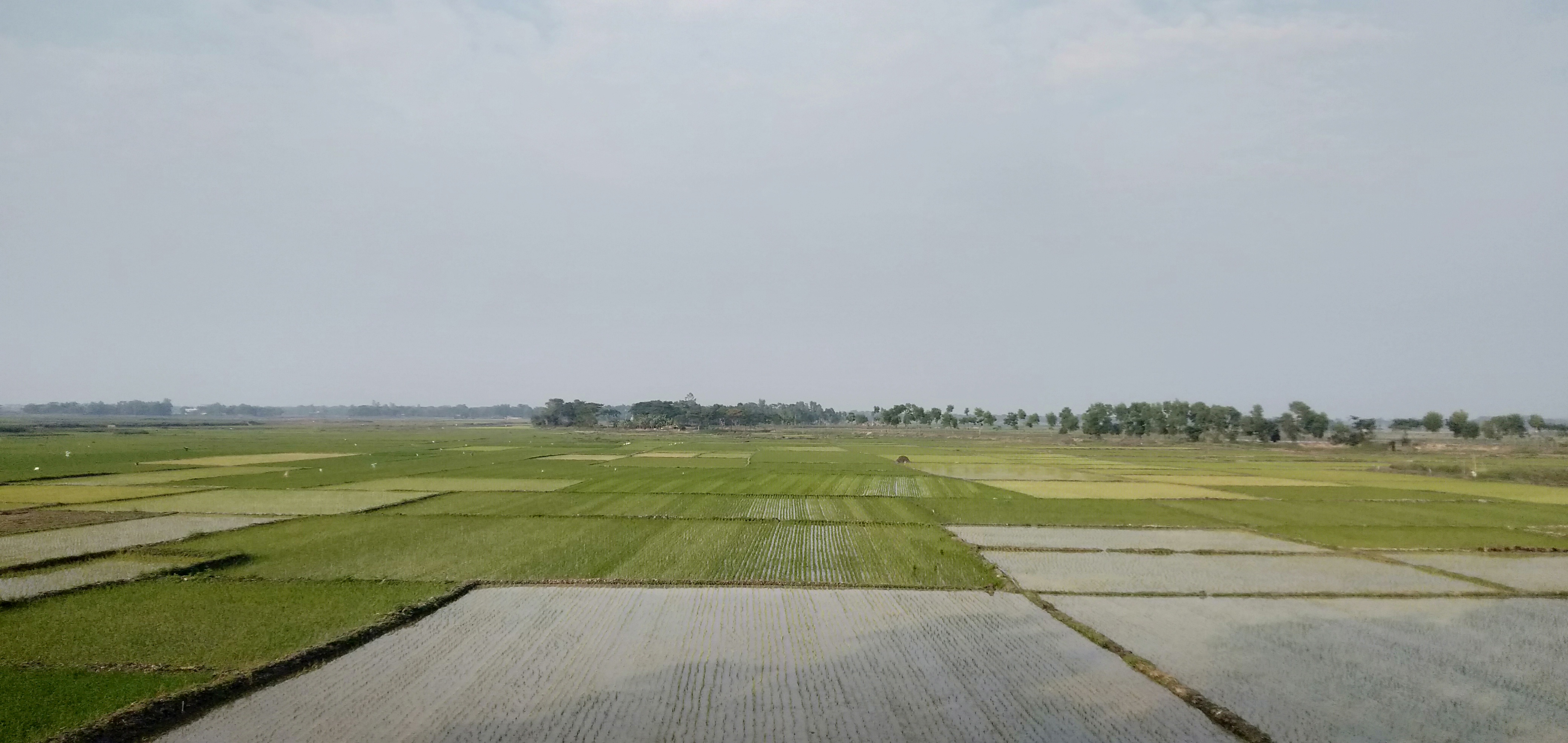
Food grain stocks in Bangladesh's government warehouses reached their highest level ever at the end of July 2025. According to Directorate of Food data for 27 July, the public stock stood at 2,054,179 tonnes (20.54 lakh tonnes). It held 1,795,096 tonnes of rice, 124,146 tonnes of paddy and 178,388 tonnes of wheat. Boro season buying of paddy and rice was also heading for a record, officials said.
The previous high was in January 2022
Officials said the previous record was set in January 2022, at 19.85 lakh tonnes. A year earlier, at the same time of year, the stock had been about 16 lakh tonnes. With boro buying still under way the stock was expected to rise further, but not by much: officials put the capacity of government warehouses at about 22.5 lakh tonnes.
Md Moniruzzaman, director of the directorate's procurement division, told Jago News: "Our stock has crossed 20.5 lakh tonnes. Since independence, government food grain stocks have never reached this level. Boro procurement is going on, and another two lakh tonnes of rice will come in."
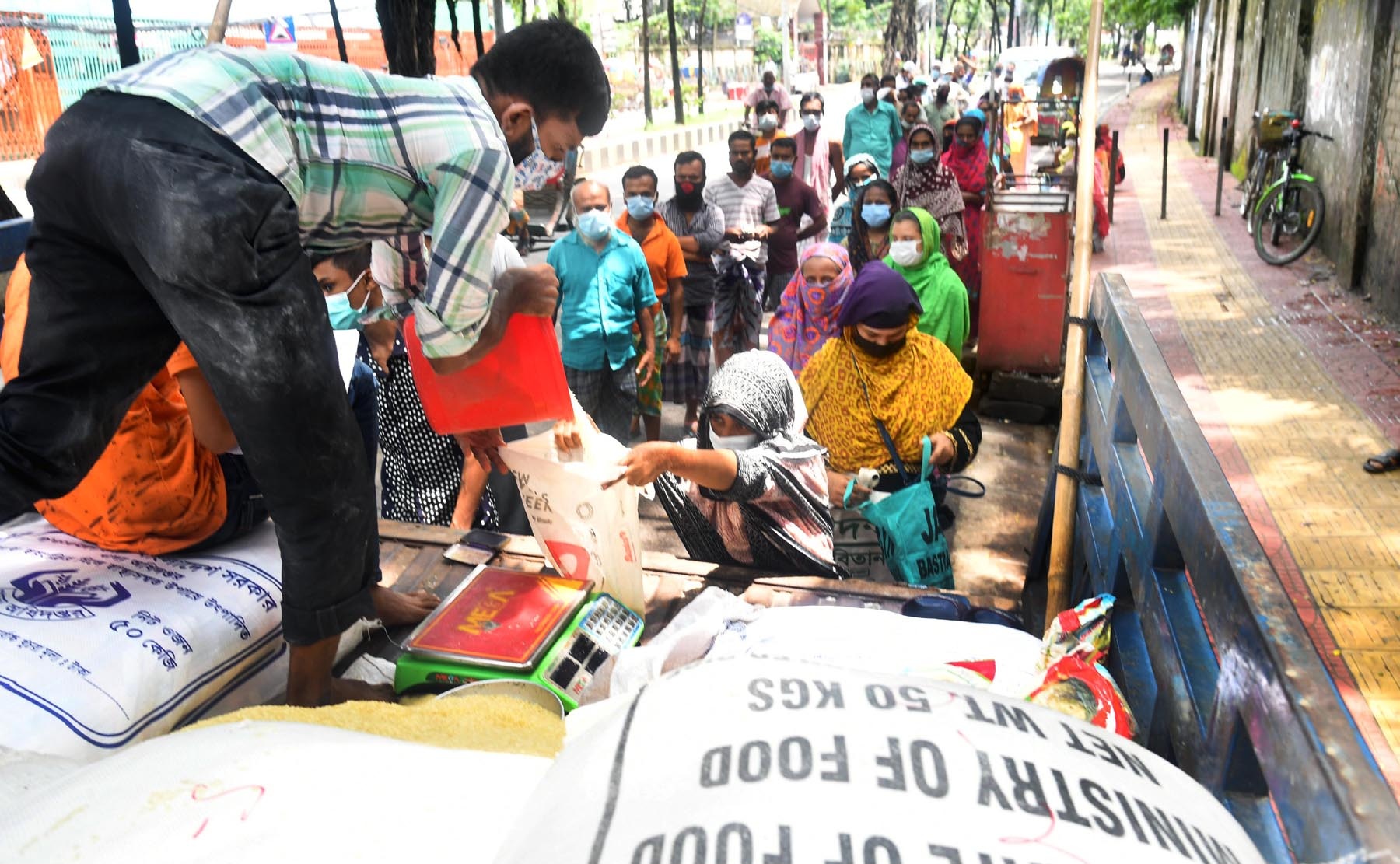
The government uses this stock to steady the market through open market sales (OMS), the food-friendly programme and other safety net schemes. It builds the stock by buying at home and by importing; most domestic buying comes in the boro season. Officials said that buying enough at home cuts dependence on imports and saves foreign currency.
Boro procurement: targets, prices and progress
At its meeting on 9 April 2025, the Food Planning and Monitoring Committee (FPMC) set boro targets of 3.5 lakh tonnes of paddy, 14 lakh tonnes of parboiled rice and 35,000 tonnes of atap (sun-dried) rice. The purchase price was fixed at Tk 36 a kg for paddy and Tk 49 a kg for rice. Buying began on 14 April and was due to run until 31 August. For comparison, The Daily Star reported that in the 2024 boro season the prices were Tk 32 for paddy and Tk 45 for parboiled rice.
By 27 July, total boro procurement stood at 1,428,151 tonnes: 376,992 tonnes of paddy, 1,147,684 tonnes of parboiled rice and 35,454 tonnes of atap rice. Paddy buying had passed its target; on 15 July The Business Standard had already reported 3.76 lakh tonnes of paddy bought against the 3.5 lakh tonne goal. The Ministry of Food allowed an extra 50,000 tonnes of parboiled rice and 15,000 tonnes of atap rice to be bought in boro.
Officials said boro procurement in earlier years had never gone beyond 14 lakh tonnes, even though targets were higher; rice purchases came close to target, but not even half the paddy target could be bought. This season, they said, procurement could pass 15 lakh tonnes, and Moniruzzaman said the drive might close in mid-August if the target was met early.
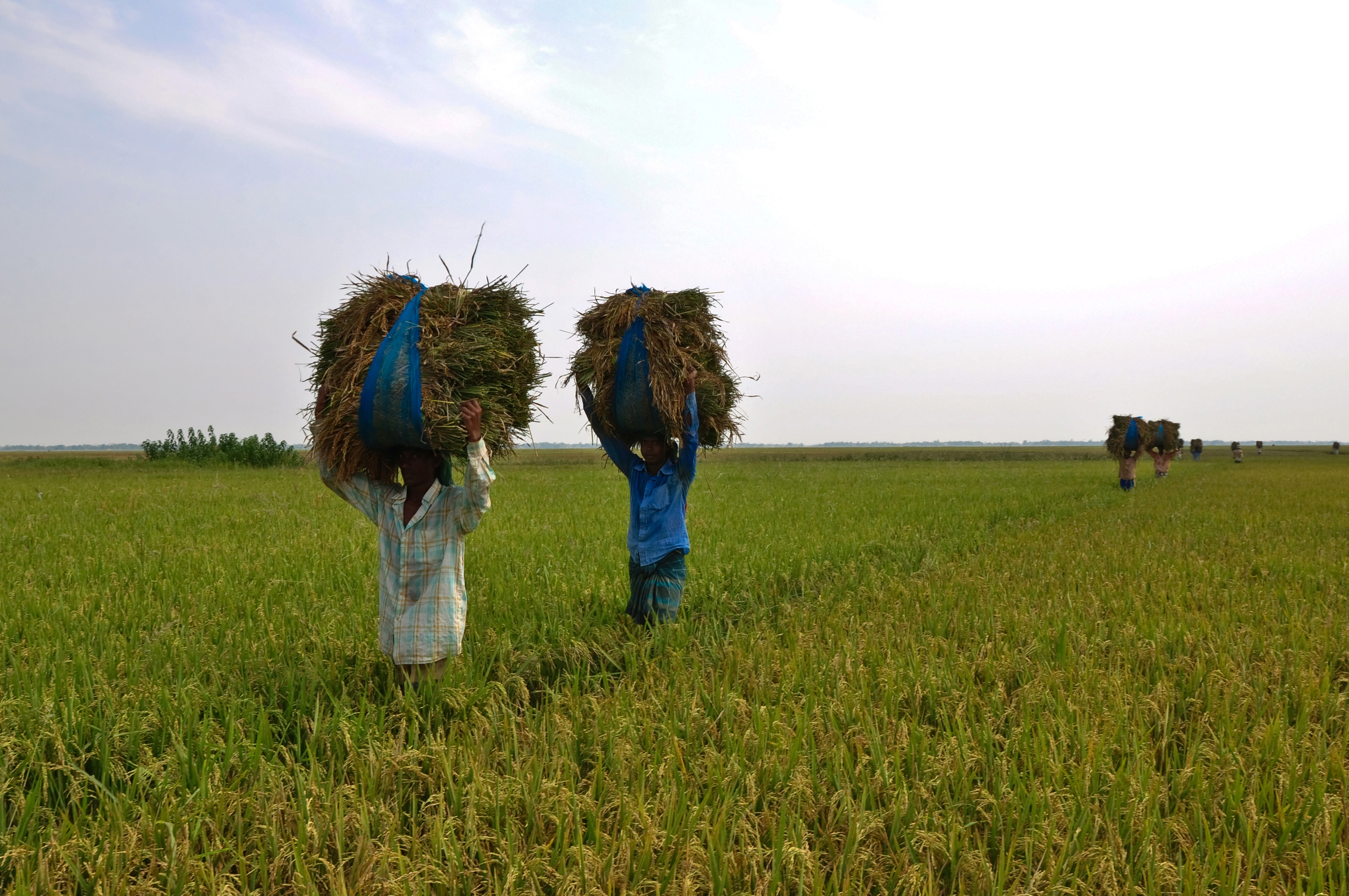
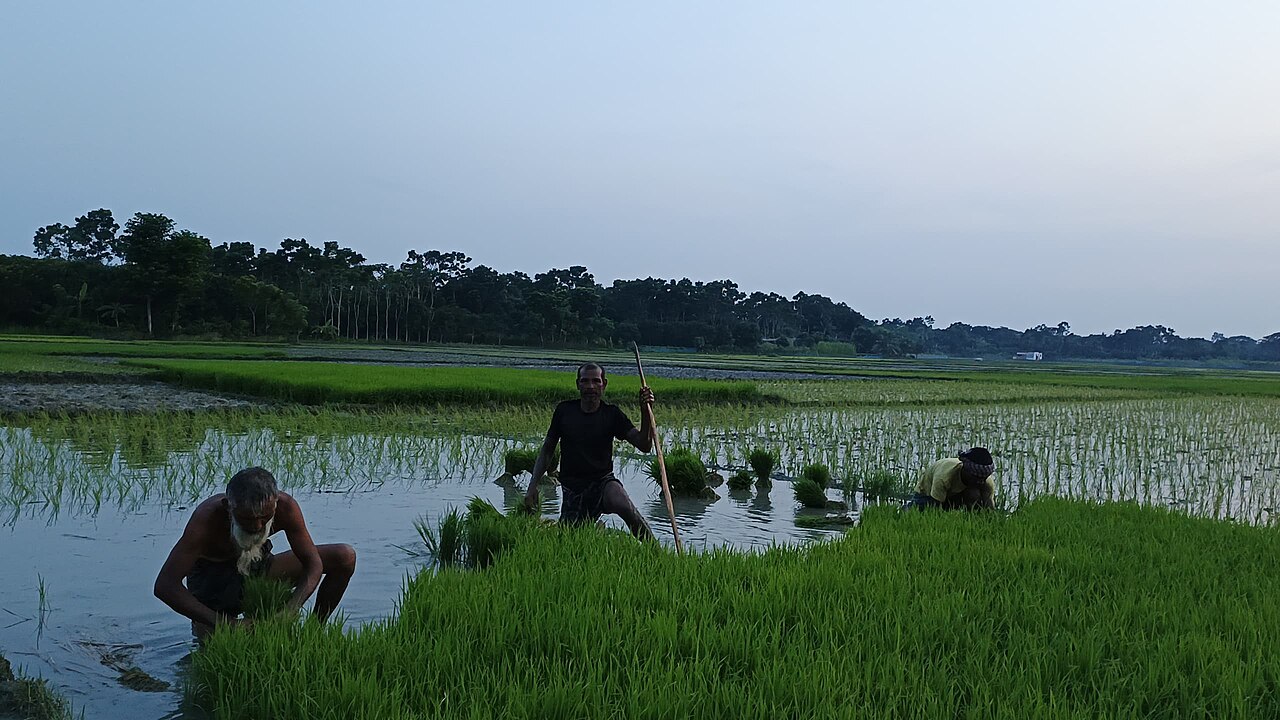
Boro is Bangladesh's irrigated dry-season rice, planted from mid-November to February and harvested from April to June. It is now the country's leading paddy crop.
Rice prices, the food-friendly programme and imports
At the time, rice prices had risen slightly and then held steady. Directorate of Food Director General Md Abul Hasanat Humayun Kabir said: "In the period after boro until aman, prices rise a little." He said that from 15 August the food-friendly programme would give 55 lakh families 30 kg of rice a month at Tk 15 a kg, and officials expected prices to ease then. On 15 July, Food Adviser Ali Imam Majumder told The Business Standard the programme would run from August to November and again in February and March.
The director general said the government already had approval to import 4 lakh tonnes of rice in the current fiscal year and would decide on imports as the situation required. The Business Standard reported that the FPMC took that decision for fear of floods in the aman season.
To keep the market stable, the government also opened rice imports to the private sector, with a target of 5 lakh tonnes for the fiscal year. On 23 July the Ministry of Food invited applications from interested firms. Applications had to be made online on the ministry's website by 7 August, and firms that had applied before the notice had to apply again.
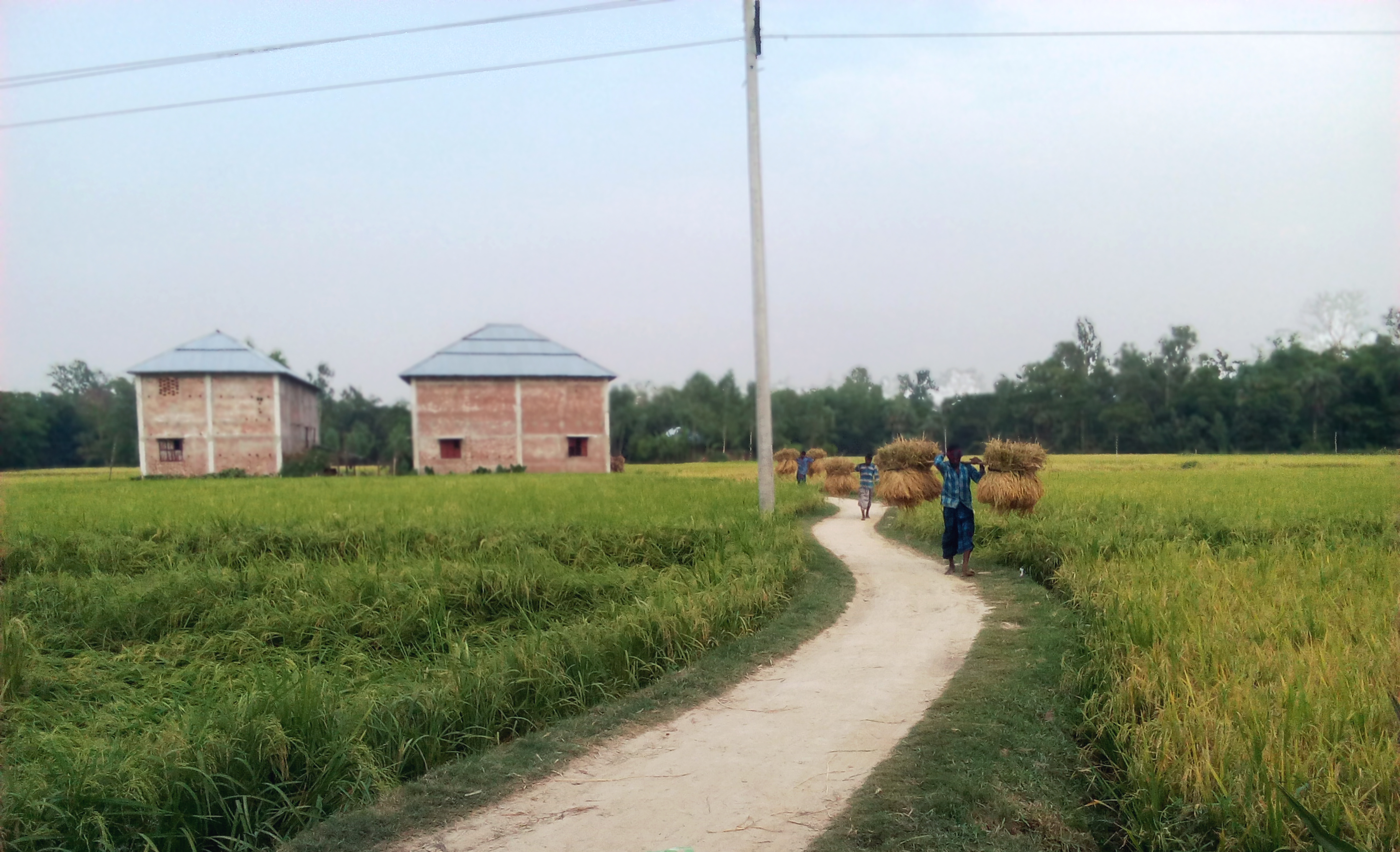
Photo: AbuSayeed / Wikimedia Commons (CC BY-SA 4.0)
Sources: Jagonews24, The Business Standard, The Daily Star, Wikipedia
Comments
(0)