
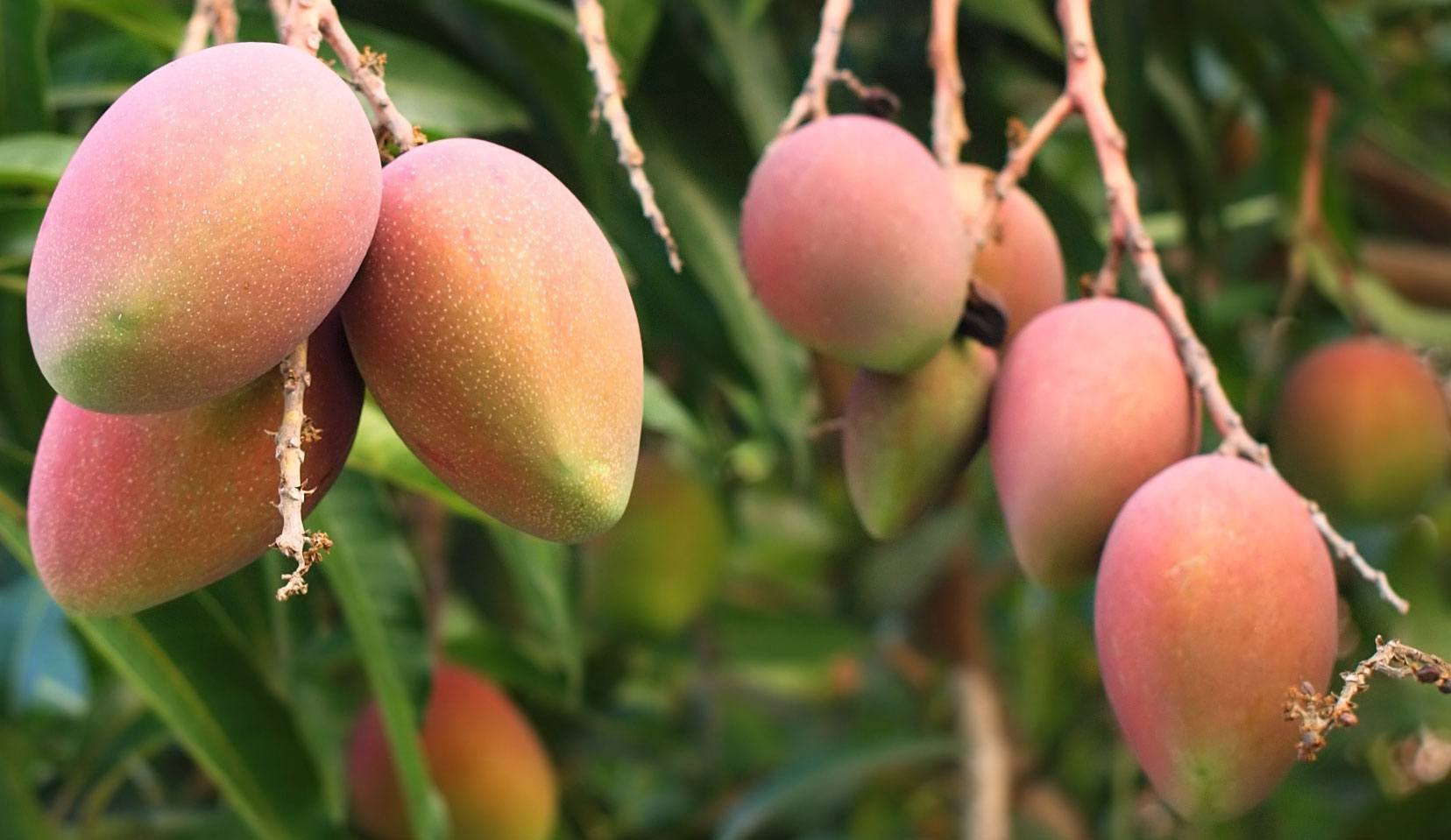
The Bangladesh government sent Amrapali and Haribhanga mangoes as a goodwill gift to West Bengal Chief Minister Suvendu Adhikari and Tripura Chief Minister Dr Manik Saha at the end of June 2026. The fruit was handed over on the afternoon of Tuesday 30 June 2026 through two land ports, Benapole in Jashore and Akhaura in Brahmanbaria, to Bangladesh's Deputy High Commission in Kolkata and its Assistant High Commission in Agartala, Jagonews24 reported on the evening of 1 July 2026.
In all, 1,100 kilograms of mangoes were sent for the two Indian states. Of this, 100 kilograms each was meant for the two chief ministers. The rest was to be given as goodwill gifts to distinguished personalities and senior officials of West Bengal and Tripura.
How the 1,100 kilograms were divided
According to the Jagonews24 report, the consignment for the Deputy High Commission in Kolkata was packed in 100 cartons of 5 kilograms each, a total of 500 kilograms. The consignment for the Assistant High Commission in Agartala was packed in 120 cartons of 5 kilograms each, a total of 600 kilograms. The Kolkata share went through Benapole, the crossing on the road to Kolkata, and the Agartala share through Akhaura, which faces Agartala across the border.
Dhaka Tribune, in a report first published at 6:45 pm on 1 July 2026, gave the same division: 600 kilograms in 120 cartons for Agartala and 500 kilograms in 100 cartons for Kolkata. It said the consignments crossed into India on Tuesday, named the two varieties as Haribhanga and Amrapali, and said the fruit would be distributed among senior government officials, diplomats and other dignitaries in the two states. Quoting officials, it said 100 kilograms had been allocated for Manik Saha.
Both men were serving chief ministers when the gift was sent. Suvendu Adhikari took the oath as Chief Minister of West Bengal on 9 May 2026 at the Brigade Parade Ground in Kolkata, The Statesman reported that day. Manik Saha, a dental surgeon by training, which is why the Bengali report calls him Dr Manik Saha, took the oath as the 11th Chief Minister of Tripura on 15 May 2022.
The two receiving offices are Bangladesh's diplomatic missions in the capitals of the two neighbouring states. In earlier years the Agartala mission's officials received similar consignments at Akhaura and delivered them to the chief minister. In June 2023, for example, the Assistant High Commissioner received the mangoes at the zero line of the land port, The Business Standard reported, and handed them over to the chief minister at his official residence that evening, according to a Press Trust of India report carried by EastMojo.
A gift sent most summers
Mangoes from Bangladesh have gone to Indian leaders in most recent seasons, and newspapers have often called the practice mango diplomacy. Reports published before July 2026 describe the following consignments:
- 2021: on Sunday 4 July 2021 a truck carrying 2,600 kilograms of Haribhanga mangoes, grown in the Rangpur region, crossed the border through Benapole as a gift to the Indian Prime Minister and the then West Bengal Chief Minister. The first secretary (political) of the Deputy High Commission in Kolkata received it (Dhaka Tribune, 4 July 2021).
- 2022: mangoes were sent to the Indian Prime Minister and the chief ministers of West Bengal, Tripura and Assam, according to a Press Trust of India report of June 2023.
- 2023: 600 kilograms of Himsagar and Langra mangoes went to the then West Bengal Chief Minister, and mangoes were also sent to the chief ministers of the northeastern states (Deccan Herald, citing PTI, 13 June 2023). On 15 June 2023, 500 kilograms crossed through Akhaura for the Tripura Chief Minister (The Business Standard, 15 June 2023), who thanked Bangladesh for the gift on behalf of the people of Tripura (EastMojo, 16 June 2023).
- 2024: on 27 June 2024 a consignment of 400 kilograms of Haribhanga mangoes, 50 kilograms of hilsa fish and 50 kilograms of roshogolla was sent to the Tripura Chief Minister through Akhaura. The foreign ministry arranged the transfer through a Dhaka export company (The Business Standard, 27 June 2024).
- 2025: 300 kilograms of Haribhanga mangoes, packed in 60 cartons, crossed through Akhaura for the Tripura Chief Minister and other dignitaries, and a 1,000-kilogram consignment of Haribhanga was sent to the Indian Prime Minister; mangoes were also sent to the then West Bengal Chief Minister (UNB, 13 July 2025).
The exchange runs both ways. Every year Tripura sends Bangladesh its Queen variety pineapples as a goodwill gift, UNB noted in July 2025. In June 2024 the Tripura Chief Minister sent 500 kilograms of pineapples to Dhaka a few days before that year's mango consignment left Akhaura, The Business Standard reported. UNB also wrote in 2025 that the outreach often called mango diplomacy had been practised under previous administrations as well and continued as a symbol of goodwill and exchange.
In the reports for 2021, 2024 and 2025 the gift was Haribhanga alone, and in 2023 the West Bengal consignment was Himsagar and Langra; in 2026 Haribhanga went together with Amrapali, and the 600 kilograms sent to Agartala was more than the 300 kilograms of 2025, the 400 kilograms of 2024 and the 500 kilograms of 2023 reported for Tripura.
Haribhanga, Rangpur's GI mango
Haribhanga is a mango of the Rangpur region in northern Bangladesh. Its story begins in Tekani village in Mithapukur upazila of Rangpur, where a local farmer planted a sapling in 1949 that became the mother tree of the variety, The Daily Star reported in June 2025. According to the same account, the farmer hung earthen pots of water from the branches to protect the buds and village boys kept breaking them; the fruit became known as the mango of the tree whose pots were broken, which is what the name Haribhanga means. The mother tree still stood beside a mosque in Tekani in 2025.
Grafting of the variety began in earnest in the 1980s, and by the 1990s Haribhanga had spread across Rangpur and beyond. Saplings have gone to India, Malaysia and Saudi Arabia, the paper reported. In 2024 Haribhanga was granted Geographical Indication (GI) status as a product of Rangpur, a recognition that ties the name to its place of origin.
Growers and buyers value the fruit for its round to elongated shape, fibreless flesh, firm texture and good keeping quality; even a wrinkled skin does not mean the fruit has spoiled. In 2025 the Rangpur office of the Department of Agricultural Extension (DAE) put Haribhanga cultivation at 2,567 hectares across Rangpur, Lalmonirhat, Kurigram, Gaibandha and Nilphamari, 1,915 hectares of it in Rangpur district, with about 80 per cent of production in Mithapukur and Badarganj upazilas. The projected output for that season was 39,006 tonnes, and the trade began on 15 June, with Padaganj the largest of more than a dozen seasonal markets.
For the 2026 season, the national news agency BSS reported on 5 June 2026 that farmers in the Rangpur region were preparing to start harvesting Haribhanga from 15 June despite damage from hail and heavy rain during and after fruit setting. A DAE additional director for the Rangpur region told BSS that farmers generally produce 38,000 to 40,000 tonnes of Haribhanga a year from over 2,556 hectares in the region's five districts, about 30,000 tonnes of it from some 1,950 hectares in Rangpur district alone, and that about 2,000 hectares in the district were under the crop that season.
BSS listed Padaganj, Shukurerhat, Tilakpara, Kashimpur, Khoragachh, Paikarerhat, Rukniganj, Tekani, Moyenpur, Kadamtala, Lalpukur and Matherhat in Mithapukur among the main growing villages, with cultivation spreading to Badarganj, Pirganj and other upazilas and into Dinajpur district. Farmers and traders expected a Haribhanga trade worth Tk 200 to 230 crore in Rangpur district in 2026, and early-season prices ranged from Tk 50 to Tk 70 a kilogram, rising as the harvest moved towards its end in July. When the mangoes left for India on 30 June, the Haribhanga harvest had been under way since 15 June.
Amrapali, or BARI Aam-3
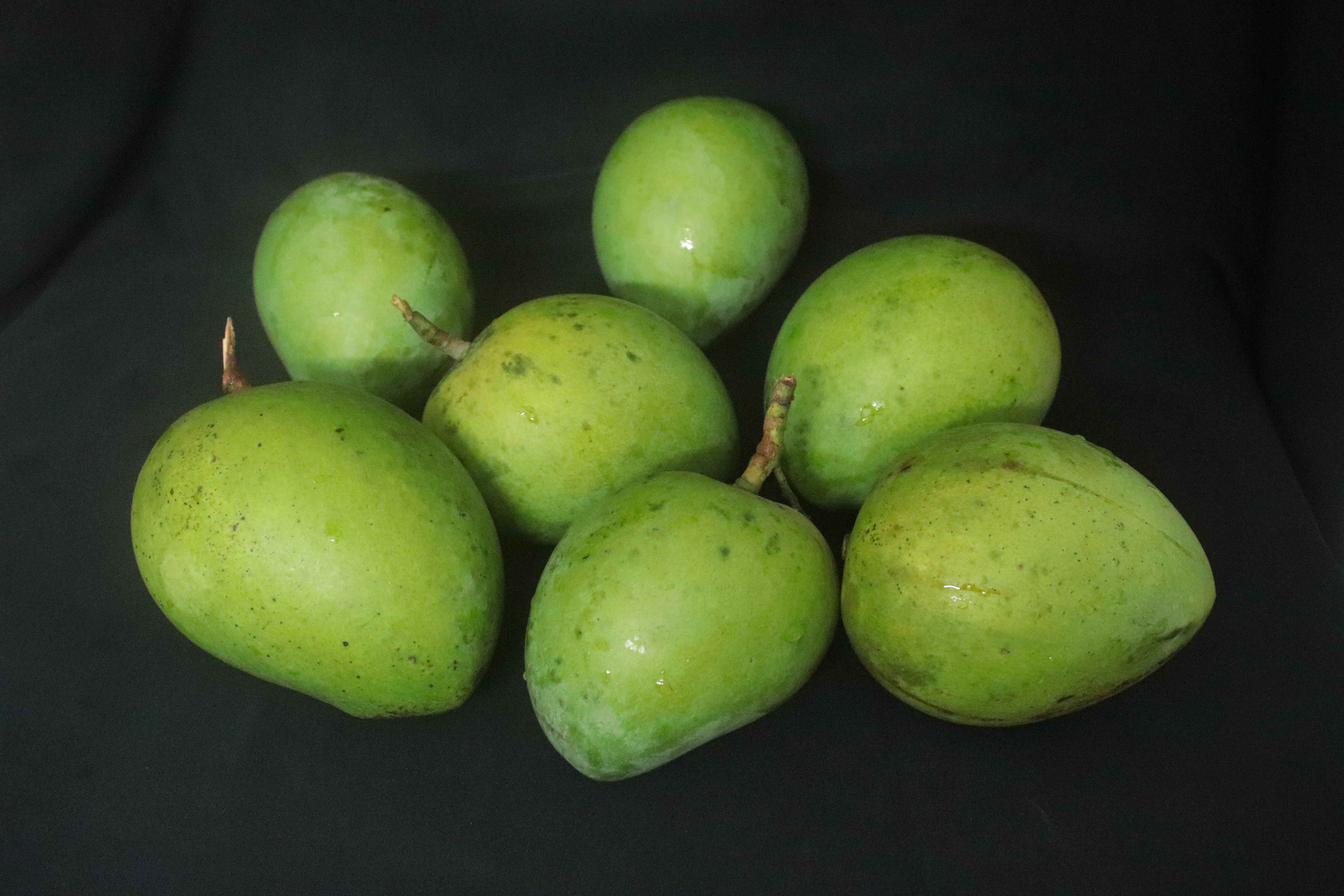
Amrapali is a hybrid mango developed in India in 1971 by crossing the Dasheri and Neelum varieties at the Indian Agricultural Research Institute in Delhi. The tree is dwarf, bears regularly and carries clusters of fairly small fruit with deep orange-red flesh. In Bangladesh the Bangladesh Agricultural Research Institute (BARI) released it in 1996 as BARI Aam-3, a BARI senior scientific officer told The Daily Star, and it has been widely available in markets since 2009-10.
Over the following decade Amrapali overtook the older favourites. The Daily Star reported in July 2023 that one in four mangoes produced in the country was Amrapali: of some 23.5 lakh tonnes of mango produced in fiscal year 2021-22, about 600,000 tonnes were of this variety, according to DAE data. It was being grown in all 64 districts, with Naogaon, Rangamati, Khagrachari and Bandarban the four biggest producers, and some 8,000 of the 16,000 hectares of mango in the hill districts were Amrapali.
Growers favour it because a grafted tree bears from its second year and takes up less space than other varieties, so more trees can be planted on the same land. A BARI scientist told The Daily Star that Amrapali's sweetness, measured as brix, is around 26, the highest among the country's mangoes, and that the fruit does not rot easily, which keeps it on the market longer. It also leads exports: about 80 per cent of the 2,100 tonnes exported by July 2023 were Amrapali, a DAE project director said.
Amrapali is a late variety. In Rajshahi, the district administration's mango calendar for 2026 set 15 June as the first day for picking Amrapali and Fazli, after Guti, Gopalbhog, Laxmanbhog, Ranipasand, Himsagar and Langra, bdnews24.com reported on 16 May 2026. A 2021 Daily Star report said BARI Aam-3 reaches the market from 15 June and stays until mid-August.
Mango in Bangladesh: tree, crop and export
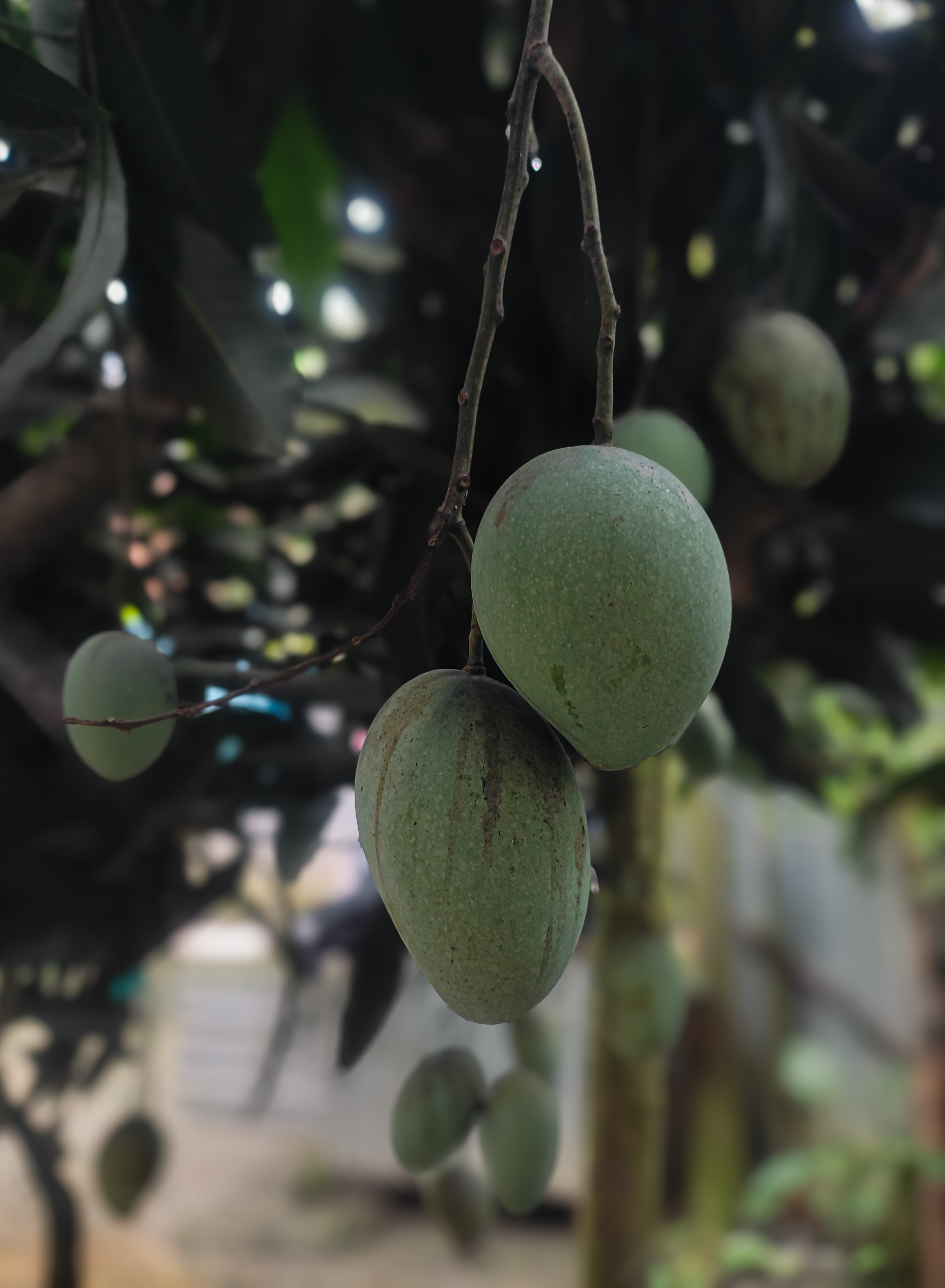
The mango, Mangifera indica, is thought by some authorities to be native to the eastern part of the Indian subcontinent, including present-day Bangladesh, Assam and Myanmar, according to Banglapedia, the national encyclopedia. Its English name comes through Portuguese from the Tamil word for the fruit. In Bangladesh the tree is raised mostly in homesteads, and the country's mangoes fall into two groups: named elite varieties propagated by grafting, and local seedling mangoes known as deshi or guti, whose taste is not assured. Banglapedia counts nearly 100 cultivars in the country.
Grafted trees begin to bear in about their fourth year and remain productive to about the 45th year. The crop depends on the weather: fog, rain or cloud during flowering from January to March reduce fruit set, while storms and especially hailstorms cause young fruit to drop, which is the kind of damage Rangpur's growers reported in 2026.
Mango grows on almost any soil more than a metre deep that is not rocky or heavy clay, with an optimum pH of 5.5 to 7.5; some of the best orchards are on the deep alluvial loams of the Gangetic floodplain, Banglapedia notes. About three dozen insect pests attack the tree in Bangladesh from nursery to maturity, the main ones being mango hoppers, fruit weevils, the stem borer, the shoot borer and the fruit fly, while fungal diseases such as anthracnose, sooty mould, leaf blight, die-back and powdery mildew, and a bacterial leaf spot, cause considerable damage.
Output has grown steadily. The DAE put the 2021 harvest at 25 lakh tonnes from two lakh hectares, against 24.68 lakh tonnes from 1.9 lakh hectares the season before, The Daily Star reported in August 2021. BARI had developed 17 mango varieties by then and Bangladesh Agricultural University 25. For 2026, the director of the DAE's exportable mango production project said total output could exceed 2.7 million tonnes if the weather held, above the previous year's target of 2.66 million tonnes, with mango cultivation under the project covering 204,000 hectares that season; the country had exported a record 2,194 tonnes of mangoes to 29 countries the year before and aimed for 3,000 tonnes in 2026, FreshPlaza reported on 8 May 2026, citing the Daily Sun. In Rajshahi district alone, the DAE set a 2026 production target of 243,995 tonnes from 19,062 hectares.
Benapole: the crossing on the road to Kolkata
Benapole is a town in Sharsha upazila of Jashore district, on the border with West Bengal. Sharsha, an upazila of 336.28 square kilometres, is bounded by West Bengal on the west and partly on the north, and Benapole is one of its unions, according to Banglapedia. The Indian side of the crossing is Petrapole in North 24 Parganas district, about 95 kilometres from Kolkata on what was National Highway 35, so goods and travellers crossing here have the shortest overland route to the West Bengal capital.
Benapole is the site of Bangladesh's largest land port, operated by the Bangladesh Land Port Authority. The Petrapole-Benapole rail link reopened in 2001 after 24 years, and since November 2017 the Bandhan Express has run between Kolkata and Khulna through the two border stations. Mangoes have used this crossing before: the 2021 gift of 2,600 kilograms crossed at Benapole and was received by the Kolkata mission at the port.
Akhaura: the gateway to Agartala
Akhaura is an upazila of Brahmanbaria district in Chattogram division, bounded on the east by the Indian state of Tripura. Banglapedia describes an area of 98.04 square kilometres crossed by the Haura and Titas rivers, with an important railway junction linking Chattogram, Sylhet, Dhaka and Mymensingh. Akhaura thana was formed on 20 June 1976 and became an upazila in 1983. Its people grow mainly paddy, jute, wheat, potato and vegetables, and mango is among its main fruits along with jackfruit, litchi, coconut and guava.
Akhaura Land Port is a major port for trade with northeastern India; the Indian side is known as the Agartala land port. Because Agartala lies just across the border, the crossing is the natural route for Bangladesh's gifts to Tripura. Every Tripura consignment described above, in 2023, 2024 and 2025, went through Akhaura, and in 2026 the 120 cartons for Agartala followed the same route.
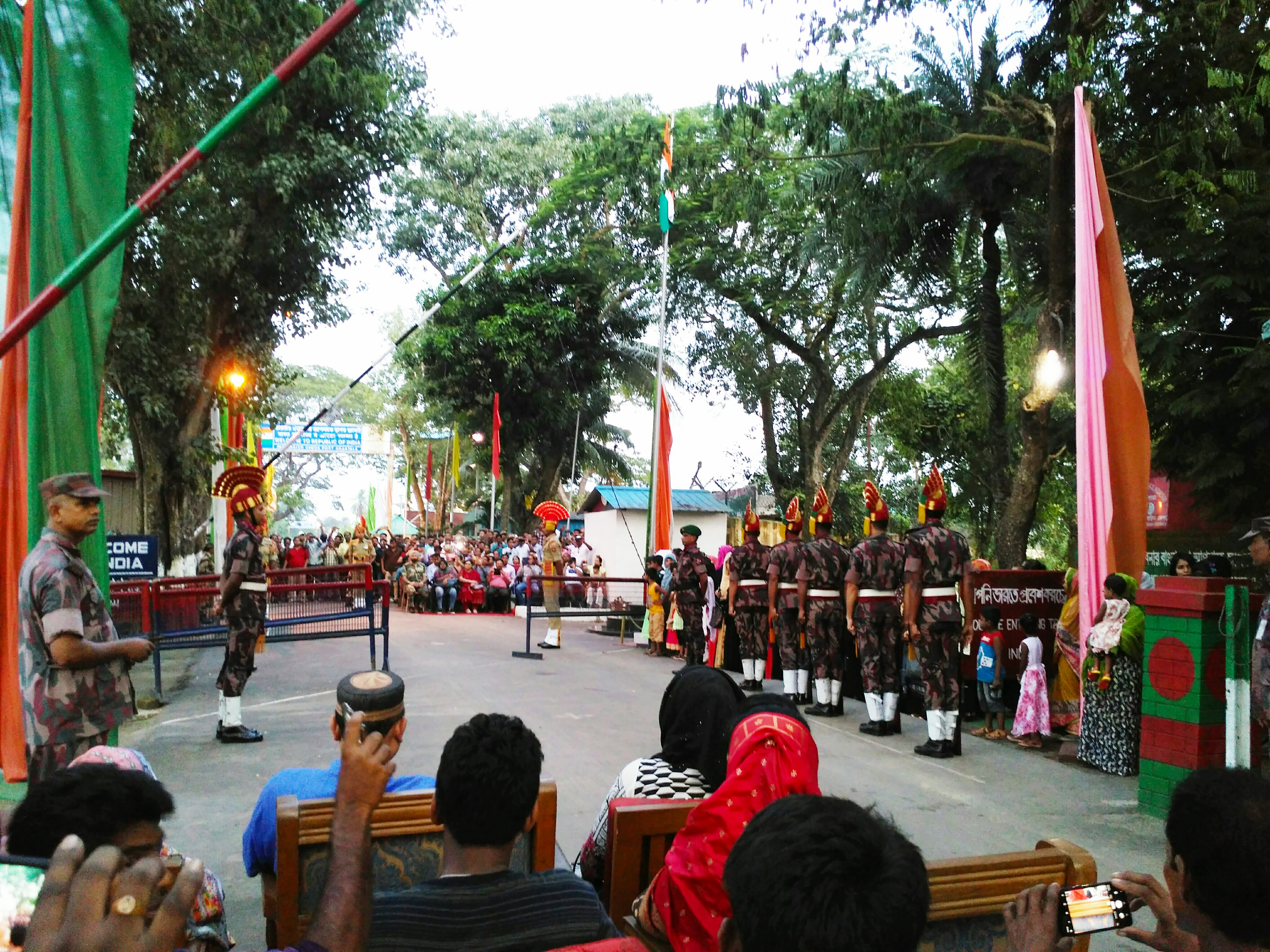
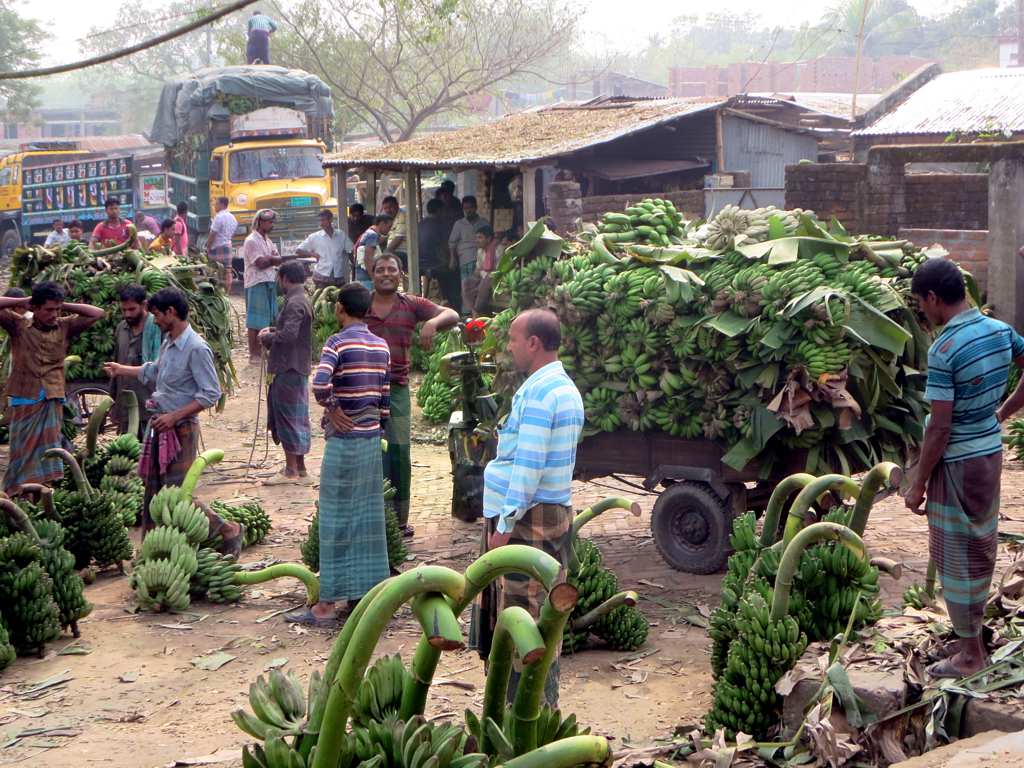
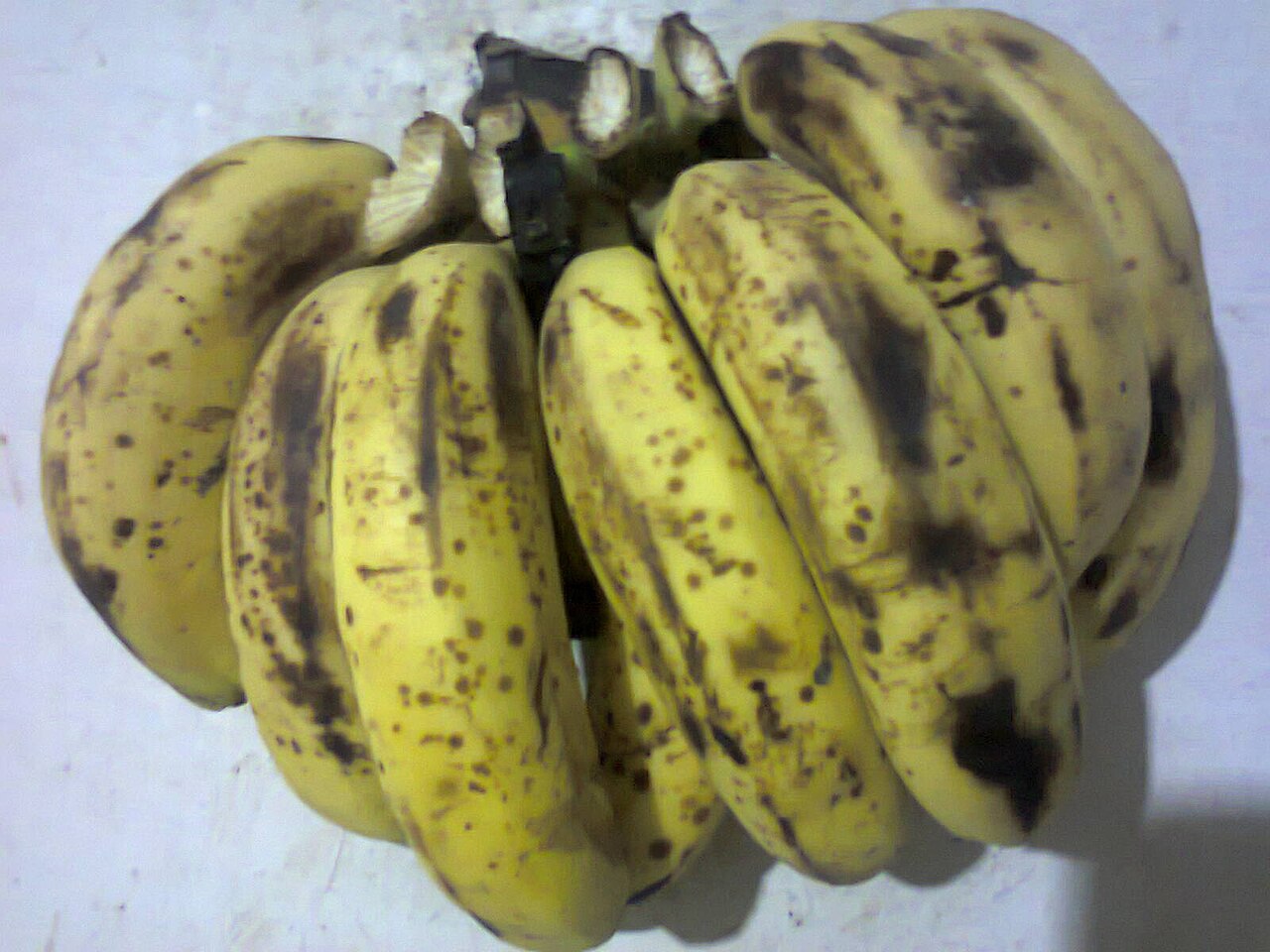
Photo: Nasif05 / Wikimedia Commons (CC BY-SA 4.0). The top picture shows fresh Haribhanga mangoes from Rangpur, as background.
Sources: Jagonews24 (1 July 2026), Dhaka Tribune (1 July 2026; 4 July 2021), The Statesman (9 May 2026), The Business Standard (15 June 2023; 27 June 2024), Deccan Herald / PTI (13 June 2023), EastMojo / PTI (16 June 2023), UNB (13 July 2025), BSS (5 June 2026), The Daily Star (16 August 2021; 21 July 2023; 27 June 2025), bdnews24.com (16 May 2026), FreshPlaza / Daily Sun (8 May 2026), Banglapedia, Wikipedia
Comments
(0)