
In a column in The Daily Star for the International Day of Awareness of Food Loss and Waste (29 September), Umme Salma argues that Bangladesh's food crisis is not one of production but of distribution, management, fairness and rights. The views are the writer's own.
She notes that food grain output rose from 11 million tonnes in 1972-73 to 51.1 million tonnes in 2023-24. Yet according to the joint report of five UN agencies, The State of Food Security and Nutrition in the World 2026, 45.4 million people (26.2 percent of the population) faced moderate to severe food insecurity in 2023-25, and 66 percent of people cannot afford a healthy diet.
Citing the World Bank, the column says about 34 percent of the food produced in the country is lost or wasted. A keynote paper at the 2024 World Food Day seminar of the agriculture ministry and FAO put annual loss and waste of fruit and vegetables at 40.2 percent. UNEP's Food Waste Index 2024 puts household food waste in Bangladesh at 82 kg per person a year.
The writer separates the two terms. Food loss happens before retail, in production, harvest, storage, processing or transport, and stems from missing cold storage, poor transport and disasters; food waste is edible food thrown away by retailers, food services or consumers, and is behavioural. In Bangladesh most loss occurs between field and market: there is too little cold storage for perishable fruit and vegetables, post-harvest methods are outdated, and when prices collapse some farmers destroy their own crops.
Quoting the World Bank's Bangladesh Food Loss and Waste Diagnostic 2025, she writes that growing the food that is later lost or wasted uses about 34,000 square kilometres, some 27 percent of farmland, and that food loss and waste account for 13 percent of the country's greenhouse gas emissions.
Cutting loss and waste, she argues, would improve food security and nutrition, ease pressure on natural resources and emissions, and raise productivity. Sustainable Development Goal target 12.3 calls for halving per-capita retail and consumer waste by 2030, but current figures show the country is far from that goal. She points out that the National Food and Nutrition Security Policy 2020 already calls for timely harvesting, proper storage and other measures in the field.
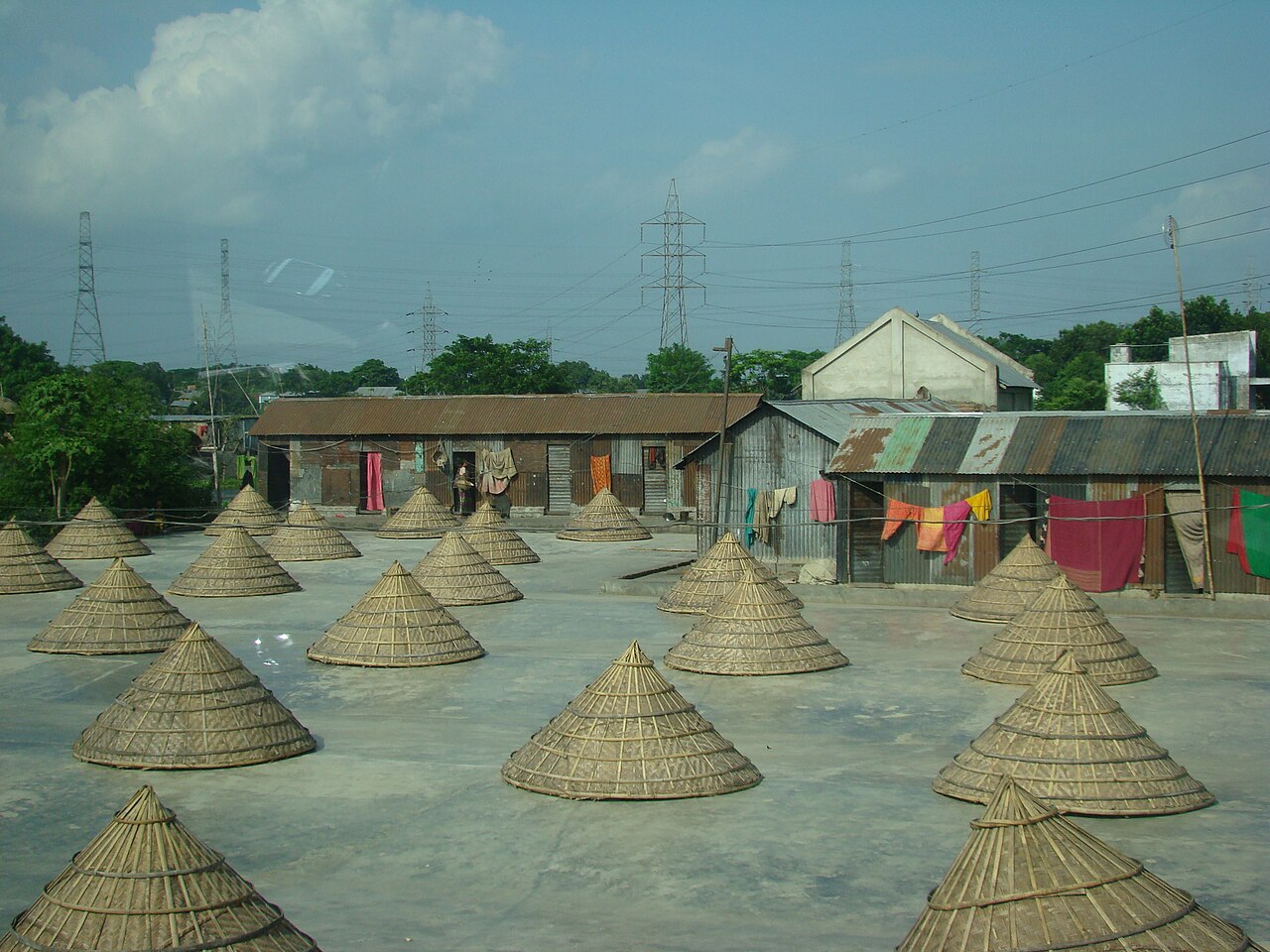
Photo: Shahnoor Habib Munmun / Wikimedia Commons (CC BY 3.0)
Source: The Daily Star


Comments
(0)