

President Md Abdul Hamid urged the people of the country to plant more trees to achieve sustainable development and prosperity. He made the call in a message on Environment Day, 5 June, marking the "National Tree Planting Campaign and Tree Fair 2022". He said ours is a green country surrounded by forests, but because of population growth, the demand for food, fuel, housing and furniture, and urbanisation and industrialisation, forest cover in Bangladesh, as around the world, is steadily shrinking.
The president said that against the backdrop of global climate change, trees are immensely important for conserving the environment, ecology and wildlife, preventing land erosion, reducing desertification, creating carbon stores, tackling natural disasters, the socio-economic development of ordinary people, poverty reduction and, above all, sustainable development. He said tree cover in the country is growing day by day as a result of the government's nationwide afforestation. To make the campaign successful and lasting, he said people should be encouraged to plant timber, fruit and medicinal trees suited to the country's climate and soil.
In fact, 15 July to 30 September is the right time for planting trees, so the country is about to complete another tree-planting calendar. How much of our target have we met?
Forest cover far below the UN target
A list prepared by the Asian Development Bank says Pakistan has the least forest in Asia, only 1.9 per cent of its area, and Bangladesh ranks third. Under the UN target, every country should have forest on 25 per cent of its total area, yet Bangladesh has only 11.2 per cent. About 378,000 acres of forest, nearly 8 per cent of the total, have been cleared in the past 18 years. Experts fear this may put the UN Sustainable Development Goals (SDGs) at risk.
Trees are our greatest friends. Besides oxygen, shade, nutrition and beauty, even a useless tree serves people as fuel, and trees and their fruit are used as raw material in many industries. Despite their limitless importance, the state of our forests is disappointing. The famous Sundarbans are our pride, but they no longer have their old beauty.
The sal and gajari forest of Bhawal is on the way to destruction, and the forests of Madhupur and Sylhet are not in good shape either. Indiscriminate felling in the hill districts is causing constant landslides and river erosion, destroying homes and killing people. Hundreds of thousands of Rohingyas from Myanmar's Rakhine state who took refuge in Bangladesh entered the hill forests and cleared them to build homes, and the amount of timber they cut for fuel and livelihood is beyond imagination. Yet forests play an important role against cyclones and tidal surges.
Temperatures in Bangladesh are reaching 40 degrees Celsius almost every day even in the monsoon. Rising temperatures bring wide changes in climate, and nature responds with disasters. One of the main causes of abnormal climate change is tree felling: as forests are cleared, carbon dioxide in the atmosphere rises and oxygen falls. Excess heat is melting polar ice and raising sea levels, tidal surges are coming and low-lying areas are going under water, and the natural balance is being destroyed.
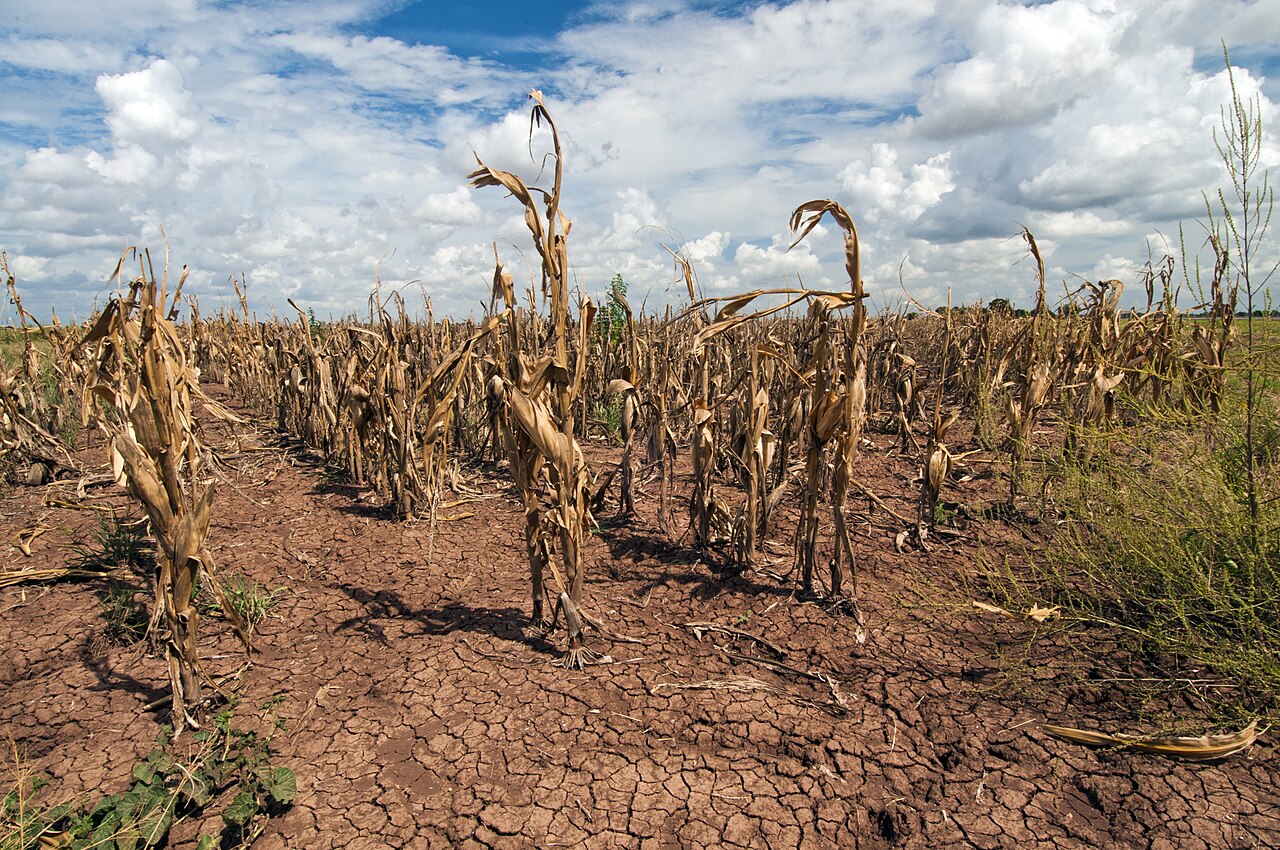
Agriculture has been hit especially hard. Excessive rain, lack of rain, drought, storms and floods are now constant companions. The Sundarbans recently shielded us to a large extent from Cyclone Fani, which shows how important forests are.
177th of 180 countries
Bangladesh is one of the countries furthest behind in protecting the environment. A joint research report by the World Economic Forum (WEF) and Yale and Columbia universities puts Bangladesh 177th of 180 countries in the environmental protection index.
The report, the "Environmental Performance Index (EPI) 2022", paints this grim picture. The research was carried out by Yale and Columbia universities' Center for International Earth Science Information Network with WEF support, and the global index is published every two years. In the 2020 and 2018 lists Bangladesh was 179th of 180; in 2016 it was 173rd of 180; and in 2014 it was 169th of 178.
The EPI is built on 10 issues: air quality, water supply and sanitation, harmful heavy metals, biodiversity and habitat, forestry, fisheries, climate and energy, air pollution, water resources and agriculture. The scores in each are averaged to rank countries. Bangladesh's overall score this time is 23.10.
Plant native trees, and unite for the environment
The government's biggest step to increase forest cover is the "Sustainable Forests and Livelihoods (SUFAL)" project, which runs until 2023. How much of it are we seeing towards the end of 2022? No government initiative will succeed unless each of us feels the need for trees and plants them for our own sake and the greater good of the nation. Rather than planting foreign trees purely for business, people should be encouraged to plant native mango, jam, jackfruit and lychee trees that carry our heritage. Amid foreign trees, not only are native fruit trees being lost, but the environment is suffering and biodiversity faces a serious threat. Zoologists and wildlife experts believe foreign trees are harmful to human health too.
If trees disappear we will not get the oxygen we need to breathe, and people will die without it; we should plant more trees if only because of that hard truth. During the coronavirus period we saw how vital oxygen is and how helpless its shortage makes us. All sectors of the country are on the path of development, and the more advanced technology we use, the more trees we must plant for the environment, because without balance the environment will be destroyed.
Environmental awareness has grown, but so has the rate of destruction. People are more interested in natural beauty than before, but they harm the environment in pursuing it. Ratargul's environment, for example, was good until recently but is being damaged by tourism. One group of people is uniting to protect the environment while another harms it while enjoying its beauty; they need to come together, because both love the environment. That would make it easier to meet the challenges facing the environmental movement.
A government is needed to run the country, political parties are needed for government, and programmes and movements go on every day to keep parties alive. There is debate because each party pursues its own goals, but there is no debate over protecting the environment, and it seems it was discussed less this year. Everyone's collective role is essential. Should all parties not have taken up a joint tree-planting programme on Environment Day?
At least by taking a joint initiative to protect the environment, prove that you are united in the country's interest. If the environmental balance is not maintained, the country will face natural disaster. So be aware, strengthen the movement to protect the environment: protecting the environment is an expression of patriotism.
The writer is a journalist.
Source: Jagonews24. First published in Bengali on The Agro News.
Comments
(0)