
By Dr Forkan Ali
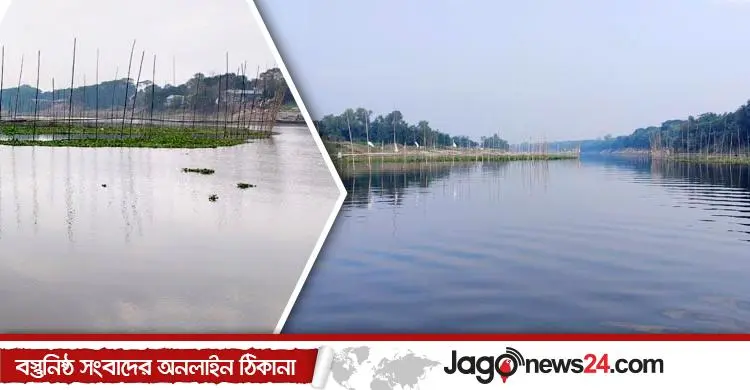
People's relationship with rivers is eternal. Livelihoods and the progress of civilisation have grown up on riverbanks: the Indus Valley civilisation on the Indus, Egyptian civilisation on the Nile, German civilisation on the Rhine, and Russian civilisation on the Don and Danube, as the writer puts it. Almost all of Bangladesh's towns, cities and trading centres grew up on rivers too. The capital Dhaka stands on the Buriganga, Narayanganj on the Shitalakshya, Chattogram on the Karnaphuli and Mymensingh on the Old Brahmaputra. Bangladesh is bound to its rivers by an umbilical cord.
Riverine Bangladesh has 230 large and small rivers (700 rivers and tributaries), five of them international, and 57 crossing two countries. These rivers have a huge influence on people's lives and play an immense role in the country's life and economic development. In areas without roads and railways, rivers are the only means of communication and transport. But human behaviour and nature have become a threat to them, and most of the country's 230 rivers (700 rivers and tributaries) are now dead or half-dead. Half a century ago the country had twice as many rivers as today, which shows how essential it is to listen to the rivers now.
Bangladesh's rivers are our pride. Its rivers and tributaries form a vast river system with a total length of about 24,140 kilometres. No policy is followed in naming them: much the same river, tributary or branch is called by different names in different areas. The rivers of the south in particular split into so many branches that it is not always possible to identify each by a separate name. Despite these difficulties, a region-by-region list follows.
Rivers region by region
One region has 25 rivers, among them Dudhkumar, Raidak, Dharla, Teesta, Swati, Burikhora-Chiki, Kharbhaja, Ghaghat, Jamuneshwari, Akhir Kharkharia, Basmai, Deonai, Chiki, Nilkumar, Bharola, Gadadhar, Sonkosh, Noadihing, Disang, Dikhu, Kalang, Kapili, Titas-Giri and Brahmaputra.
Dinajpur has 18: Pathraj, Talma, Punarbhaba, Chepa, Tangon, Dahuk, Ghoramara, Jamuna, Koram, Atrai, Kulika, Baral, Garbheshwari, Jamuneshwari, Jaldhaka, Torsa, Kalyani and Raidak.
Rajshahi has 10: Fakirani-Baranai, Shib-Baranai, Mahananda, Pagla, Musakhan, Ganga, Baranai, Hoja, Godari and Gumani.
Another region has 8: Gur, Bogura-Ichhamati, Baral, Hurasagar, Durgadah, Sukhdah, Bogura (Iusiam) and Talan.
Bogura has 7: Karatoya, Kathakali, Bangali, Tulsi Ganga, Chhoto Jamuna, Nasar and Badal.
The Dhaka region has 18, among them Bangshi, Turag, Tongi Khal, Buriganga, Dhaleshwari, Kaliganga, Gazikhal, Banar, Balu, Lakhya, Louhajang, Fuldi, Bhubaneshwari, Kirtinasha or Sripur, Shitalakshya, Ichhamati, Malik Bader Khal, Gajahatar Khal and Ilshamari.
Another region has 37, among them Jhenai, Aimon, Sutia, Old Brahmaputra, Gharota, Simahali, Narasundar, Bothai, Nitari, Someshwari, Kangsha, Gunai, Kachamatia, Pankura, Saidul, Mogra, Rangra, Kharmori, Mahadeo, Jadukata, Dhanu, Boalai, Shirkhali, Chellakhali, Matichik, Chalhi, Bangshai, Manas, Putia, Jinjiram, Subanfiri, Baleshwar, Bhogai, Kangsa, Kaulai, Dhanu, Silai and Kharmeni.
Sylhet has 36, among them Surma, Piyain, Sari, Goyain, Bagra Gang, Nawa Gang, Sheola, Dhamalia, Monai Bardal, Juri, Manu, Dhalai, Langla, Karangi, Khowai, Sutang, Kushiyara, Madhabpur, Mahasing, Khajanchi, Bhattakhal, Kalni, Jamalpur, Baraba, Labha, Hari, Bogapani, Dhariyana, Dhoai, Jadukata, Dhala-Dhalai Gang, Gopla-Langla, Mogai-Chalti, Rakti, Painda, Bhera, Mohona and Dhanu-Boulai.
Another region has 44, among them Titas, Gomti, Dhanagoda, Dakatia, Dapla Gangi, Haora, Kathalia, Sonai, Tatnul, Buri, Kuliajhuri, Batakandi, Maricha, Arshi, Gopi, Marjora, Ghungat, Kherunadi, Baijani, Pagli, Shirai, Chandina Khal, Kakri, Malda, Anderson Khal, Matlab, Udnandi or Udmadhi, Kagni, Harimangal, Kurulia, Jaydindo, Sonaimuri, Handachera, Jangalia, Durduria, Buriganga or Bijoyganga, Kaladumuria, Burigang, Bijoypur Khal, Chauddagram Khal, Nalia, Bijli and Ghungur.
Another region has 19: Madhukhali, Rahmatkhali Khal, Muhuri, Chhoto Feni, Silonia, Feni, Bhulua, Hatia, Atiabari Khal, Kalir Kal, Patkata Khal, Kathakali Khal, Baparashi Khal, Goalkhali Khal, Atra Khal, Hura Khal, Gahojatali Khal, Halda and Ichhamati.
Another has 30, among them Halda, Karnaphuli, Sangu, Matamuhuri, Bakkhali, Satal Khal, Ichhamati, Muhuri, Kablong, Rakhiang, Satta, Shilpa, Tuibang, Koka, Shrima, Boalkhali, Magdai, Dongkhal, Narayangiri, Chiringa, Ichhakhali, Kursai, Singur Ganga Kaptai, Rigari Khing, Chandkhali, Kumirakhali, Chengi and Maini.
Kushtia has 4: Mathabhanga, Gorai, Jalangi and Magar Khali.
Another region has 28: Upper Bhairab, Lower Bhairab, Chitra, Begbati, Nabaganga, Chandana, Kapotakkha, Barasia, Kholpetua, Elenkhali, Pangubi, Koba, Kaliganga, Kathipata, Daratanar Khal, Marichhop, Chandkhoni, Pangani, Naingatra Samudra, Bara Panga, Kumar, Bara Gangdiadah, Amla Madarpur, Dakoa, Mara Gorai, Barasia, Palang and Atrai.
Greater Faridpur has 6: Madhumati, Kumar, Arial Khan, Kirtinasha, the Atai river and the Madaripur Beel Route.
The Khulna region has 71: Bhadra, Atharobanki, Alaipur Khal, Kholpetua, Shibsa, Rupsha, Baleshwar, Gasiakhali, Pasur, Arpangasia, Panganiya, Oratama, Ichhamati, Namud Samudra, Sonagang, Bhangra, Kunga, Malancha, Satkhira, Sutakhali, Raimangal, Marjat, Harinbhanga, Galangi, Haripur, Sonaipur, Budhhatar Gang, Dhaki, Galghemia, Ujirpur, Katakhal, Guchiakhali, Badurgachha, Deluti, Manas, Koyra, Arowashibsa, Kalindi, Majudkhali Khal, Akrar Khal, Mongla, Sola, Payra, Andranmukho, Muhuri, Modla, Hariabhanga, Gangubi, Kacha, Pakashia, Moiyar Gang, Kabipata, Jhank, Shialir Khal, Narayankhali, Kadamtali, Bangra, Shila, Kalagachhia, Bashtali, Salkhi, Shakbaria, Alki, Manikdia, Chandeshwar, Pankushi, Baleshwar, Balmarjar or Manjal, Kagibag and Rampal.
Another region has 57: Bishkhali, Swarupkathi or Sandhya, Babuganj, Hemda, Lohalia, Shahbazpur, Nayabhanga, Rajganj, Ganeshpur, Dubaldia, Torki or Turki, Kirtankhola, Dharmaganj, Jhilinha, Mankutha, Multani, Karkhoma, Algi, Dhulia, Gangalia, Burishwar, Kaliganga, Haringhata, Patua, Tentulia, Dhalia, Nilashi, Nabaganga, Bhola, Pakashia, Chandana or Pangsha, Jabnasabad, Baleshwar, Shashmanghat, Moiyargang, Naya Bhangni, Gournadi, Kalabadar, Mirgamari, Kacha or Kocha, Lata, Ilisha or Ilsha, Kabakhali, Madhumati, Andharmanik, Rabnabad or Patua, Bura Gauranga, Bakerganj, Amtala, Dhansiri, Sugandha, Jhalokathi, Chalna, Elenkhali, Nalbiti, Kharborabad and Galachipa.
One region is surrounded by 177 rivers, among them Baleshwar, Sumati, Chhaprakhali, Bara Sheola, Harin China, Sharankhola, Ambare, Chandeshwar, Kapa, Kalida Sathka, Jato, Mara Pasur, Dangmari, Bile, Chhutorkhali, Chalobogi, Haramahal, Beri-Ada, Bakir Khal, Ar-Shibsa, Hadda, Mohishe, Chhachhon Hogla, Majjat, Shakbare Singa, Golkhali, Kukumari, Kalagachhi, Domorkhali, Hangsarag, Kaga, Nilkamal, Khejurdana, Sejikhali, Baintala, Bangabali, Dobeki, Firingi, Mando, Keorasuti, Bando, Dhakola, Lataberi, Bhetuipara, Baluijhanki, Kalikabari, Bekardon, Andharmanik, Jhale, Patkoshta, Base, Golbhoksa, Dhanibune, Harikhali, Munsar Ber, Pushpakati, Gangasagar, Kali Lai, Bogi Chenchane, Kurekhali, Bhuyer Done, Katheshwar, Sonarupakali, Dudhmukh, Lathikara, Terkati, Dhanghara, Arbase, Dakshinchara, Sapkhali, Kadamtali, Burer Dabur, Lakshmipasur, Manki, Ashashuni, Taltakta, Dhwajikhali, Mandaptala, Netokhali, Bhayela, Baganbari, Jharabagna, Bagaura, Bakrakhali, Chailtabari, Singartali, Mathabhanga, Narayantali, Koikhali, Mathura, Khasitana, Agunjwala, Fuljhuri, Malabaga, Khamurdana, Ubde, Gubde, Sonaipanthi, Dhonair Gang, Kanaikathi, Marichjhanpi, Netai Talpanthi, Dhanapati, Ragkhali, Mukta Bangal, Arijakhali, Dulor Tek, Jingili, Bibir Made, Tekakhali, Deur Jande, Chamta Kamta, Kunche Mathe, Byayla Koyla, Madar Bare, Boyar Nala, Hanke, Dhancher Nadi, Mulye Meghna, Bailo, Betmuri, Burigoli, Chunkuri, Mayadi, Fulbari, Taltali, Angra Kana, Garar Nadi, Badamtali, Bhuter Gang, Baikuntha Hana, Karpuro, Chhaya Holri, Arbhanga, Talakpanthi, Khejure Kudule, Chhoto Sheola, Kanchikata, Dair Gang, Baikiri, Jalghata, Ilishmari, Jhalki, Satnala, Makurni, Helar Ber, Kalinde, Shakbhate, Gonda, Pala, Terbenki, Talbare, Her Matla, Bhurbhure Chhadankhali, Fatker Done, Bharkunde, Kedakhali, Naobeki, Kalser Bali, Panir Khal, Kultali, Barabare, Mukule, Madhukhali, Pashkati, Gochhba, Ghat Harano, Gabandara, Loker Chhipi, Bahar Nadi, Bara Matla, Payra Thuni, Kalbeyara, Dhukuni and Parshe Mari.
Grabbed and polluted
Alongside land and chars, rivers too are grabbed in Bangladesh. Dhaka grew up on the banks of the Buriganga, which still had six branches in 1608; today all of them have been swallowed by grabbers. According to newspaper reports, 244 land grabbers have occupied 50 acres of the Buriganga. The Karnaphuli, Surma, Kirtankhola, Karatoya, Rupsha and 70 other large and small rivers beside towns have been encroached on. The reports say 2 lakh land grabbers occupy large parts of the country's rivers, and the country is on the verge of becoming a riverless desert. The present government is continuing its river recovery drives and has already had some success.
Rivers are not only grabbed but polluted; most of the country's rivers are affected. Large amounts of chemical fertiliser are applied to farmland and wash into rivers with rain and floodwater. One statistic shows 26 lakh tonnes of chemical fertiliser were used in fiscal 1980–81 alone; the figure now exceeds 30 lakh tonnes. According to statistics, 60 per cent of the country's people do not use sanitary latrines, and the final destination of this huge population's waste is the rivers. Launches, steamers and engine boats release large amounts of oil into the water, while unplanned sewerage and waste from industrial units and tanneries along the banks pollute river water.
Rural rivers are gradually heading the same way. The Department of Environment tested water at 38 points on 17 rivers and found it polluted and unfit for use. Pollution is depleting 16–20 elements in the water, including oxygen, hydrogen, carbon, nickel and silicon, which are vital for aquatic plants and animals. Without them, many species of fish and aquatic plants have disappeared from the rivers.
To keep the economy of riverine Bangladesh alive, river problems must be solved over the long term. The lives, livelihoods and progress of most of the country's people depend on rivers, so we must listen to them, speak for them and give them a chance to speak, and let their turbulent youth return. Now is the time to speak out against the illegal grabbers of the country's rivers. Let us all raise our voices and come forward to rescue them.
The writer is a researcher and former principal.
Source: Jagonews24. First published in Bengali on The Agro News.
Comments
(0)