
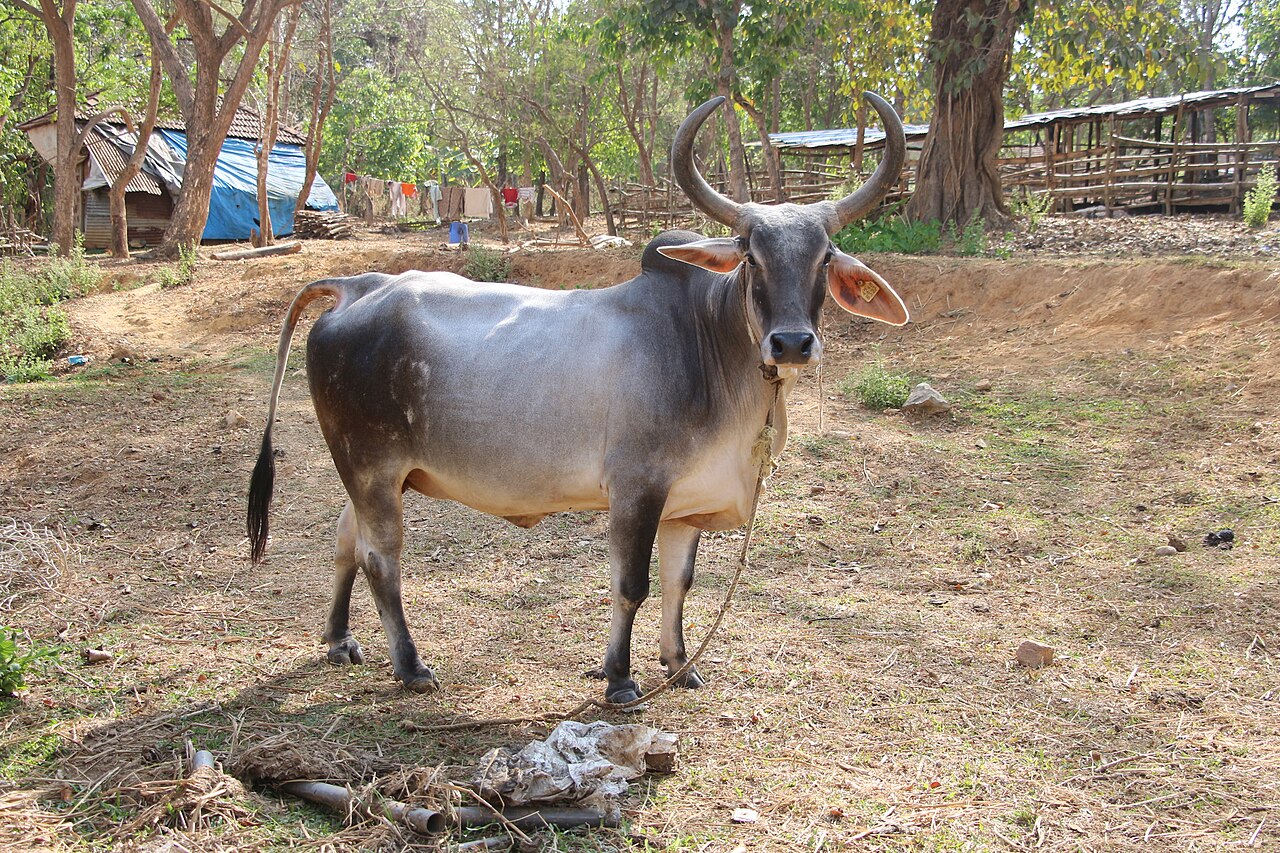
Prime Minister Narendra Modi on Friday opened the Bharat Bovine Breeding and Research Centre (BBBRC) at Bhildi in Gujarat's Banaskantha district, a Rs 325-crore facility meant to improve indigenous cattle and buffalo breeds and raise milk yields.
The centre covers 127 acres. It was set up by Banas Dairy with technical support from the National Dairy Development Board (NDDB) and assistance under the central government's Rashtriya Gokul Mission.
It will use in-vitro fertilisation (IVF) and embryo transfer to improve the genetics of the herds it serves, with a target of 25,000 embryos a year. The programme covers the Kankrej, Gir, Sahiwal and Tharparkar cattle breeds and the Mehsani, Banni, Jaffrabadi and Murrah buffalo breeds.
The aim is to let dairy farmers get more milk from fewer animals, which matters as the cost of keeping livestock rises and fodder becomes harder to find. The centre will also offer quality semen, embryos and other breeding services to livestock owners at affordable rates.
Modi toured the facility with Gujarat Chief Minister Bhupendra Patel and Shankar Chaudhary, chairman of Banas Dairy and Speaker of the Gujarat Assembly.
Rural Voice, which reported the opening, said the project is expected to strengthen scientific breeding and the development of indigenous breeds, and to improve the income prospects of households that depend on dairy.
Photo: Pavanaja / Wikimedia Commons (CC BY-SA 3.0)
Source: Rural Voice
Comments
(0)