
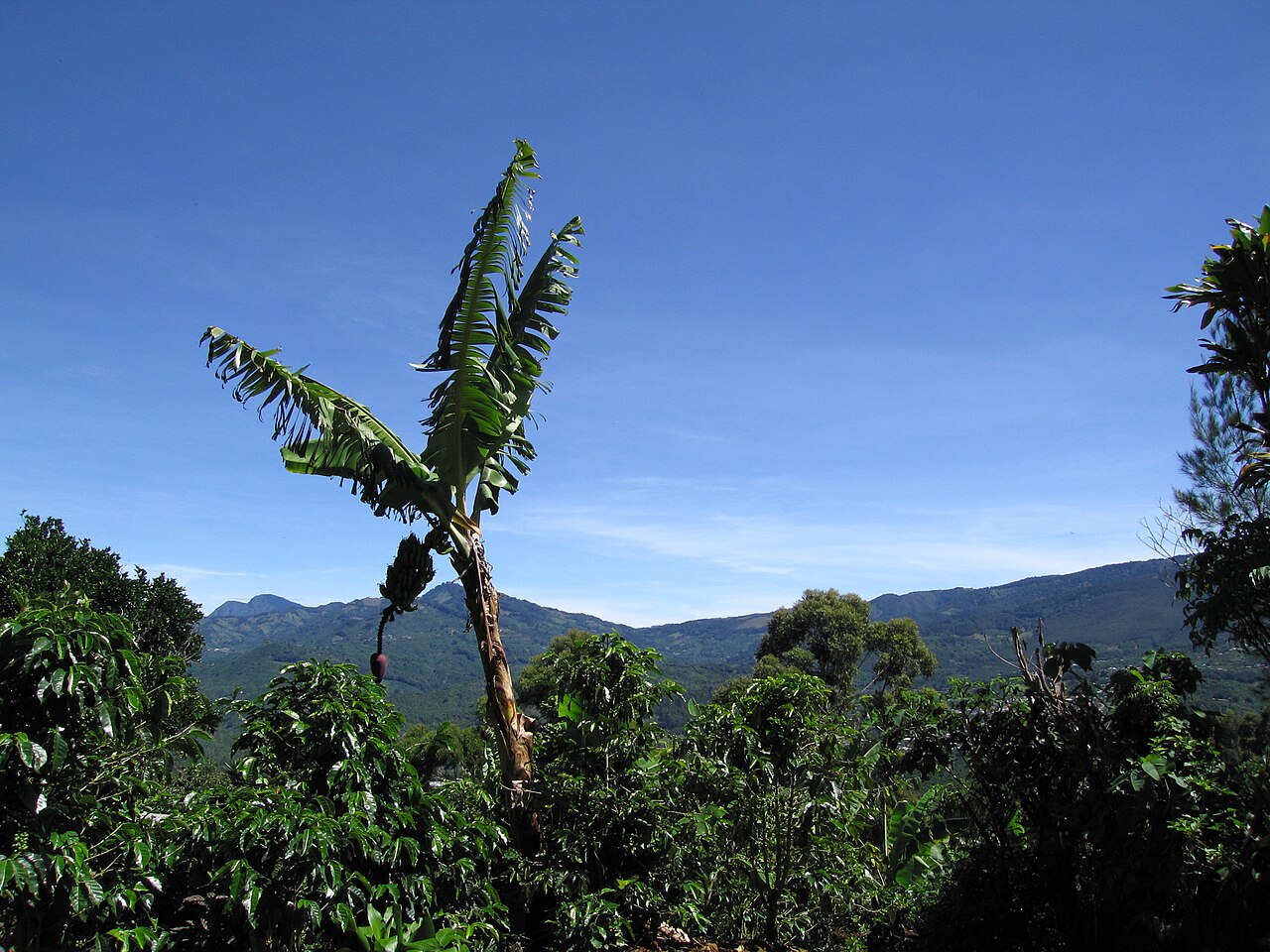
Banana is one of Bangladesh's most familiar fruits and is grown almost everywhere in the country throughout the year. In late May 2025 a column in Jagonews24 by agriculture and environment specialist Samiran Biswas reminded farmers that the right fertiliser and water in the first days after planting decide a banana plant's roots, growth and eventual yield. The banana guidance of the government's Agriculture Information Service (AIS) likewise puts much of the fertiliser into the pit and into the first months after planting.
Land, varieties and planting seasons
According to AIS, fertile loam on high land where water does not stand suits bananas best. The land is ploughed deep and pits about two feet deep are dug two metres apart. Bananas can be planted in three seasons a year: Ashwin-Kartik, Magh-Falgun and Chaitra-Baishakh. Sword suckers, with narrow, pointed leaves, make the best planting material. Popular varieties include Amrita Sagar, Champa, Chini Champa, Sabri, BARI Kola-1 and BARI Kola-4.
Banglapedia lists Rangamati, Barisal, Rangpur, Dinajpur, Noakhali, Faridpur and Khulna as the main banana-growing areas. A banana plant fruits once and then dies or is cut down, and new plants grow from the suckers that sprout from its rhizome.
Fertiliser in the pit and as top dressing
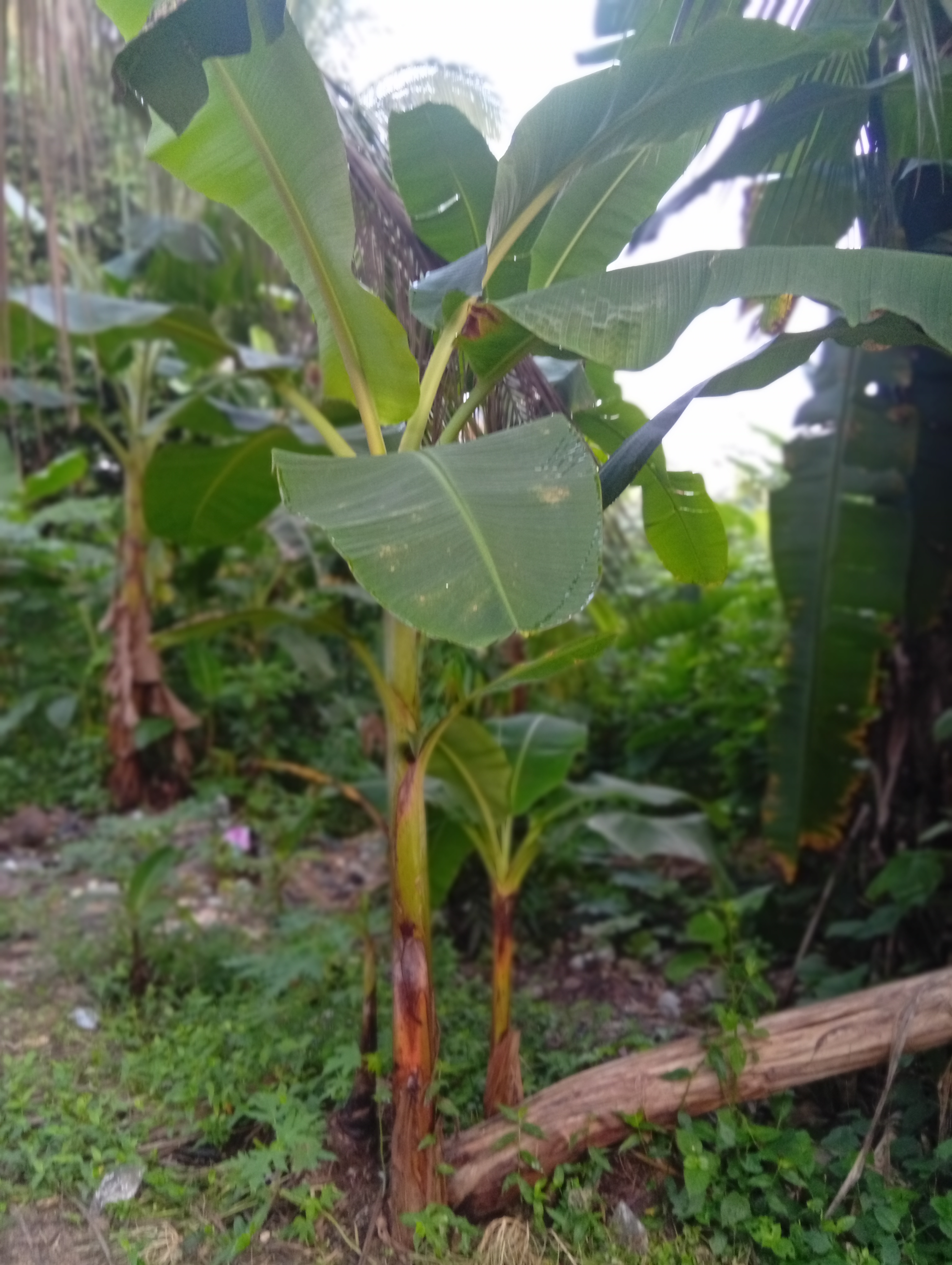
The AIS guidance gives the total fertiliser per pit and splits it into instalments:
- Total per pit: 20 kg of cow dung, 400 g of TSP, 300 g of MoP and 650 g of urea.
- Half of the cow dung goes in at land preparation and the other half into the pit, together with half of the TSP.
- One and a half to two months after planting, 25 per cent of the urea, 50 per cent of the MoP and the rest of the TSP are spread and dug well into the soil.
- Two to two and a half months later, each plant gets another 50 per cent of the urea and the remaining 50 per cent of the MoP.
- At flowering, the last 25 per cent of the urea is spread and mixed into the soil.
In other words, this schedule gives no urea at planting; the first urea goes in one and a half to two months later. The banana guide of Tamil Nadu Agricultural University in India also splits nitrogen and potash into several doses and advises irrigating the field well after every fertiliser application.
Irrigation, drainage and care
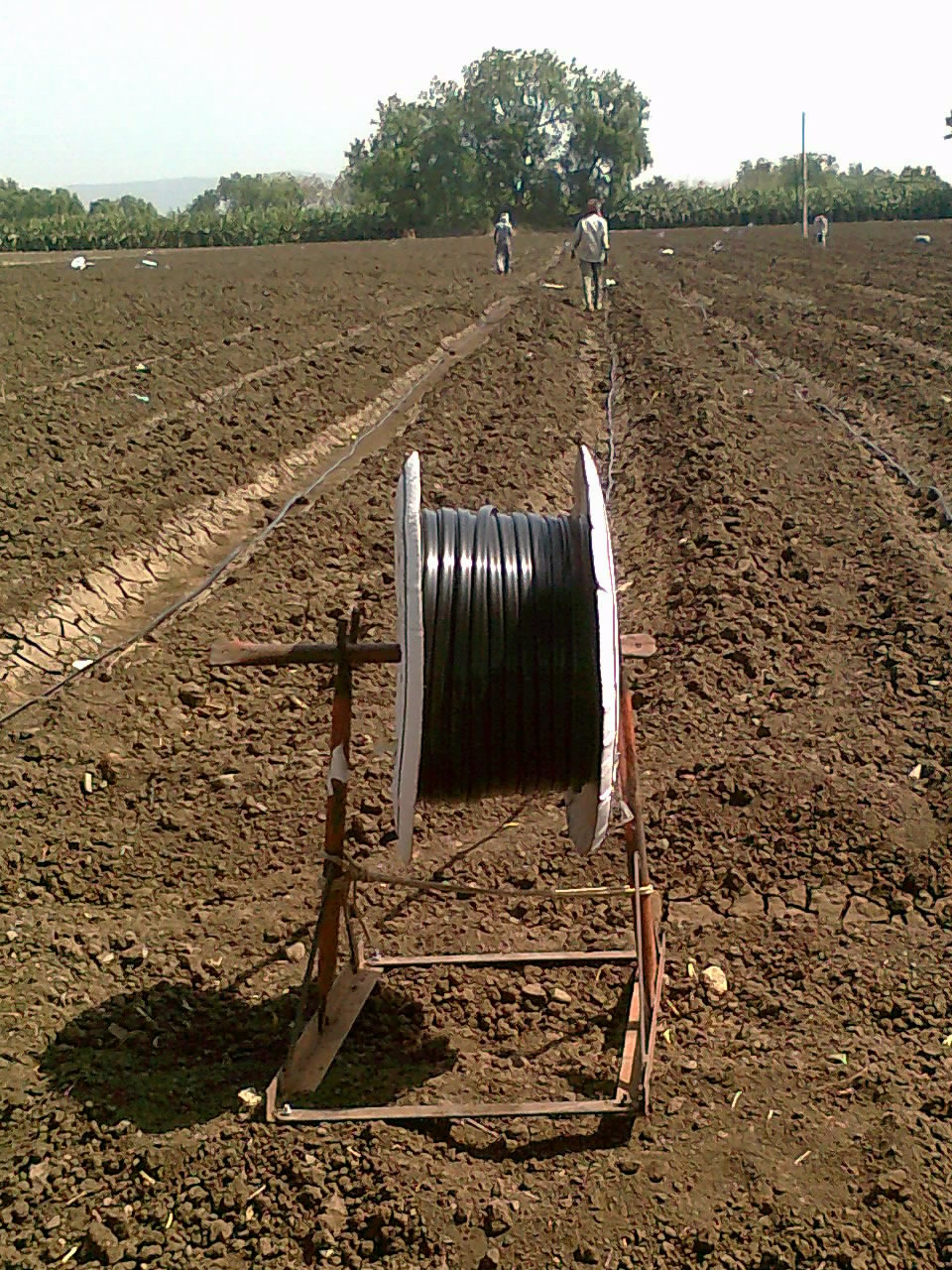
The Tamil Nadu guide says to irrigate immediately after planting. AIS advises irrigation when the soil lacks moisture after planting and every 15 to 20 days in the dry season. Water demand rises as the plant grows: the university's drip schedule allows 4 litres per plant per day in the first four weeks and 20 litres or more during shooting and bunch development.
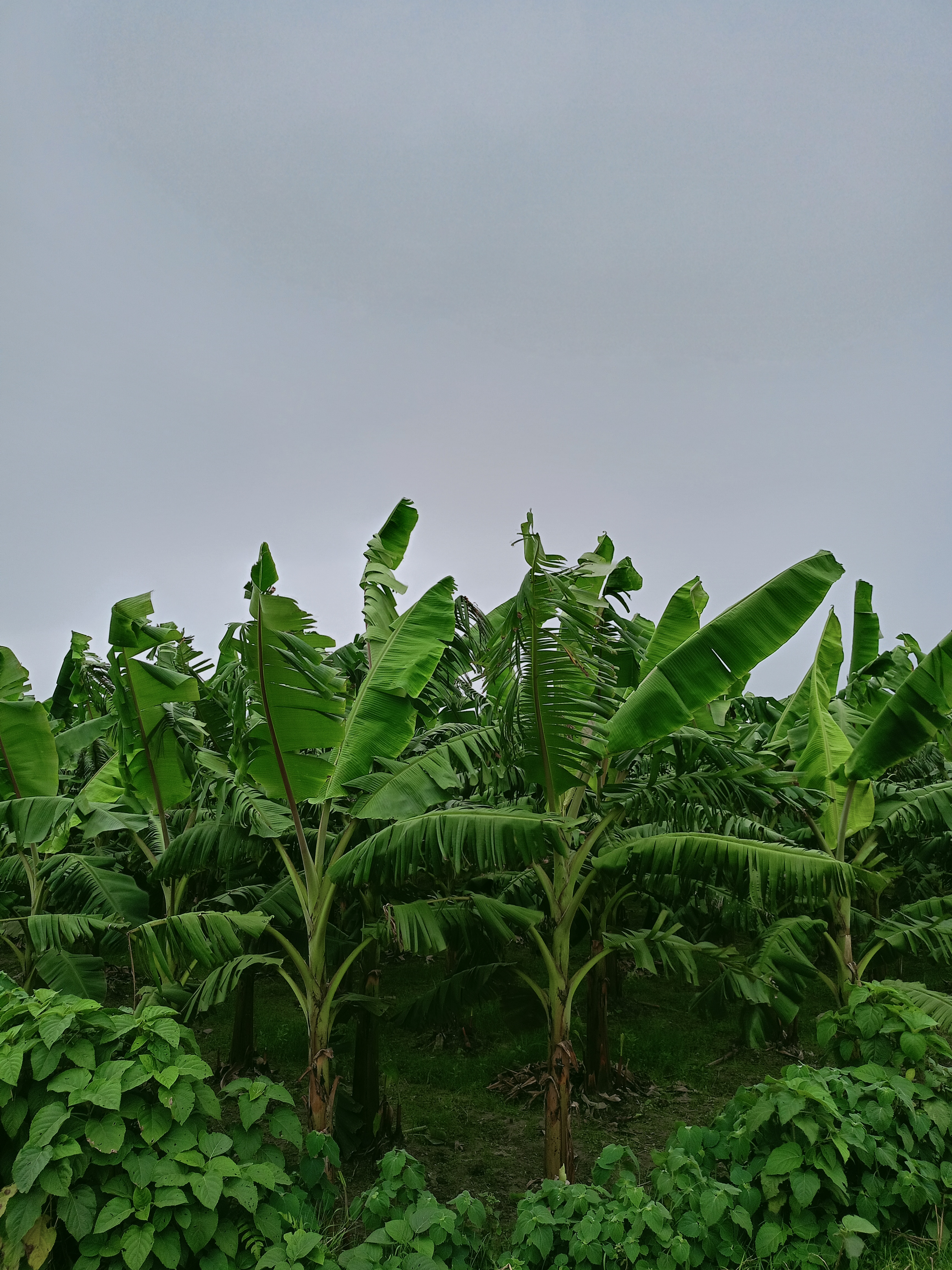
Banana plants cannot tolerate waterlogging, so well-drained loam should be chosen and the garden watched in the monsoon so that water does not stand. AIS also advises keeping the base of the plants and the drains free of weeds, and leaving no suckers at the base until the flower bud appears.
Disease and harvest
Banglapedia describes Panama disease, caused by a soil-borne fungus, as widespread and devastating in Bangladesh. AIS says it first turns the edges of older leaves yellow, after which the leaves break near the stalk and hang down; infected plants should be pulled out with their base and their suckers never used for planting. According to AIS, bananas are ready to harvest 11 to 15 months after planting.
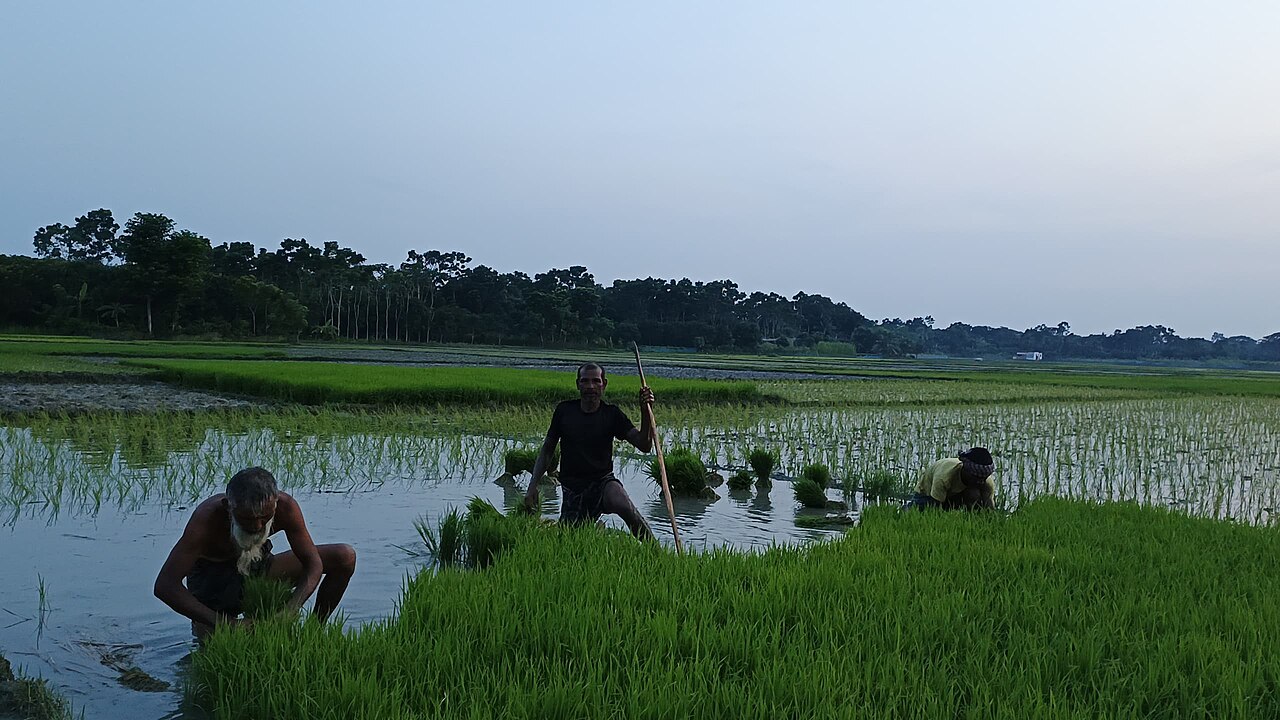
Photo: The Roving Rokibul / Wikimedia Commons (CC BY-SA 4.0)
Sources: Jagonews24, Agriculture Information Service (AIS), Banglapedia, Tamil Nadu Agricultural University (TNAU Agritech portal)
Comments
(0)