
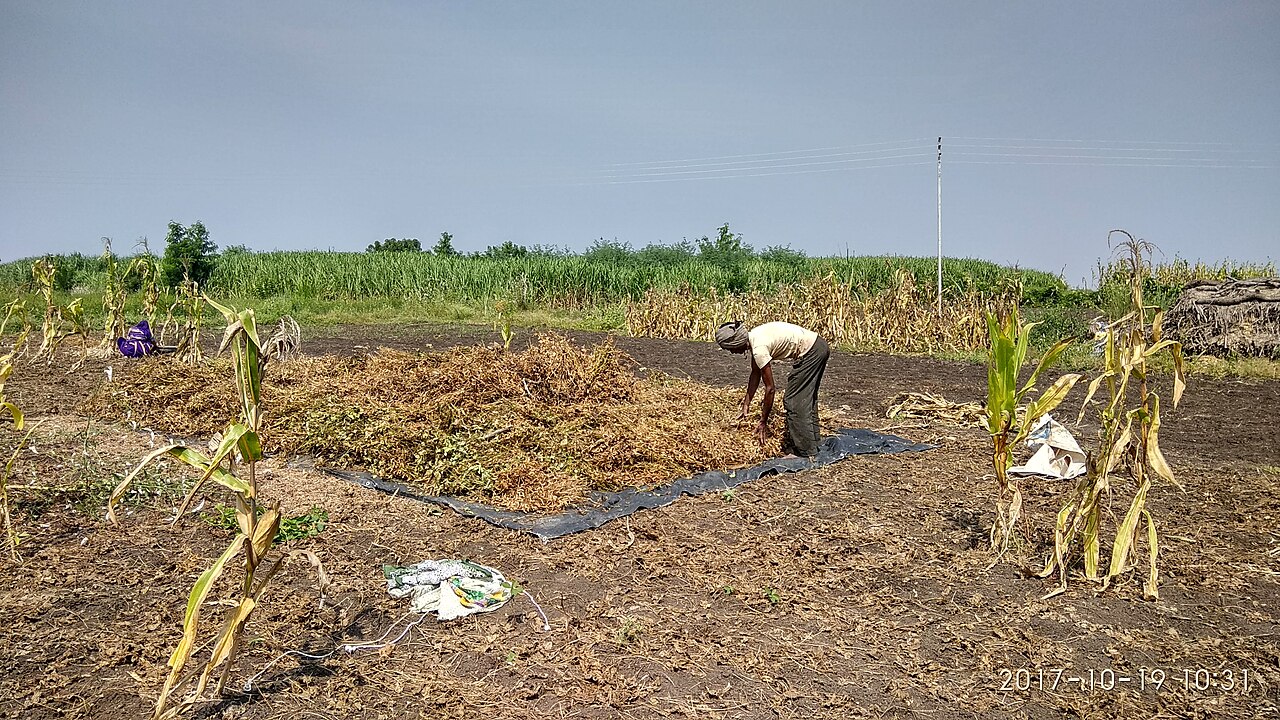
Shamim Hasan lives in Karapara village in Bagerhat Sadar. He took charge of his family at the age of 24, and borrowed money to start shrimp farming to pay off his father's debts and meet household costs. But luck was not on his side.
He first stocked his gher (farm enclosure) with bagda (tiger shrimp) fry, but they died of a deadly virus before they were ready to harvest. April, May and June are the season for stocking golda (freshwater prawn) post-larvae, yet with the season almost over he has not been able to stock any. He has gone to the depots several times and come back empty-handed. If he cannot stock in time, he will face a loss at the end of the year.
"I have no land of my own. I mortgaged land for Tk 40,000 to start shrimp farming, and preparing the gher cost another Tk 20,000, all borrowed money," he said on the morning of Tuesday, 16 June, sitting on the bank of his gher. "If I cannot stock post-larvae now, I will lose money at the end of the year. I don't know whether to repay the loan or cover the loss, and I am also worried about how the family will get by."
Hatcheries meet 8% of demand
According to the fisheries office, Bagerhat district has 54,848 fish ghers with a demand for 98.6 crore post-larvae. Four hatcheries are currently producing post-larvae, meeting 8 per cent of total demand.
Dipak Chowdhury, a fish farmer in Moubhog, Fakirhat, said post-larvae used to cost Tk 1,500 to Tk 1,700; this year they cost Tk 3,000 to Tk 3,300, and even at that price there are not enough at the depots. "I have been able to stock only 4,000 in my 10-bigha gher. If I cannot stock more, I will lose more than a lakh of taka."
Shrimp farmer Ahad Sheikh said he has stocked only 37,000 post-larvae in his 40-bigha gher, against a need for 150,000. "Even with money, I cannot get them. Everyone in the south depends on shrimp farming. If we cannot stock the gher, there is no point in having one."
Ban on wild and Indian fry
He said the crisis arose because catching post-larvae in rivers is banned. "The government has banned catching from rivers without arranging an alternative. Hatchery post-larvae are not good quality to begin with, and they cover only 8 to 10 per cent of demand. If this is not solved, shrimp farmers will suffer losses."
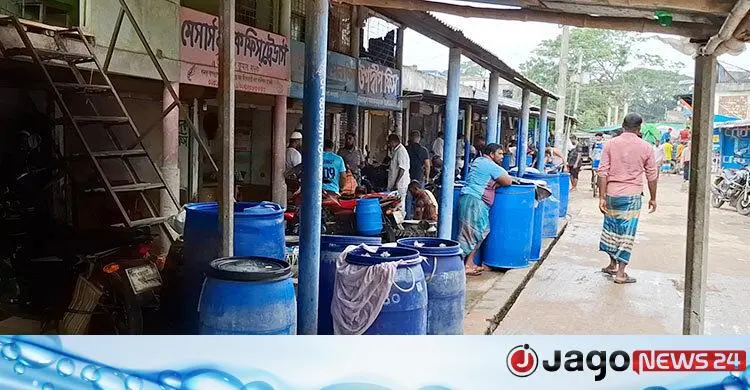
Post-larvae trader Salam Sheikh said most people in the south depend on shrimp farming, and Fakirhat has around 60 post-larvae depots where farmers come every day and leave empty-handed. Hatchery supply covers only 8 to 10 per cent of demand, so traders had to rely on post-larvae caught in rivers and the sea in Chattogram, Noakhali, Cumilla, Bhola and Patuakhali and on fry from India. The government's ban on buying and selling wild-caught and Indian post-larvae has created the crisis, he said.
Raj Kumar Biswas, Bagerhat district fisheries officer (acting), said the office is monitoring strictly since the government banned collecting and selling post-larvae from rivers. Post-larvae brought illegally from abroad could introduce new diseases into golda farming, he said. Several hatcheries with large production capacity are being set up in Khulna, and once they meet their targets there will be no shortage.
Source: Jagonews24. First published in Bengali on The Agro News.
Comments
(0)