
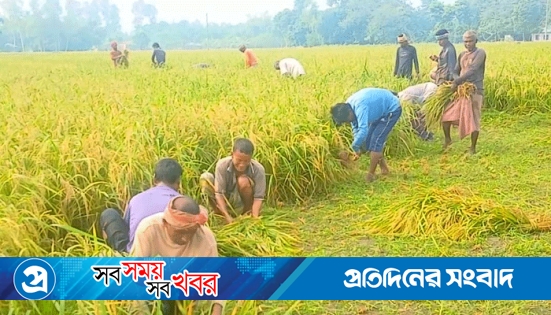
The Boro season begins after the Aman season ends. Transplanting starts in the Bengali month of Kartik (October-November) and harvesting runs into Baishakh. Boro is the most productive rice season, and there is no denying that the country's food security has been built on it: 58 per cent of total production comes from this season. With proper management the average Boro yield can be raised by 1.5 to 2.0 tonnes per hectare, which could play a huge part in national output. Preparations for managing the coming Boro season must begin now.
What causes BPB
Bacterial panicle blight (BPB) is caused by a bacterium called Burkholderia glumae. The disease is also known as bacterial grain rot. The bacterium releases a yellow-pigmented poison, toxoflavin, which spreads the disease. Humidity above 80 per cent, very dense planting and excessive use of urea fertiliser also increase outbreaks.
Symptoms
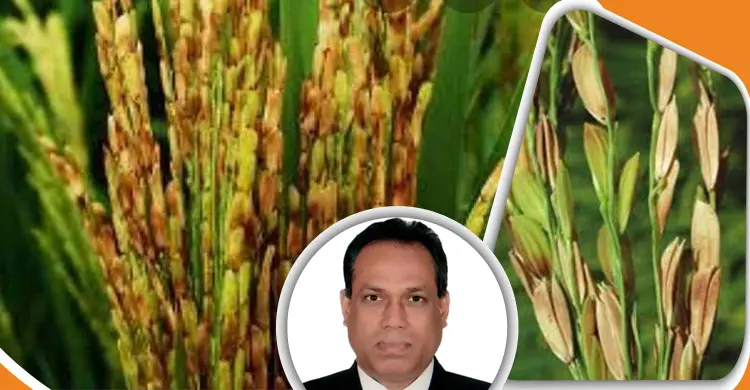
Symptoms of BPB appear without any prior warning. The small grains on the panicle fail to fill properly and become empty, though not all grains on a panicle are affected. Infected grains turn grey, black or pink. Because the empty grains carry no weight, the panicles stay upright. The lower part of an infected panicle stays green. Sometimes symptoms resembling sheath rot or seedling blight may appear. The disease may show up on one or more plants in round or oval patches in different parts of the field.
How it spreads
The bacteria live on the leaves and sheaths of the rice plant and can survive in unfavourable conditions. As the plant grows, the bacteria move upwards, attacking the panicle as soon as it emerges. They destroy the pollen, so the grains become empty.
BPB spreads mostly in hot, dry weather. Daytime temperatures above 32 degrees Celsius and night temperatures above 25 degrees Celsius are suitable for its spread. Climate change and excessive nitrogen use also speed up the disease.
BPB is a seed-borne disease. If seedlings are raised from infected seed, there is no practical way to control it.
Integrated pest management
- Follow modern cultivation methods, such as treating seed before sowing.
- Dry the seed in strong sun for 5-6 days before sowing.
- Treat seed with oxolinic acid; such a pesticide is not available on the market in Bangladesh.
- Grow resistant varieties; Japan has already developed nine resistant varieties and the United States six.
- Transplant seedlings following the correct rules.
- Apply fertiliser and irrigation following the correct rules.
- Apply enough potash fertiliser, which helps resist the disease.
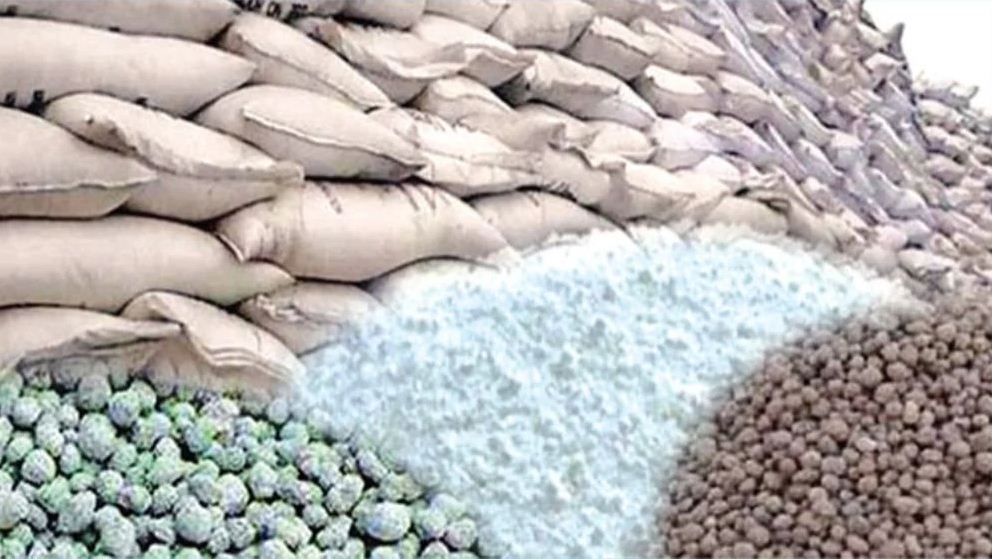
- Do not use excessive urea.
- As soon as symptoms appear, spray 60 g of potash fertiliser, 60 g of sulphur and 20 g of zinc in 10 litres of water, two or three times at five-day intervals.
Chemical control
- The disease can be controlled with pesticides such as Carbendazim-Agben and Dichloran-Aniline, which are available on the market.
- Spray a bactericide at the approved dose.
The writer is a lead agriculturist in Dhaka.
Source: Jagonews24. First published in Bengali on The Agro News.

Comments
(0)