
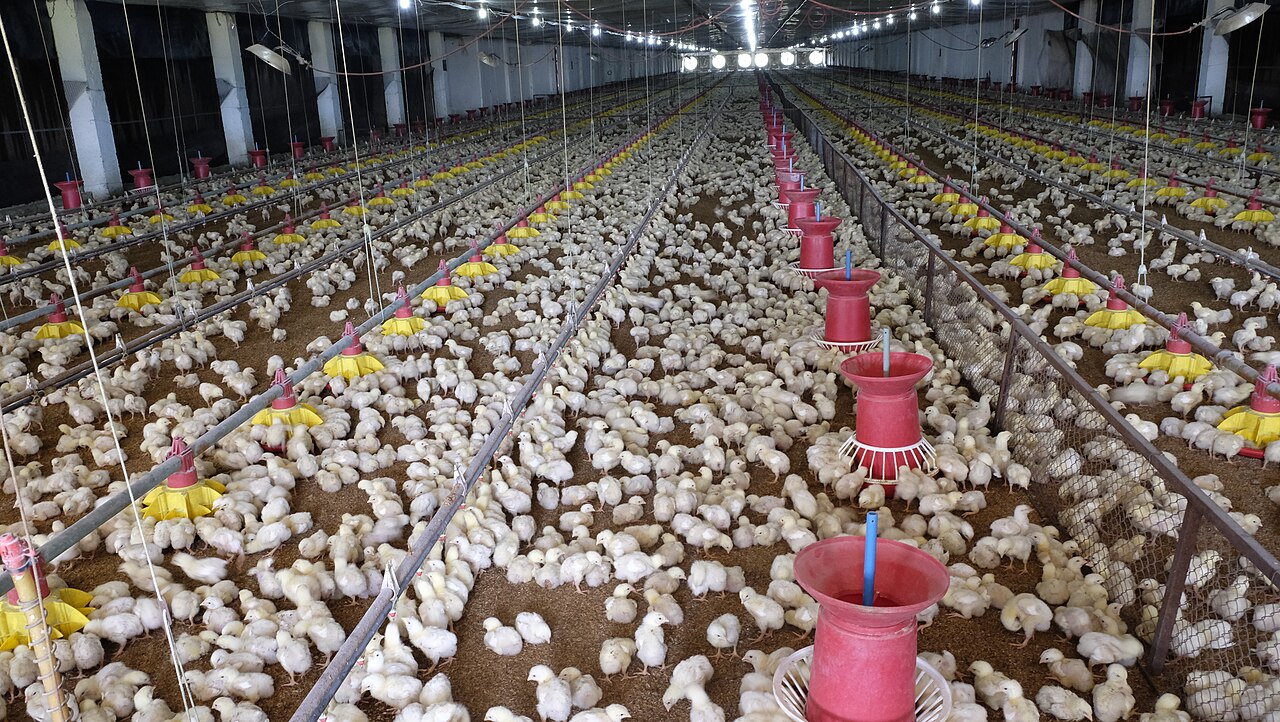
Brazil shipped about 312,000 tonnes of poultry meat to the European Union in the first nine months of 2026, around 34% more than the 233,000 tonnes recorded for the whole of 2025, according to the EU poultry association AVEC. European Commission figures show EU poultry imports from Brazil rose 44% year on year in the first half of 2026.
AVEC is asking the Commission to postpone any vote on restoring Brazil's authorisation to export poultry to the EU unless member states receive additional, independently verified guarantees that Brazil complies with EU rules on antimicrobial use. The Commission has put an update of its list of authorised exporting countries on the agenda for a possible vote on 16-17 November.
Brazil sent 43,500 tonnes of chicken meat to the EU in September alone. Consignments whose health certificates were issued before the 3 September deadline could still be shipped legally, but AVEC questioned why so much was brought forward. It said the meat meets EU food safety requirements and poses no danger to consumers, but does not comply with the new EU antimicrobial rules.
The Commission's audit concluded that Brazil's control system can provide the required guarantees. AVEC disputes this and wants evidence that controls work in practice over the birds' whole lives, particularly feed sampling, checks at hatcheries and the separation of EU-bound birds from other production.
The association also wants origin labelling, EU or non-EU, for poultry in processed food and catering, where consumers often cannot tell where the chicken came from. It asks that tariff quota management be brought back under EU control, that the EU-Mercosur safeguard mechanism be used for poultry, and that no poultry concessions be given to Thailand while traceability and certification shortcomings found by the Commission remain.
AVEC will publish a competitiveness study on 30 November. It said post-slaughter costs in Brazil, Thailand, Ukraine, Argentina and the US were 28% to 44% below the EU benchmark in 2024, against 14% to 26% in 2017, and it counted 52 EU legislative instruments with possible cost effects along the poultry chain. Policymakers, it said, should stop adding obligations for European producers and first enforce identical standards on third-country suppliers.
Photo: Ibgroup2018 / Wikimedia Commons (CC BY-SA 4.0)
Source: The Poultry Site


Comments
(0)