
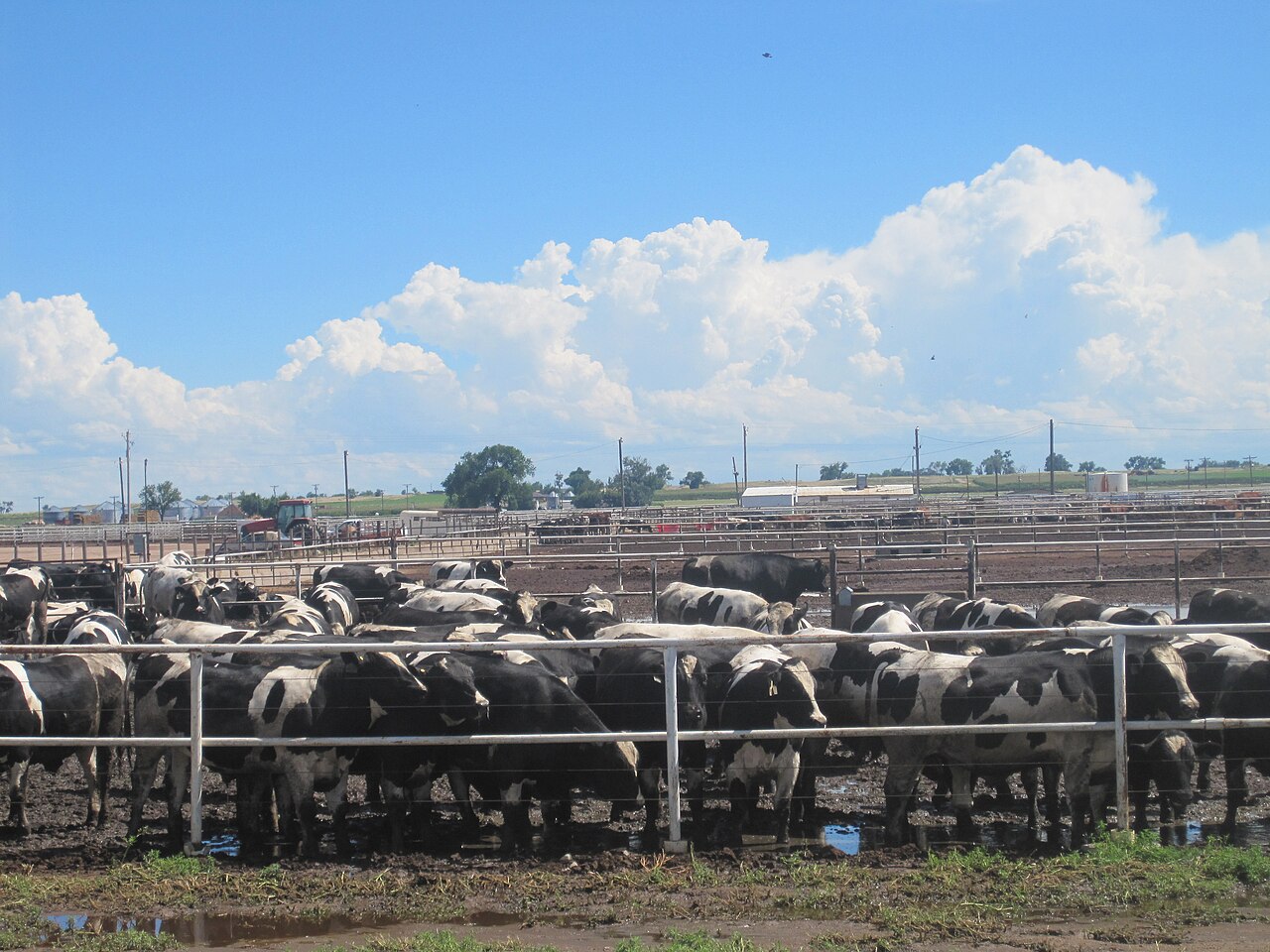
The head of Australia's egg industry body has urged cattle lotfeeders to take the public into their confidence before they spend heavily on covered housing, telling last week's BeefEx conference how eggs turned around a losing battle over their reputation, Beef Central's Jon Condon reports.
Rowan McMonnies, managing director of Australian Eggs, said that ten or fifteen years ago the egg industry was fighting activists and public criticism over caged production loudly and in the press, and making things worse. It then reset its approach around sustainability and began a national survey every year, published unedited, whose priorities feed a cycle of research and public engagement. Community trust in egg production rose from 56 percent nine years ago to 60 and 64 percent, and has sat around 68 to 69 percent for five or six years.
He applied the lesson to covered housing for feedlot cattle, which he said research shows significantly improves welfare but comes with more intensive stocking and large investment in sheds. By his understanding about 5 percent of the grainfed beef industry now has covered housing, and with an investment life of perhaps 30 years, a turn in public opinion could wash a great deal of capital away.
His advice came in three parts: take risks and engage genuinely rather than produce content lotfeeders like; aim at the broad middle of public opinion rather than fringe activist groups; and get on the front foot, explaining the reasons, the dilemma and the trade-offs before the issue arrives. "You only get one chance to frame an issue," he said.
To be heard, he said, the industry must be relevant, and nutrition is the natural bridge because Australians love steak and need protein, and media interest in health is strong. Engagement also has to be relentless, kept fresh over years rather than done once.
McMonnies put odds on it: a combative or silent industry might get by with a one-in-three chance, ignoring the issue is a coin toss, while a well-run engagement programme gives about a 75 percent chance of keeping public support for the life of the investment.
Photo: Billy Hathorn / Wikimedia Commons (CC BY-SA 3.0)
Source: Beef Central
Comments
(0)