
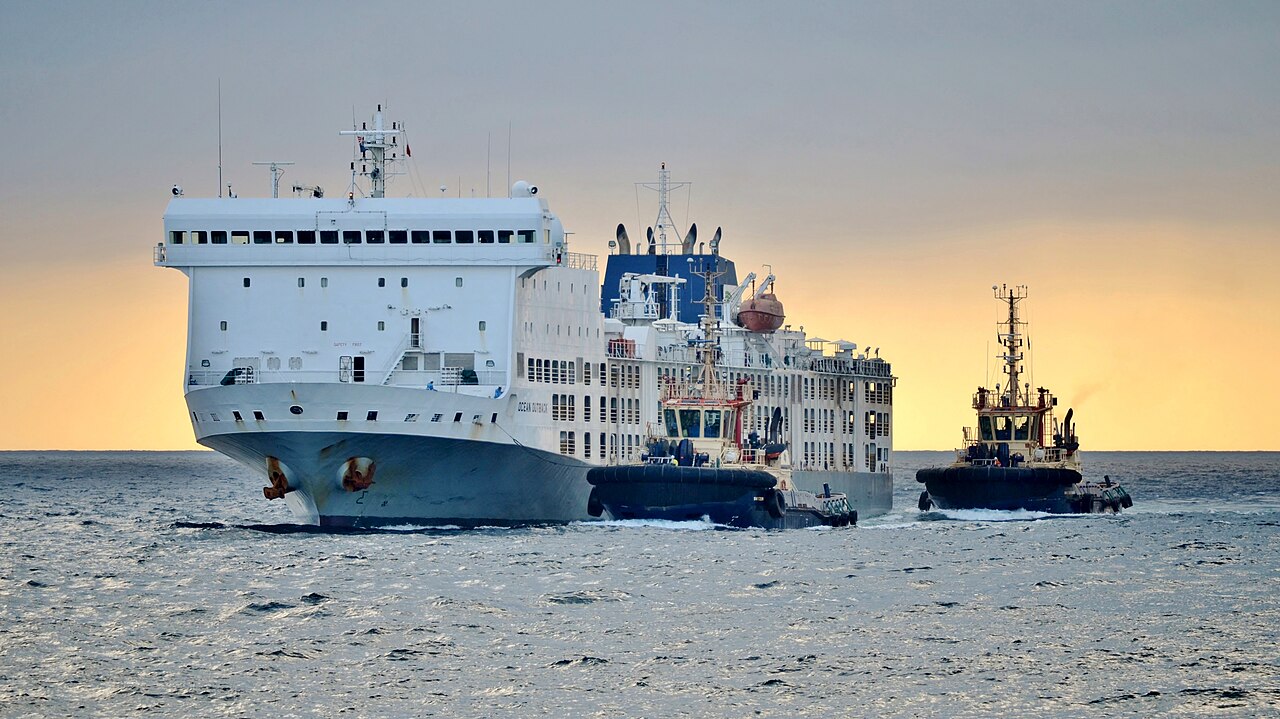
The US beef herd is at 70-year lows, feeder cattle from Mexico have been shut out for months by screwworm, and US feedlots are struggling to find cattle at almost any price — yet politics rules out importing Australian cattle, a leading North American cattle feeder told Australia's BeefEx 2026 conference on the Gold Coast, Beef Central reports.
The idea is not new: about 30 years ago Paul Engler of Cactus Feeders in Texas floated importing Australian feeder cattle during a drought-driven US shortage, and was shot down by heavy opposition. Last week Australian deal-maker and Wagyu producer David Williams revived it in a Wall Street Journal opinion piece, proposing an "American Herd Rebuilding Program" that would import Australian breeding females, embryos and sexed semen. "You can't slaughter cattle you don't have," he wrote.
Kee Jim, a veterinarian whose Blackshirt Feeders manages 750,000 head through 16 facilities in the US and Canada, said the shortage is a North American problem. If feeder cattle are available from countries with appropriate animal-health standards, there should be no reason not to import them, he said — "and the answer is, Australia can meet those standards", having shown it can ship breeding cattle at scale.
But Canada has banned livestock imports by sea on welfare grounds, and in the US "the authorities are saying there is no import protocol, and basically, there never will be", Jim said — a political response, not a scientific one. Importing breeding heifers instead would probably not be more palatable. "If we were allowed to import Australian breeder or feeder cattle into North America, it would be happening right now."
With the Australian dollar well below the US dollar, US feeders are worth 1.5 to 1.6 times those in Australia before exchange, he said, so buyers could pay sea freight and still find the trade very attractive.
The report was written by Jon Condon for Beef Central.
Photo: Bahnfrend / Wikimedia Commons (CC BY-SA 4.0)
Source: Beef Central

Comments
(0)