
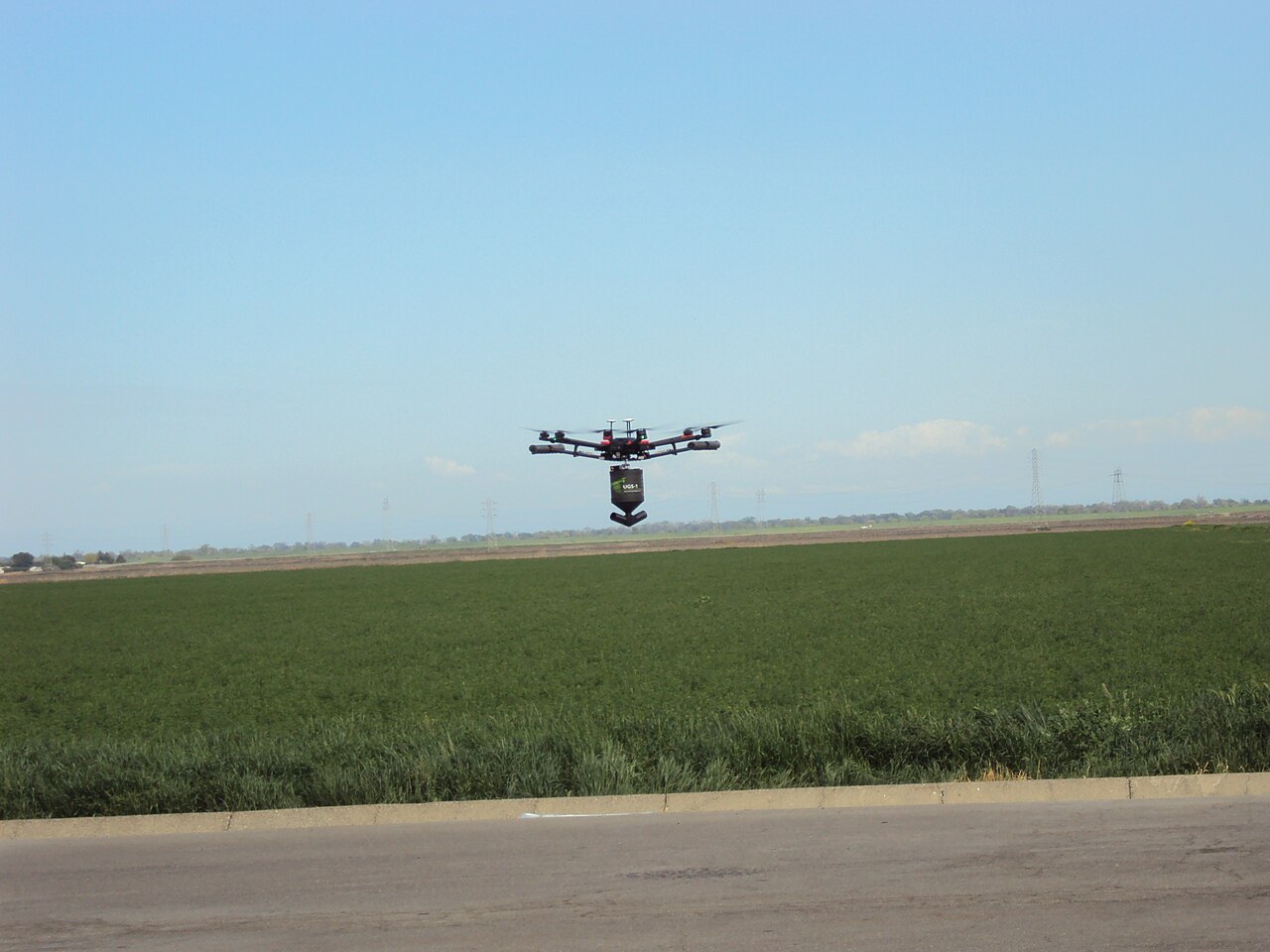
Argentina's plant and animal health agency, SENASA, has created a faster procedure to authorise crop protection products for minor crops, pest emergencies and new application methods such as drone spraying, outside the standard product-by-product review.
The measure addresses a long-standing gap: legumes, vegetables, fruits, aromatic plants and spices are often grown on too small a scale for manufacturers to pay for adding them to a product's label. SENASA says registrants frequently lack the commercial incentive to do so, leaving growers without a legal product for a pest even when an effective chemistry is already registered for other crops.
The procedure covers three cases: minor crops and uses with no registered alternative; officially declared pest or disease emergencies involving products never used in the country; and new application methods, above all drones, which SENASA can now approve on an exceptional basis. Requests can come from producer associations, cooperatives, public agencies and universities as well as companies, and can be sent by email.
SENASA has committed to answer within 90 days and, for minor crops, can grant temporary authorisations of up to two years while technical documents are completed. An already registered product needs no new safety data for an extra minor crop if efficacy for the new use is shown.
The authorisations are temporary, subordinate to full registration and subject to review, so the measure is a bridge rather than a permanent loosening of Argentina's standards.
Photo: USDA Forest Service, Forest Health Protection / Wikimedia Commons (public domain)
Source: Global Agriculture

Comments
(0)