
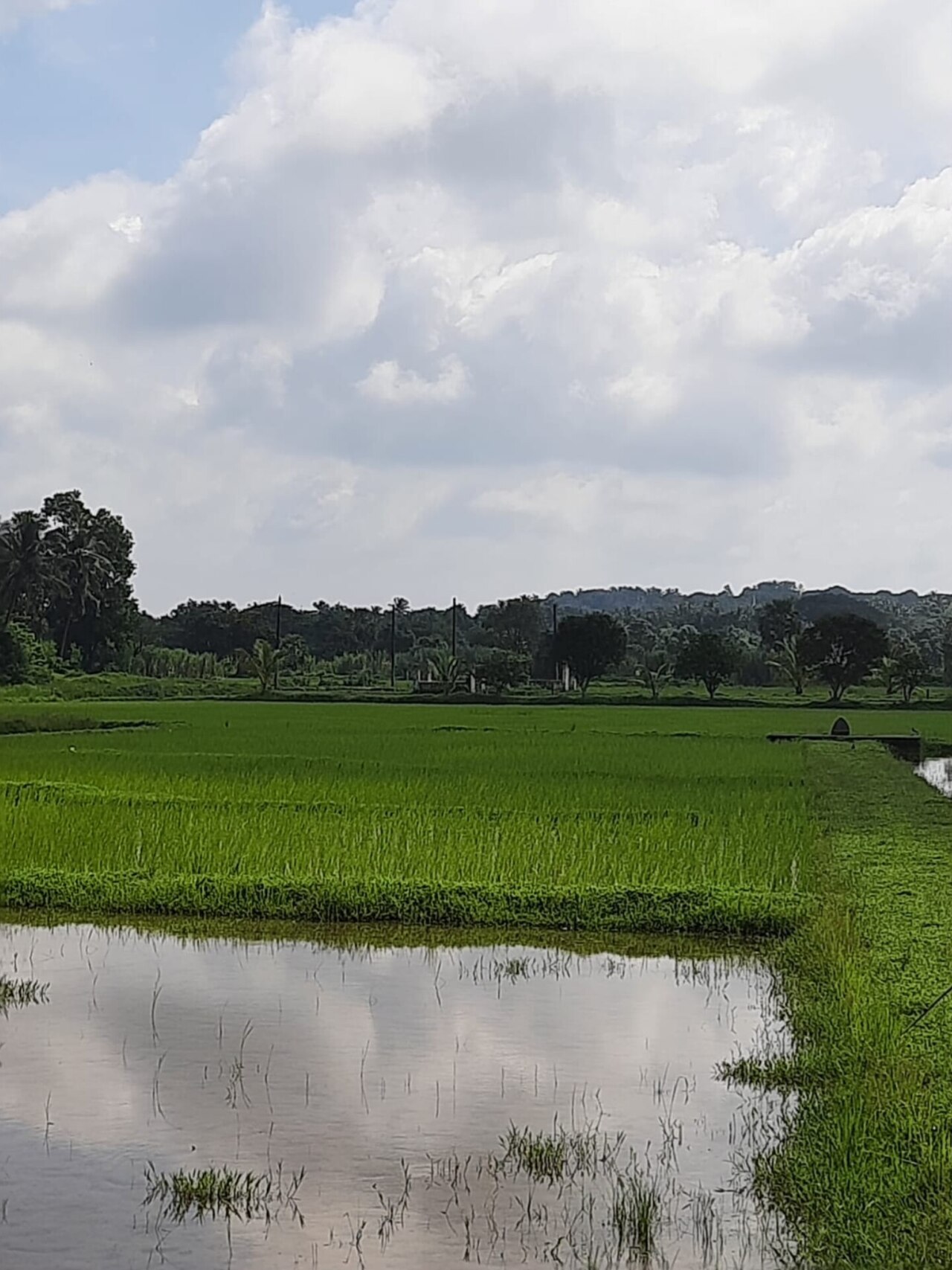
Climate-smart rice farming in India will spread only if carbon-credit schemes and other incentives put real money in farmers' pockets, speakers told Knowledge Session 7 of the Bharat International Rice Conference (BIRC) 2026, titled Sustainability Initiatives and Carbon Credits in the Rice Supply Chain, AgroSpectrum reports.
Sanjay Sethi pointed to alternate wetting and drying (AWD), in which paddy fields are allowed to dry between irrigations instead of staying flooded, as a way to cut methane emissions from rice. He also discussed the difficulties of putting direct seeded rice (DSR) into practice, and said carbon credits can give farmers a financial reason to adopt such methods.
Barun Kumar explained carbon-credit methodologies with a case study from Telangana built on a "many farms, one carbon project" approach, which pools individual farms into a single larger project. That, the session heard, could make it feasible for smallholders to take part in carbon markets, which are hard to enter one small farm at a time. Kaushal Bisht pointed to nature-based carbon removal as another opening for smallholders, and to paddy residues and rice husk biomass as resources for a circular rice economy.
Deepak Pareek said sustainability programmes must improve water-use efficiency and lower emissions while delivering clear economic gains to farmers, and Garima Joshi called for technology adoption, farmer awareness and restructured incentives as farmers face climate risks and volatile markets. Dr Saurabh Badoni spoke about preserving grain appearance and milling quality, the market potential of low-glycaemic-index rice and the effect of heat stress on grain.
The session, moderated by Manisha Gupta, closed with calls for supportive policies, effective financial incentives and wider awareness, and for treating sustainability as a long-term investment that strengthens farm incomes as well as the environment.
Photo: Prathvi Acharya / Wikimedia Commons (CC BY 4.0)
Source: AgroSpectrum

Comments
(0)