
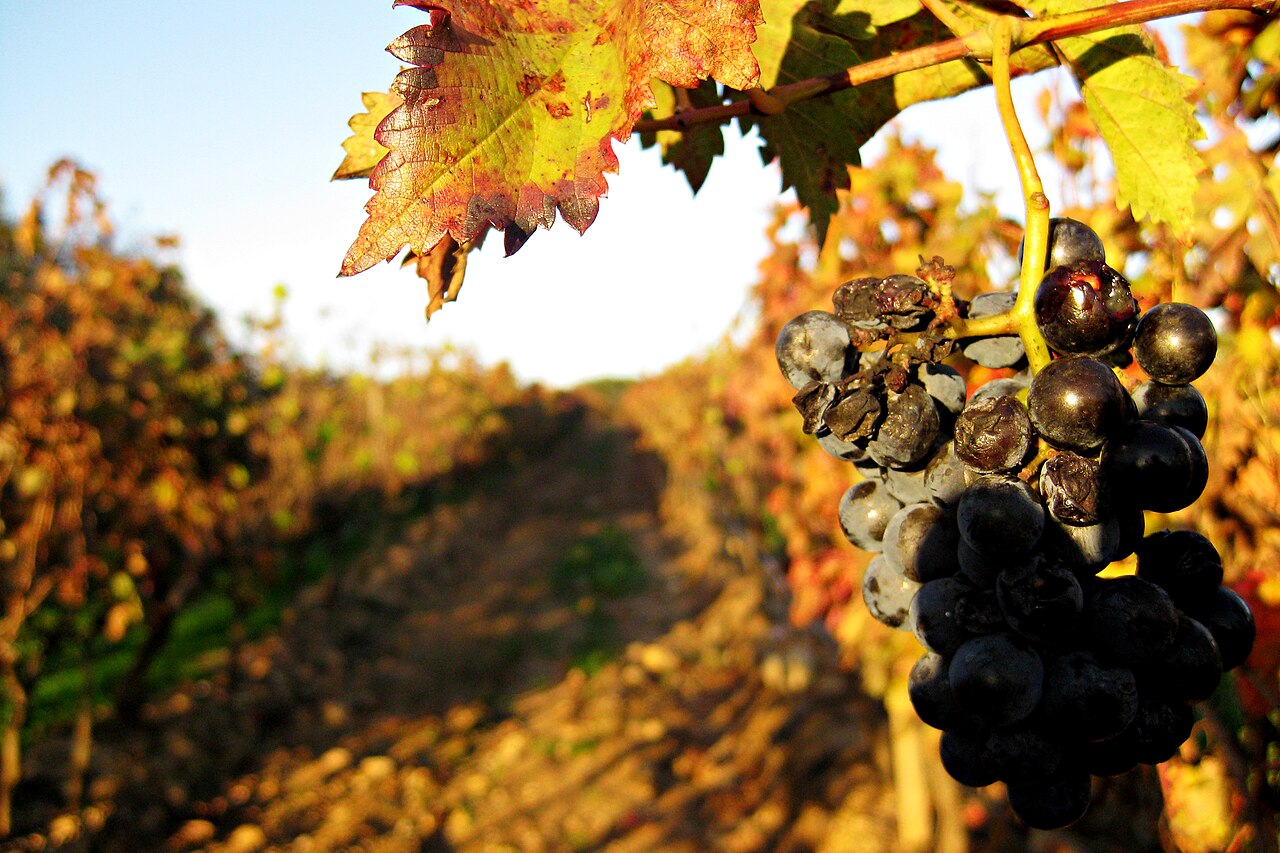
At Herdade das Servas, an estate in Portugal's Alentejo region, the grape harvest now takes place at night, with pickers working by the light of headlamps and tractor beams, Euronews reports, citing AFP.
The estate began picking at night in 2024 as a test and adopted it as standard practice last year, in response to intense heat and increasingly frequent extreme weather.
"This night-time harvest came from the need to provide better working conditions for the teams, because Alentejo has a very harsh climate in summer," said Renato Neves, the estate's winegrower and oenologist. He expects more companies to follow, because it will become very hard for people to keep harvesting from late morning in temperatures of 40, 41 or 42 degrees.
Maria Jerónima Mendes, one of dozens of pickers, said the change had not disrupted the work and that with her lamp she "sees the grapes better than in daylight". "The body gets used to turning day into night and night into day," she said.
Alentejo is one of the hottest and driest regions of mainland Portugal, where summer highs of 35 to 38 degrees are common and heatwaves push temperatures higher — episodes that specialists increasingly link to climate change.
Photo: Filipe Fortes / Wikimedia Commons (CC BY-SA 2.0)
Source: Euronews – Green/Agriculture
Comments
(0)