
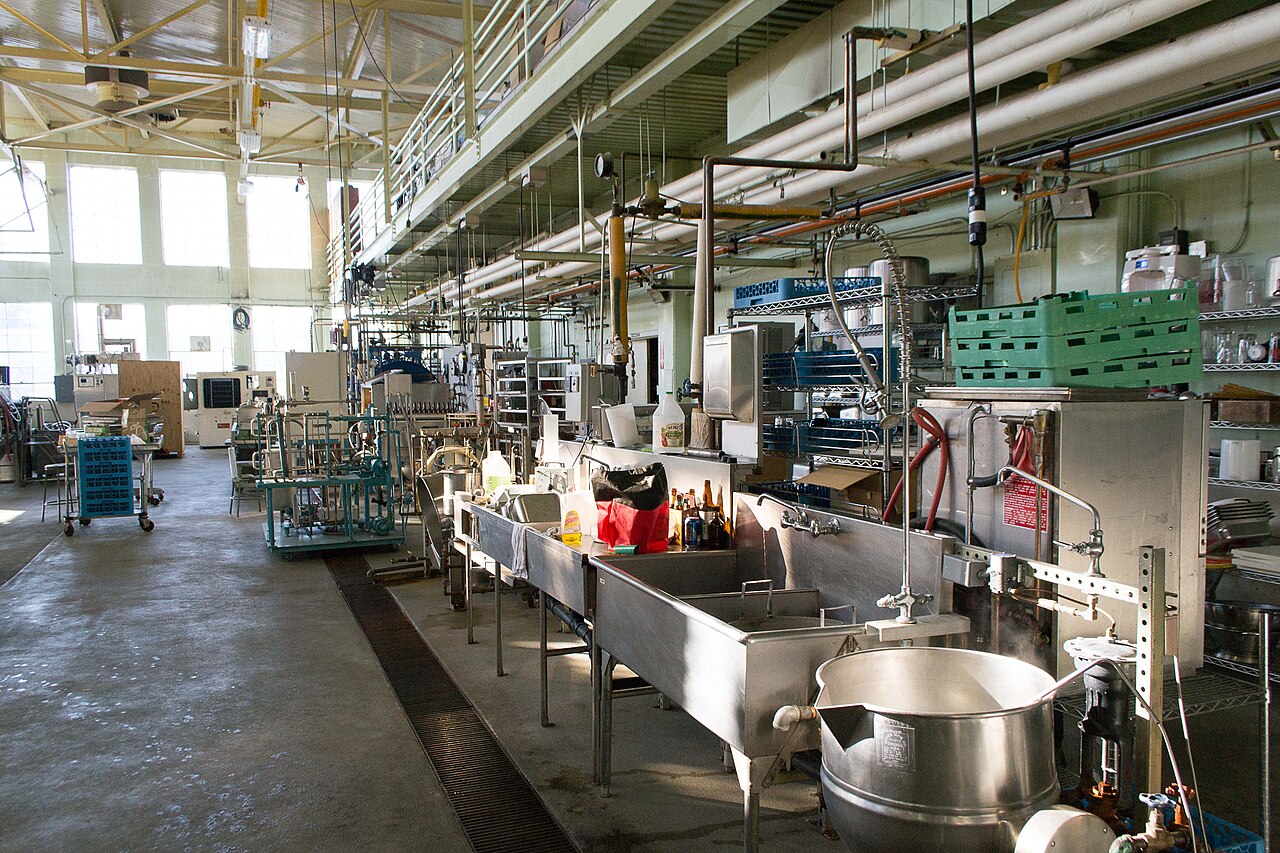
Artificial intelligence is reshaping how food and beverage companies develop new products, with around 90% of R&D leaders in the sector using it routinely, according to a report by agritech consultancy Bright Green Partners cited by FoodNavigator.
The report says AI shortens development times, cuts costs and raises the success rate of innovation; companies such as Nestlé have shown that new product development can be cut by weeks. It predicts that AI and autonomous experimentation could account for nearly 20% of the time spent on product development by 2030. Competition is a driver: nearly three-quarters of consumer-goods R&D leaders have seen rivals reach the shelf first, and AI costs are falling about 13 times a year.
The risks are mainly about data. Companies are reluctant to connect sensitive test results, formulations and intellectual property to powerful external AI models. "Companies are increasingly separating sensitive R&D data from external-facing AI tools, keeping proprietary formulations, test results and trade secrets within secure, enterprise-grade environments," said Ewa Granosik, chief executive and managing director of Bright Green Partners. Some are building internal AI tools or using platforms with controlled access and contract terms that bar training on customer data.
Internal knowledge is often fragmented and hard for AI to use, and pilots can end up disconnected from daily work. Granosik said the most successful companies give R&D, IT and business teams shared ownership, train staff to use AI in everyday decisions, start small with measurable targets and scale only after value is shown.
Because the same tools are available to every competitor, the report says human expertise remains the edge that sets one company apart from another.
Photo: Visitor7 / Wikimedia Commons (CC BY-SA 3.0)
Source: FoodNavigator



Comments
(0)