
Michigan State University researchers have received a $1 million grant from the US Department of Agriculture's National Institute of Food and Agriculture (NIFA) to find out whether precision laser weeding can help vegetable growers who are moving to organic production, Michigan Farm News reports.
Laser weeders use machine vision to recognise individual weeds and burn them with a laser. Weeds are one of the biggest costs in plant agriculture, and growers without synthetic herbicides rely on cultivation, mulches, organic herbicides and hand weeding. The technology is still expensive and too slow for most farms, and growers lack information on the crop stages, weed sizes and timing at which it works best.
The four-year project, funded by NIFA's Organic Transitions Program, is led by Joshua Miranda, an assistant professor and MSU Extension specialist in the Department of Horticulture, with a team from Oregon State University. "Organic growers rely heavily on cultivation and hand weeding, but repeated cultivation can disturb soil structure, reduce surface residue and stimulate additional weed emergence, while hand weeding is costly, labor intensive and increasingly difficult to sustain," Miranda said.
The team will first test crop safety, weed control, accuracy and operating limits of laser weeding in carrot, lettuce, onion and spinach. It will then build organic weed-management plans that use the laser for in-row and between-row control, compare its costs and benefits with standard organic methods to see where adoption makes economic sense, and produce fact sheets, decision tools, videos and on-farm field days.
Growers in Michigan and Oregon will take part, along with the Michigan Vegetable Council and Michigan Onion Committee. "Vegetables, especially onions, have serious weed issues in Michigan," said Greg Bird, executive director of both groups. "There are not enough labels for conventional sprays, and organic sprays just can't manage the weeds." He said the grant should show whether the advanced tools are ready for the state's vegetable farms.
Miranda said the aim is to cut dependence on hand weeding, improve profits and help growers move more acres into organic vegetable production.
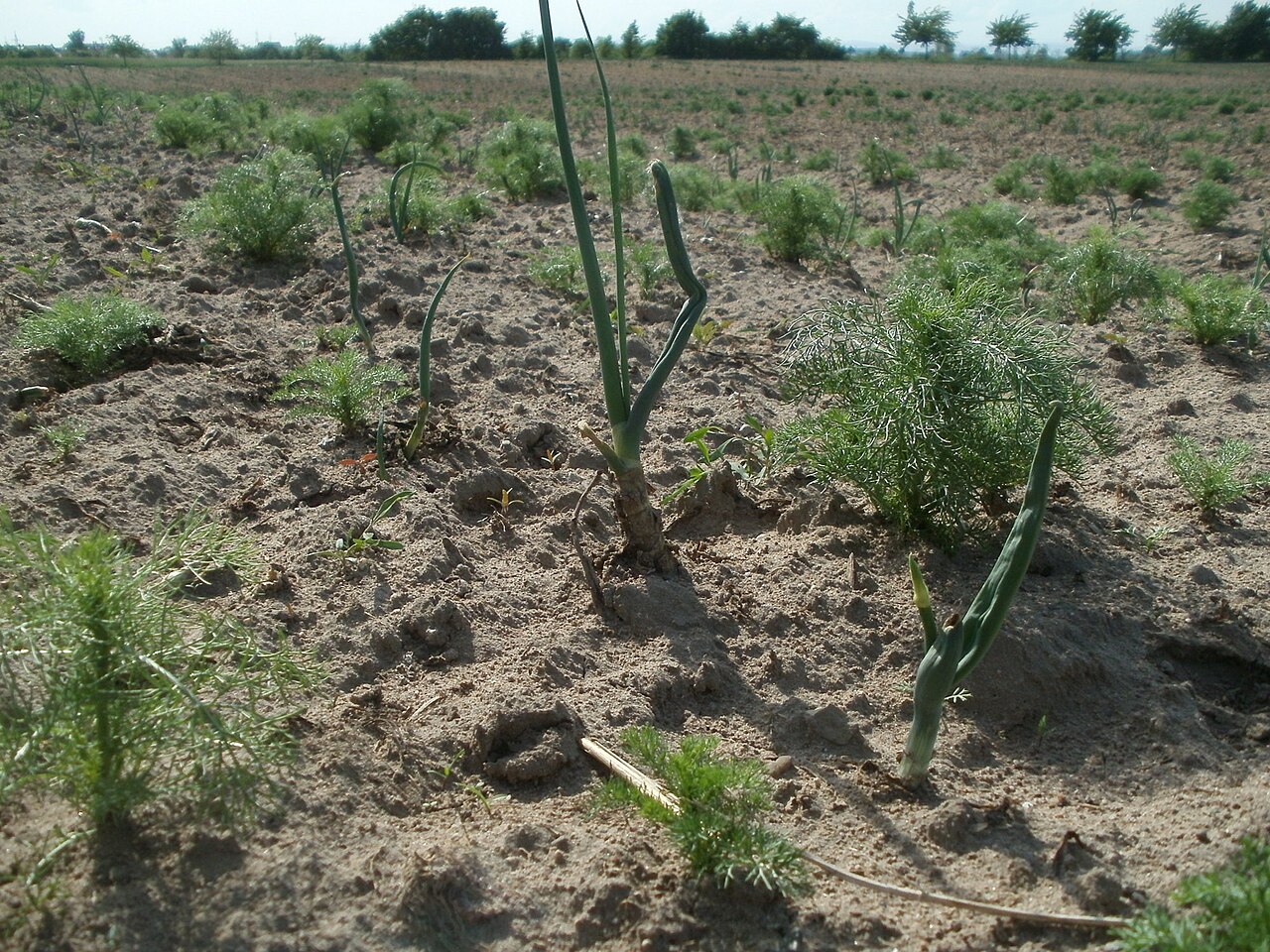
Photo: AnRo0002 / Wikimedia Commons (CC0)
Source: Michigan Farm News


Comments
(0)