
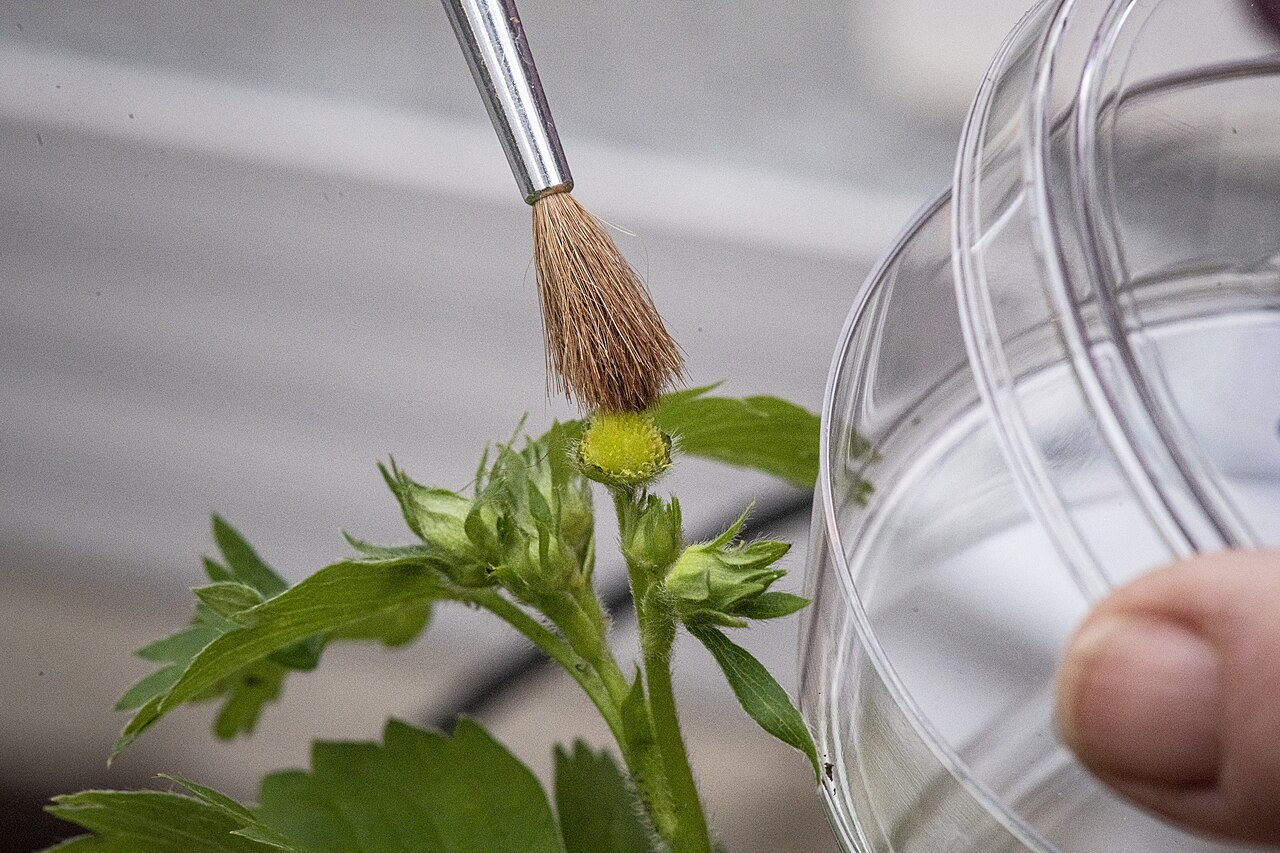
Artificial intelligence is moving deeper into crop breeding, from predicting which crosses will succeed to finding the genes behind complex traits and matching genetics to environments, Seed World reports in a survey of eight companies and research organisations to watch.
Heritable Agriculture, a Google spin-off in California, simulates how varieties or crosses will perform anywhere in the world at 10-metre resolution by combining performance data with climate and soil data into "digital twins of crop plants", chief executive Brad Zamft said. It has partnered with an Ontario greenhouse operator and an Italian strawberry breeder.
Rainbow Crops, a spin-off of Belgium's VIB-UGent Center for Plant Systems Biology, uses systems biology and AI to identify gene networks controlling complex traits, then applies multiplex genome editing; it is in a Gates Foundation-supported programme for maize, rice and sorghum and raised $11.25 million in June 2026. France's Plantik Biosciences edits regulatory DNA to strengthen responses to heat, drought or disease, initially in tomatoes, corn and soybeans.
North Carolina's Avalo uses AI to find the genetic basis of traits such as drought and pest resistance and to predict performance; co-founder Mariano Alvarez said its cotton programme aims at high-quality cotton with no added irrigation, 75 percent less fertiliser and a 47 percent lower carbon footprint. University teams are also testing combinations of AI, genomic prediction, crop modelling and automation.
Photo: USDAgov / Wikimedia Commons (Public domain)
Source: Seed World Europe
Comments
(0)