
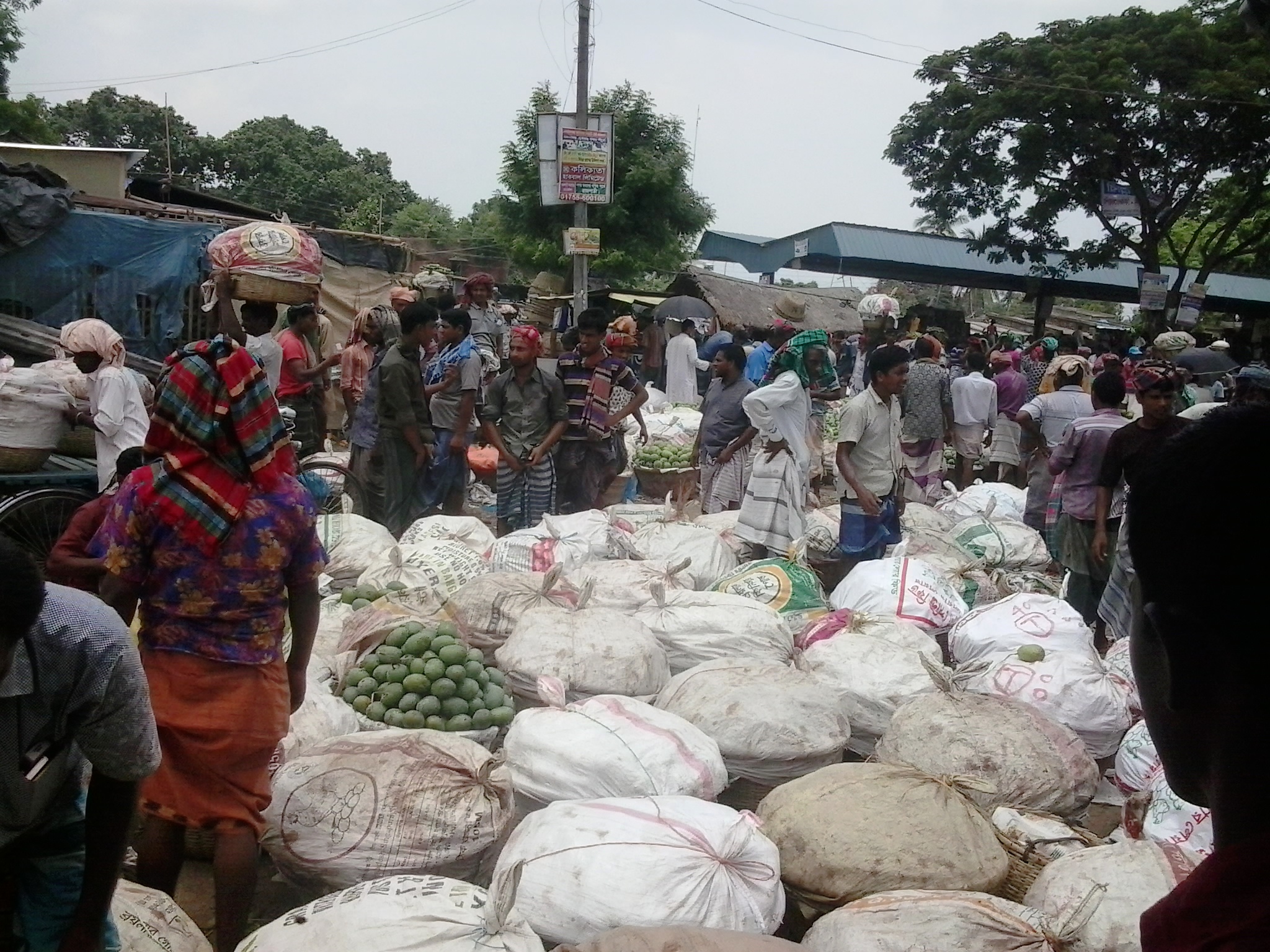
Mohammad Amin Ur Rashid, Bangladesh's minister for agriculture and for fisheries and livestock, said on Thursday 21 May 2026 that all barriers to exporting mangoes and other farm produce would be removed. He gave the assurance as chief guest at the inauguration of the season's mango exports, held at the auditorium of the Bangladesh Agricultural Research Council (BARC) in Dhaka. The ceremony was organised by the Exportable Mango Production Project of the Department of Agricultural Extension (DAE).
Abdur Rahim, director general of the DAE, chaired the event. Agriculture Secretary Dr Rafiqul E Mohamed and Md Selim Khan, additional secretary (extension) at the Ministry of Agriculture, also spoke, and the project director, Mohammad Arifur Rahman, presented a keynote paper on the potential of mango exports and what had actually been achieved. The minister formally opened the exports and then handed Good Agricultural Practices (GAP) certificates to mango growers who follow the GAP rules.
What the minister said at the launch
According to Jagonews24's report of the ceremony, the minister described agriculture as one of the most promising sectors of the country's economy and said there was huge scope to earn foreign currency by exporting farm produce. Bangladesh, he said, is one of the countries in the world best suited to growing farm produce, but because of some policy and legal complications the sector had still not reached the expected level.
He said the government was giving agriculture and farmers top priority and was carrying out various development programmes. He named family cards for farmers, loan waivers and canal digging as initiatives that, in his words, were playing an important role in agricultural development.
The minister said government support and subsidies were very important if Bangladeshi produce was to stay competitive in international markets, and noted that developed countries also subsidise their agriculture heavily. At the same time he described the use of modern farm technology and keeping product quality high as the main conditions for success abroad.
Turning to research, he stressed that the taste and quality of Bangladesh's native fruits should be preserved. He asked scientists to work on improving fruit colour, shelf life and storability according to market demand, but warned that no genetic change should be made that would spoil a fruit's natural taste.
On food safety, he said that in international markets assurance of safe food now mattered as much as taste. If proper quality control and safe production could be ensured, he said, Bangladesh would be able to build a strong position in global markets. He predicted that mangoes and other farm produce would become one of the country's main sources of foreign currency and called on producers, exporters and everyone involved to work together towards that goal.
Air cargo fares, the barrier the minister named
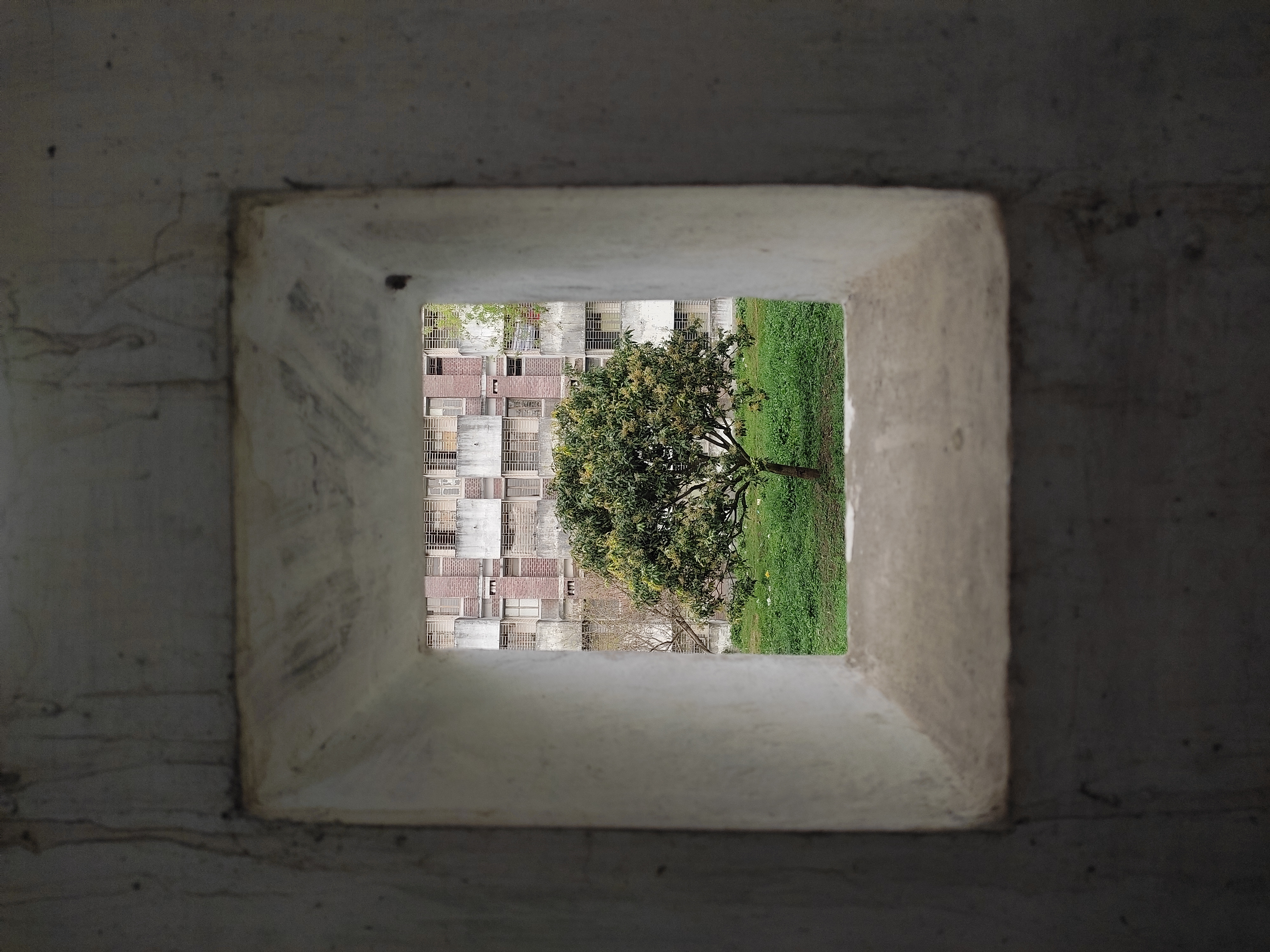
The minister singled out high air cargo fares as one of the main problems of the export sector and said solving it would be given top priority. Earlier reports show how heavily freight weighs on the trade.
In June 2025, at the start of the previous season's shipments, the same project director, Mohammad Arifur Rahman, told The Financial Express that Bangladeshi mangoes were being sold abroad at US$5 to US$5.5 a kilogram while freight cost US$3 to US$4 a kilogram. By then 600 tonnes had gone to 25 countries in 16 days, and he said the project expected to export 4,000 tonnes over the following three months.
A month before the 2026 launch, on 24 April 2026, the trade publication FreshPlaza quoted a Bangladeshi exporter, Arot Agro BD, as saying that air freight to the Middle East had risen by 30 percent to US$1.5 to 2.2 a kilogram, and that rates to Europe and the United Kingdom were 55 percent higher at US$5 to 5.3 a kilogram. The same exporter said the cost of a sea container to the Middle East had jumped from US$2,800 to between US$6,200 and US$6,400.
Handling at home has also been part of the debate. At a programme on 31 May 2025, the then agriculture secretary, Dr Mohammad Emdad Ullah Mian, said customs and security clearance for farm exports would be provided at a single point to cut both time and cost. According to The Financial Express, hot water treatment facilities were already running at Gabtoli in Dhaka, more were under construction at Shyampur and Purbachal, and customs operations were to be moved to Shyampur for joint clearance. Shyampur is also home to the central packing house where the 2023 export season was opened.
A large crop, a small export
Bangladesh grows far more mangoes than it sells abroad. In May 2025, Bonik Barta reported DAE figures showing that about 205,034 hectares were expected to yield roughly 2.5 million tonnes that season, of which around 40,000 tonnes were considered suitable for export. The same DAE series put production at 2.35 million tonnes in 2020-21, 2.7 million tonnes in 2022-23 and 2.5 million tonnes in 2023-24. In May 2023 the then agriculture secretary, Wahida Akter, described Bangladesh as the seventh largest mango producer in the world.
Exports have stayed small and uneven. Data from the DAE and the Export Promotion Bureau, reported by The Financial Express in January 2023, showed mango export earnings of only US$0.24 million in the 2021-22 fiscal year, a volume equal to 0.08 percent of that year's production. FreshPlaza reported in September 2025 that exports had reached 3,100 tonnes in 2023, fallen to 1,321 tonnes in 2024 and risen by 66 percent to 2,194 tonnes by the end of September 2025.
According to the same September 2025 report, Bangladeshi mangoes went to 26 countries in 2025. The largest buyers were:
- United Kingdom: 686 tonnes
- Saudi Arabia: 356 tonnes
- Italy: 264 tonnes
- Kuwait: 167 tonnes
- Qatar: 163 tonnes
- China, a new destination: 5 tonnes
The report said mangoes are grown in 23 districts and that 72 varieties are cultivated, but only seven or eight of them are exported. Amrapali made up about 80 percent of shipments, with Himsagar, Langra, BARI-4 and Fajli among the other exportable varieties. The domestic mango market was valued at Tk 13,000 to 14,000 crore. The OECD estimated global fresh mango exports at 2.1 to 2.2 million tonnes in 2024, of which Bangladesh's share was only 0.1 percent.
For the 2026 season, FreshPlaza reported on 8 May 2026 that total output was expected to exceed 2.7 million tonnes, that mango cultivation had expanded to 204,000 hectares and that the export goal was 3,000 tonnes. Mohammad Arifur Rahman told the publication that new markets, including Malaysia and Japan, were likely to be added that year. The report said the harvest runs from 5 May to mid-October, mainly in Chapainawabganj, Rajshahi, Satkhira and Dinajpur, that export-grade mangoes are picked at around 80 to 85 percent maturity, and that growers' average yields are 10 to 12 tonnes a hectare. In Rangpur, the Haribhanga mango was grown on more than 3,000 hectares, with an estimated trade value of over Tk 250 crore, and had already been sold to Malaysia and Singapore.
The project that organised the launch
The Exportable Mango Production Project, which hosted the ceremony, is a Ministry of Agriculture project carried out by the DAE for 2022 to 2027 at a total cost of Tk 47 crore. It covers 46 upazilas in 15 districts. According to The Financial Express in May 2023, the project was to set up 2,300 demonstration plots and 2,300 mango orchards and to develop 1,840 fertiliser and pest management sites in existing orchards, while promoting modern practices such as pruning, bagging and pest management. Growers were also to receive small machines, including mango pluckers, hydraulic mango harvesters, garden tillers, hand sprayers and foot pumps.
In January 2023 The Financial Express reported that the project aimed to raise mango output by 5 percent and to create new jobs. At that time Wahida Akter, then agriculture secretary, said 25 to 30 percent of the country's mangoes were wasted because modern technology was not used at various stages.
The formal opening of the export season has become a yearly event. On 25 May 2023 the season was opened at the central packing house in Shyampur, Dhaka, by the project jointly with the Bangladesh Fruits, Vegetables and Allied Product Exporters Association, with a first shipment of 10 tonnes to four countries and a target of 4,000 tonnes; the secretary said only 1,757 tonnes had been exported the year before. On 29 May 2025 the season was opened, as in 2026, at the BARC auditorium. According to BSS, quoted by FreshPlaza, 13 tonnes had then been sent to five countries: the United States, Germany, Saudi Arabia, Qatar and Bahrain.
GAP certificates and the rules behind them
The certificates the minister handed out are issued under the Bangladesh Good Agricultural Practices Policy, which the government adopted on 21 December 2020 with a five-year action plan for 2020 to 2025. The policy covers good practice from production to post-harvest handling, with the aims of safe food, environment-friendly farming, worker safety and more high-value crops for export.
When the policy was announced in July 2020, The Business Standard reported that the Ministry of Agriculture wanted every stage of farm production, from farming to marketing, to follow GAP rules. The system it described included:
- a 13-digit Bangladesh GAP Number for each certified producer, modelled on GlobalG.A.P.
- a certificate that must be renewed every year
- oversight by an independent accreditation body
- testing in laboratories of international standard
- records kept for every phase of farming
The same report gave the reason: agro exports had fallen to US$862 million in the 2019-20 fiscal year from US$904 million the year before, and the then agriculture secretary, Md Nasiruzzaman, said Bangladesh ranked high in producing fish, vegetables, fruit and poultry but stayed at the bottom in export earnings because it had not been able to ensure product quality.
BARC was made the scheme owner of Bangladesh GAP, and a steering committee, a technical committee and a certification committee were formed to supervise the work, The Financial Express reported in January 2022. In August 2024 The Daily Observer reported that BARC had developed GAP protocols for 15 crops, including mango and jackfruit, that the World Bank-funded PARTNER project was supporting field work, and that a plan had been adopted to bring 3 lakh hectares under GAP over the next three years. A GAP validation trial on mangoes was shown to 18 diplomats in Chapainawabganj on 27 June 2024.
PARTNER, which runs from July 2023 to June 2028 with funding from the government, the World Bank and the International Fund for Agricultural Development (IFAD), launched the trade of GAP-certified mangoes on 31 May 2025, with the Hortex Foundation among its partners.
China: mangoes first, jackfruit waiting
The minister also spoke of exporting jackfruit to China. He said China had shown interest in importing Bangladeshi jackfruit on a large scale, but that Bangladesh needed a modern packing and quality control system to meet international standards.
Mangoes opened the Chinese market first. China approved the import of fresh mangoes from Bangladesh in July 2024. On 28 May 2025 a first shipment of three tonnes arrived in Changsha, in Hunan province, where customs officers at Changsha Huanghua International Airport checked the labels and phytosanitary certificates before clearing it, according to China's official Belt and Road portal. The importer, Hunan BabaiLi Holding Group, estimated it would bring in more than 100 tonnes in the first year. FreshPlaza's September 2025 figures show China took 5 tonnes of Bangladeshi mangoes in 2025.
Jackfruit was still waiting. In October 2025 the Chinese ambassador in Dhaka, Yao Wen, said China was working to enable market access for Bangladeshi jackfruit and guava, Prothom Alo reported.
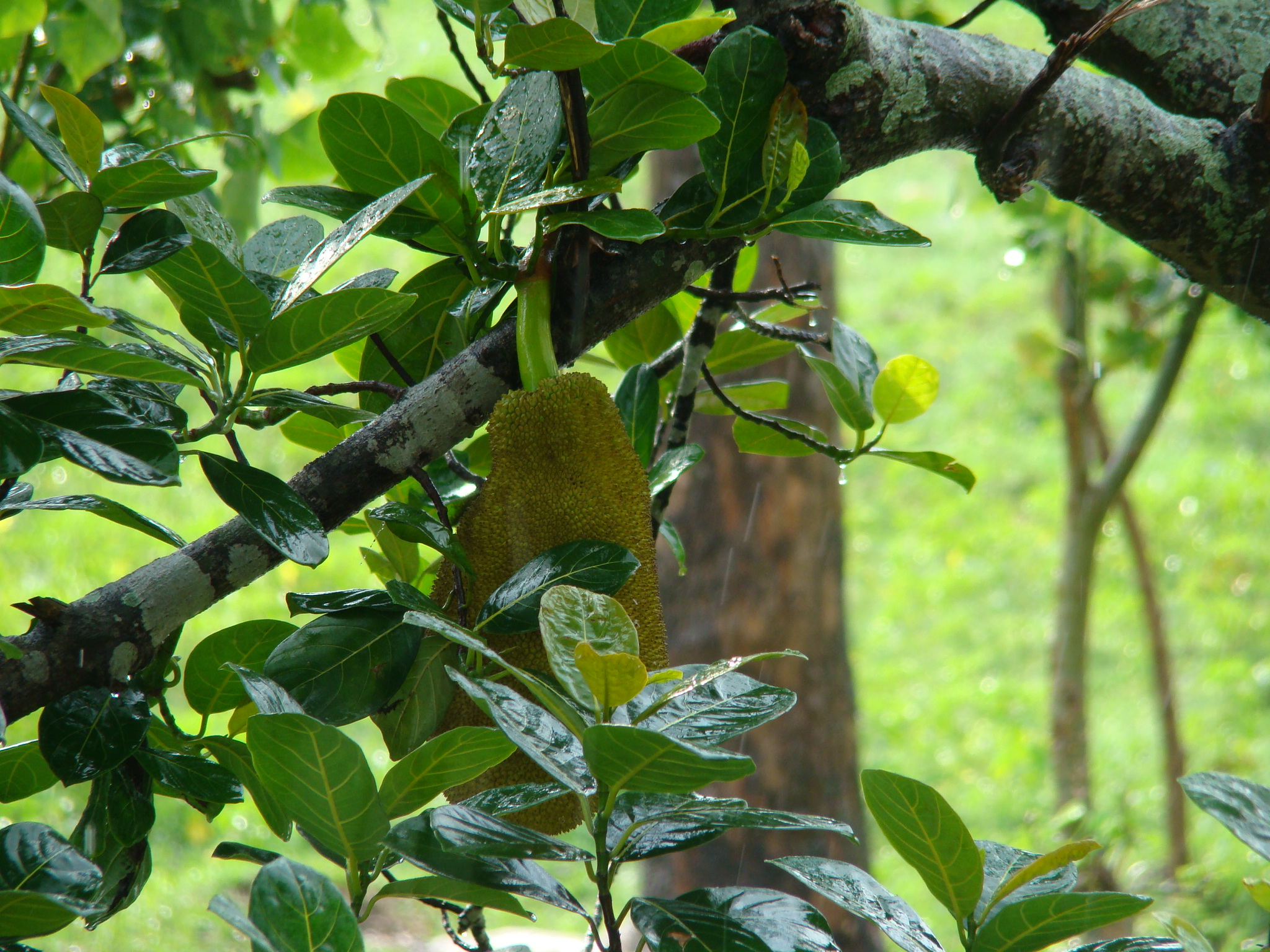
Jackfruit (Artocarpus heterophyllus) is the national fruit of Bangladesh and the largest fruit borne on a tree; a single fruit can weigh up to 50 kilograms. Banglapedia records 25,110 hectares under jackfruit with an annual production of 469,500 tonnes in data for 2000 to 2007, about 22 percent of the country's total fruit production at the time. It names three broad types grown in Bangladesh: khaja, with firm flesh, gala, very juicy and soft, and dorosa, in between. The ripe pulp is eaten fresh, preserved in syrup or dried, the unripe fruit is cooked as a vegetable and the seeds are boiled or roasted.
The mango in Bangladesh
The mango (Mangifera indica) belongs to the family Anacardiaceae. Banglapedia says its origin is lost in antiquity but that it is believed to be native to the eastern part of the Indian subcontinent, including Bangladesh, Assam and Myanmar, and calls it the king of fruits. The mango tree is the national tree of Bangladesh.
Among the country's elite varieties Banglapedia lists Fazli, Langra, Gopalbhog, Himsagar and Khirsapat, grown mainly in Rajshahi, Chapainawabganj and Dinajpur, alongside local seedling mangoes known as deshi or guti aam whose quality is not assured. Chapainawabganj in the northwest is widely called the country's mango capital. Amrapali, the variety that now dominates exports, is a hybrid of the Dasheri and Neelum varieties developed in 1971 at the Indian Agricultural Research Institute in Delhi; its flesh is a deep orange-red.
Worldwide, FAOSTAT figures show 61 million tonnes of mangoes, mangosteens and guavas were produced in 2023, with India growing 43 percent of the total, followed by Indonesia, China, Mexico, Pakistan and Brazil.
The two institutions in the room
The launch was held at BARC, at Farmgate in Dhaka. BARC was set up in 1973 under Presidential Order 32 of that year, within the Ministry of Agriculture, as the apex body of the National Agricultural Research System. It coordinates research, sets research priorities, evaluates programmes and links the system with international partners, and works with ten research institutes under four ministries, among them the Bangladesh Agricultural Research Institute, the Bangladesh Rice Research Institute, the Bangladesh Fisheries Research Institute and the Bangladesh Livestock Research Institute.
The DAE, whose director general chaired the event, is the Ministry of Agriculture's extension department and runs the Exportable Mango Production Project.
Photo: Ferdous / Wikimedia Commons (CC BY-SA 4.0)
Sources: Jagonews24, FreshPlaza, Bonik Barta, The Financial Express, Dhaka Tribune, The Business Standard, The Daily Observer, Belt and Road Portal (China), Prothom Alo, Banglapedia, Wikipedia
Comments
(0)