
Bangla New Year, or Pohela Boishakh, is a joyful and traditional festival of Bengali culture. At the start of the new year, Bengalis want to set aside the sorrows of the old year and shape their lives around new hopes and dreams. Farmers bring in new crops and, putting old gains and losses behind them, dream of doing something new. Traders open their halkhata, Boishakhi fairs are held in villages and towns, and everyone joins in the new year spirit. The day is celebrated as a symbol of Bengali tradition, culture and unity.
Bangladesh is an agricultural country. Its economy, food security and rural livelihoods depend directly on farming, so developing agriculture means developing the country. Despite many challenges in the sector, farmers and agri-entrepreneurs are trying to take it forward through hard work, innovation and modern thinking. Feature writer Mohammad Sohel Rana has gathered the thoughts, hopes and problems of farmers and agri-entrepreneurs around the Bangla New Year.
A student farmer wants syndicates gone
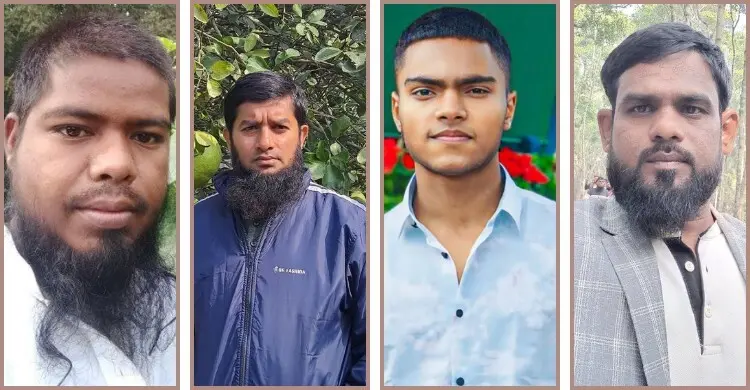
Minhajul Minar is a college student who has had a deep interest in farming since childhood. From that interest he began growing vegetables and potatoes alongside his studies. He has chosen farming as his future so that he will not have to chase a job after finishing his education.
Minhajul said: "My hope from the government in the new year is to free the vegetable market from syndicates. Farmers' production costs have risen several times over, yet produce often has to be sold for less than it costs to grow. Potato farmers in particular have been facing losses for the past two years. The government should arrange to export potatoes."
He said: "As a college student I have got into farming and want to contribute to the country's agriculture as an entrepreneur. But we are not getting the training needed to use various technologies and techniques in modern farming. Although there is a government budget for this, it often stays at the agriculture office level. People close to agriculture officials, who are not directly involved in farming, get these benefits, and real farmers and entrepreneurs are deprived. So my demand to the government is that grants and training reach genuine, deserving farmer-entrepreneurs."
Fertiliser, fuel and cheaper credit
Md Rashidul Islam Rashed teaches at a college and also farms. He grows guava and jujube successfully and is involved in fish farming as well.
Rashed said: "Bangladesh is an agricultural country, so developing agriculture is essential for the country to progress. For that, fertiliser and pesticides must be easily available. We often see a sudden fertiliser shortage, and sometimes a lack of kerosene, which becomes a big problem for farmers."
His hope from the new government, he said, is that fuel oil, pesticides and fertiliser stay within farmers' reach so that cultivation is not affected, which would let Bangladesh move forward quickly. He added that bringing down the interest rate on farm loans is also very urgent.
The agri-entrepreneur said: "Another important point is that the subsidies the government gives farmers, such as fertiliser, pesticide and seed, must be distributed fairly. Because of unequal distribution, real farmers are often deprived of these benefits. The government needs to pay special attention to this."
A cleric who farms
Mufti Yusuf Ali is an Islamic scholar who has long been deeply involved in farming. Alongside religious study he grows paddy, jute, banana, ginger, bean, yardlong bean, large cucumber, potato and pointed gourd, among other crops. His dedication has not only brought him personal success but is also encouraging people around him to farm.
Mufti Yusuf Ali said that at the start of the Bangla New Year, farmers feel new hope but also various worries and the pressure of their accounts. A new year means new plans, but at the centre of those plans is the hard reality of profit and loss. Last year's experience shows that even as production costs rose, fair prices for farm produce were often not ensured.
He said: "I grow various crops. The costs of fertiliser, seed, pesticide and labour for these crops are rising day by day. But because market prices do not rise in proportion, we often do not get the profit we hope for. Even after a good harvest, if market prices fall we face losses, which is very disheartening for us."
His hope in the new year, he said, is that the government ensures fair prices for farm produce, gives effective help to cut production costs and strengthens market management, along with expanding storage facilities and buying more crops directly from farmers.
"As future plans, I want to focus on using improved seed, adopting modern farming methods and growing crops according to market demand. I will also look at new technology and better management to make farming more profitable."
An award-winner calls for accountability
Selim Reza (AIP) has long been deeply involved in agriculture. He has successfully grown mango, lychee, jujube, guava and various local and foreign fruit varieties, and has received several national and international awards in recognition of his contribution and success.
Selim Reza (AIP) said: "Bangladesh is an agricultural country, and most of its people are involved in farming. So in any government decision, the participation and views of capable farmers must be given importance. Full accountability must be ensured in agriculture-related offices, and effective steps must be taken to raise the success rate of projects. Many of the projects taken up and implemented so far have not achieved the expected success because of corruption; rather, they have caused great damage. Proper accountability must be ensured and those responsible punished. Effective decisions and regular monitoring are also essential so that such irregularities do not happen in future."
The award-winning farmer said: "Agriculture should be declared one of the country's finest professions. The right person must be appointed to the right place, and success must be ensured through honest work. Strict measures must be taken to stop all illegal activity in agriculture, including adulterated fertiliser and pesticides."
Source: Jagonews24. First published in Bengali on The Agro News.
Comments
(0)