
By Syed Mazarul Islam Rubel
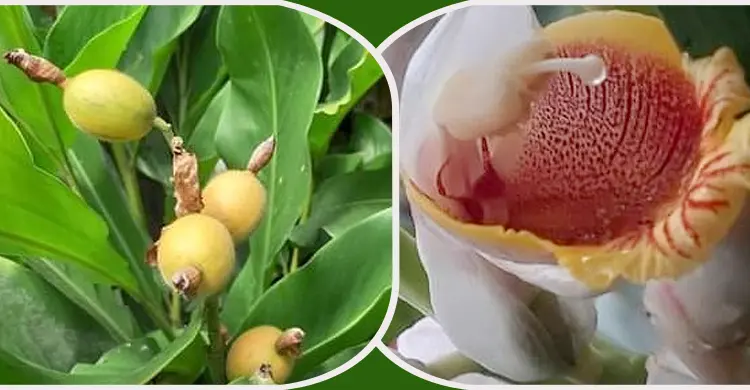
About a year ago I collected two cardamom seedlings from my friend Sumon and planted them at home. New shoots began to sprout from the base of the plants. Around six months later one plant flowered, and the flowers set fruit. The fruit looked like our local jujube (boroi), not like cardamom. Cardamom plants normally fruit near the base, so I began to wonder whether this was a cardamom plant at all. Eventually, searching online, I found a report that surprised me.
The Okinawa connection
Okinawa is an island in south-west Japan. Its people live long, and many centenarians are found there. What is the secret? A group of Japanese researchers claim to have found it: their diet. The people there keep one plant in their daily food, and that plant is the large cardamom. Reportedly there is hardly anyone there who does not eat the leaves and roots of this ginger-family plant with their meals, and it is hard to find anyone who does not eat it daily. They eat the plant, make tea from its leaves and also take medicine made from it.
The fruit of this plant is much larger than the cardamom sold in the market. The unripe fruit is green like the leaves. As it ripens it turns first yellow, then orange, and finally greyish brown. The skin is covered in fine hairs. Inside are black seeds like those of cardamom, and both the seeds and the skin smell like cardamom. A single cluster bears 10–15 fruits, which ripen in the Bengali months of Asharh and Srabon. The fruit is dried and used in cooking like ground cardamom.
Flowers and leaf tea
The plant flowers beautifully, mainly in the month of Magh. The flowers have no scent: small, shell-shaped and whitish, with yellow-orange markings. To make tea from the leaves, I chop one green, mature leaf finely into a little over two cups of water and boil it like ordinary tea. After four to five minutes of boiling the water starts to turn red. I turn off the stove, wait a minute, strain it into a glass cup and see a lovely reddish-pink colour. The aroma is like mild ginger. Tasted without sugar it is not bad; since I like sugar in my tea, I added some and it was delicious. Used in meat dishes, this cardamom gives a different flavour.
In 2022 a few plants fruited for the first time. In 2023 more plants fruited, and I used the fruit for family cooking and gave some to relatives. This year about a hundred plants have fruited. If harvested, the crop will come to about three to four kilograms. On the online marketplace Amazon I saw that it fetches a high international price, but I have no idea where to sell it in the local market.
The writer lives in Chenguttia, Agailjhara, Barishal.
Source: Jagonews24. First published in Bengali on The Agro News.
Comments
(0)