
Africa's nutritious, climate-resilient indigenous crops remain neglected while millions on the continent face hunger, and young people are the best chance of turning them into profitable food products, speakers told a webinar hosted by Young Professionals for Agricultural Development (YPARD), Olwam Mnyande reports for Food For Mzansi. The session, themed "Innovative today, nourish tomorrow", covered value chains, agro-processing, market access, nutrition and food safety.
Dr Babafemi Oyewole, chief executive of the Pan African Farmers Organisation (PAFO), called for action on indigenous and underutilised crop value chains and for farmers across the continent to be mobilised. "Africa is sitting on a treasure of agricultural biodiversity while millions of its people face hunger, malnutrition and unemployment," he said.
Dr Manyewu Mutamba, senior programme officer at the African Union Development Agency (AUDA-NEPAD), described how the Comprehensive Africa Agriculture Development Programme (CAADP) widened its aims beyond ending hunger, malnutrition and poverty to tripling intra-African trade and building resilience, as climate change began to threaten food security and livelihoods.
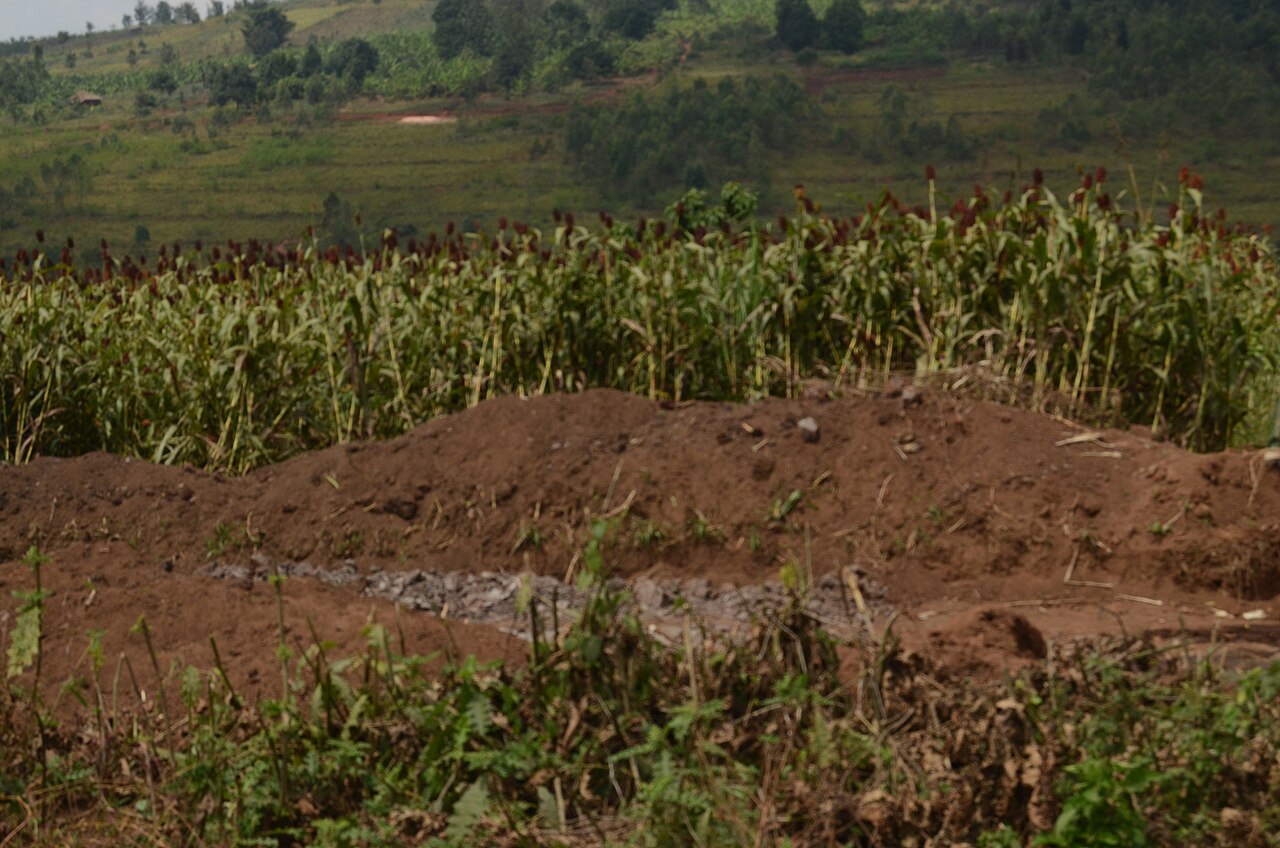
Dr Rachel Mkandawire, programme manager for policy research and analysis at the Food, Agriculture and Natural Resources Policy Analysis Network (FANRPAN), said South Africa has a diverse range of indigenous and traditionally eaten foods at different stages of research, production and market development. Sorghum, she said, is one of the most established, with a long history of cultivation and consumption and existing research and processing capacity.
Ezinne Sarah Otisi, an indigenous food researcher and founder of the Agro Food Heritage Initiative, urged young farmers to grow and conserve local foods, which she described as nutrient-dense and rich in vitamins, protein, fibre, minerals and antioxidants that can help fight malnutrition. Enele Zulu-Ndlovu, project specialist at the Centre for Community Impact, which is associated with the Meatless Monday initiative, said that in cities people who get home late from work often buy fast food instead of cooking a healthy meal, one of the barriers her programmes work on.
Photo: Asimbahwe Gratien and CubeMEDIA CM / Wikimedia Commons (CC BY-SA 4.0)
Source: Food for Mzansi



Comments
(0)