
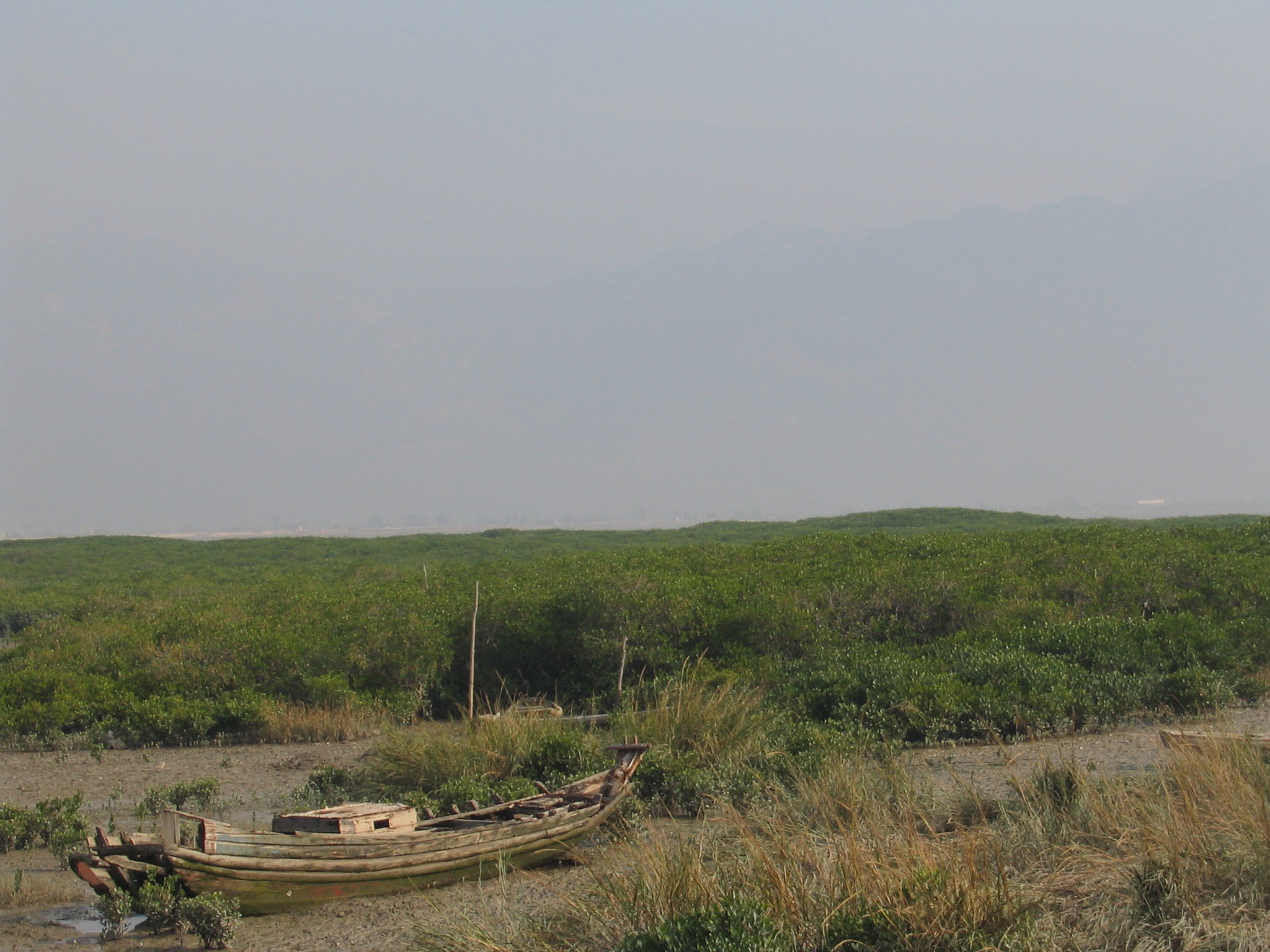
The Asian Development Bank (ADB) approved a loan of CNY1,013.56 million, equivalent to $142.25 million, to strengthen climate resilience and protect biodiversity in coastal cities of Fujian province in eastern China, the bank announced from Beijing on 27 November 2025. The money is for the Fujian Coastal Cities Climate-Resilient Development and Biodiversity Conservation Project, which covers Fuzhou city, the provincial capital, and Yunxiao county in the south of the province. China's state news agency Xinhua carried the news the same day, citing the ADB, and the Bengali news site Jagonews24 reported it that evening.
According to the bank, the project is meant to help 4.4 million residents of Fuzhou and Yunxiao, including 2.15 million women, cope with extreme weather by reducing urban flood risk, and to do much of that through nature-based solutions: restoring wetlands and mangroves rather than relying only on concrete. More than 220 hectares of coastal wetland and mangrove habitat are to be conserved and restored, in places that serve as critical stopover sites for migratory waterbirds on the East Asian-Australasian Flyway.
What the loan pays for
The ADB release of 27 November 2025 set out the work in three strands. The first is flood protection. The project is to upgrade urban drainage systems, improve stormwater detention parks and lakes that hold rainwater during heavy storms, rehabilitate dikes in an eco-friendly way, and set up an integrated emergency response centre in Yunxiao.
The second strand is nature. The project is to refine habitats for endangered species and remove invasive plant species. It is also to change conventional farming and aquaculture into sustainable, wildlife-friendly practices across an area of more than 630 hectares at the two sites.
The third strand is people and institutions. The bank said investments in smart information and communications technology and AI-enabled monitoring systems would support real-time management of flood risk and of the wetlands, while knowledge sharing and training would build government capacity in climate adaptation, wetland management and disaster response. Lessons from the project, the release said, are to be shared with other coastal cities, wetlands and mangrove areas in China and in other ADB developing member countries.
The ADB's country director for the People's Republic of China described the logic of the project in the release. "The project demonstrates vital benefits and synergies achieved by linking urban climate resilience, conserving biodiversity, and expanding key habitats," the director said. "By restoring wetlands and mangroves, we will both improve and expand habitats for endangered species, as well as deliver nature-based solutions that can strengthen defenses against coastal and urban flooding, storm surges, and sea level rise in Fuzhou and Yunxiao."
Why Fujian's coast needs protection
Fujian lies on China's south-eastern coast, facing the East China Sea to the east, the South China Sea to the south and the Taiwan Strait to the south-east. Its coastline is rugged, with many bays and islands. The province has a subtropical climate with mild winters; in summer it is exposed to typhoons coming in from the Pacific, and its average annual rainfall is between 1,400 and 2,000 millimetres.
The ADB said Fujian's coastal areas face increasing risks from extreme weather, including more powerful cyclones and extreme rainfall, and that these compound the threat of severe flooding from storm surges, sea-level rise and urban waterlogging. In a city, heavy rain that cannot drain away quickly floods streets and low-lying neighbourhoods; on a coast, the same rain can coincide with a storm surge pushing seawater inland. The project's mix of drainage works, detention parks and restored wetlands is aimed at both.
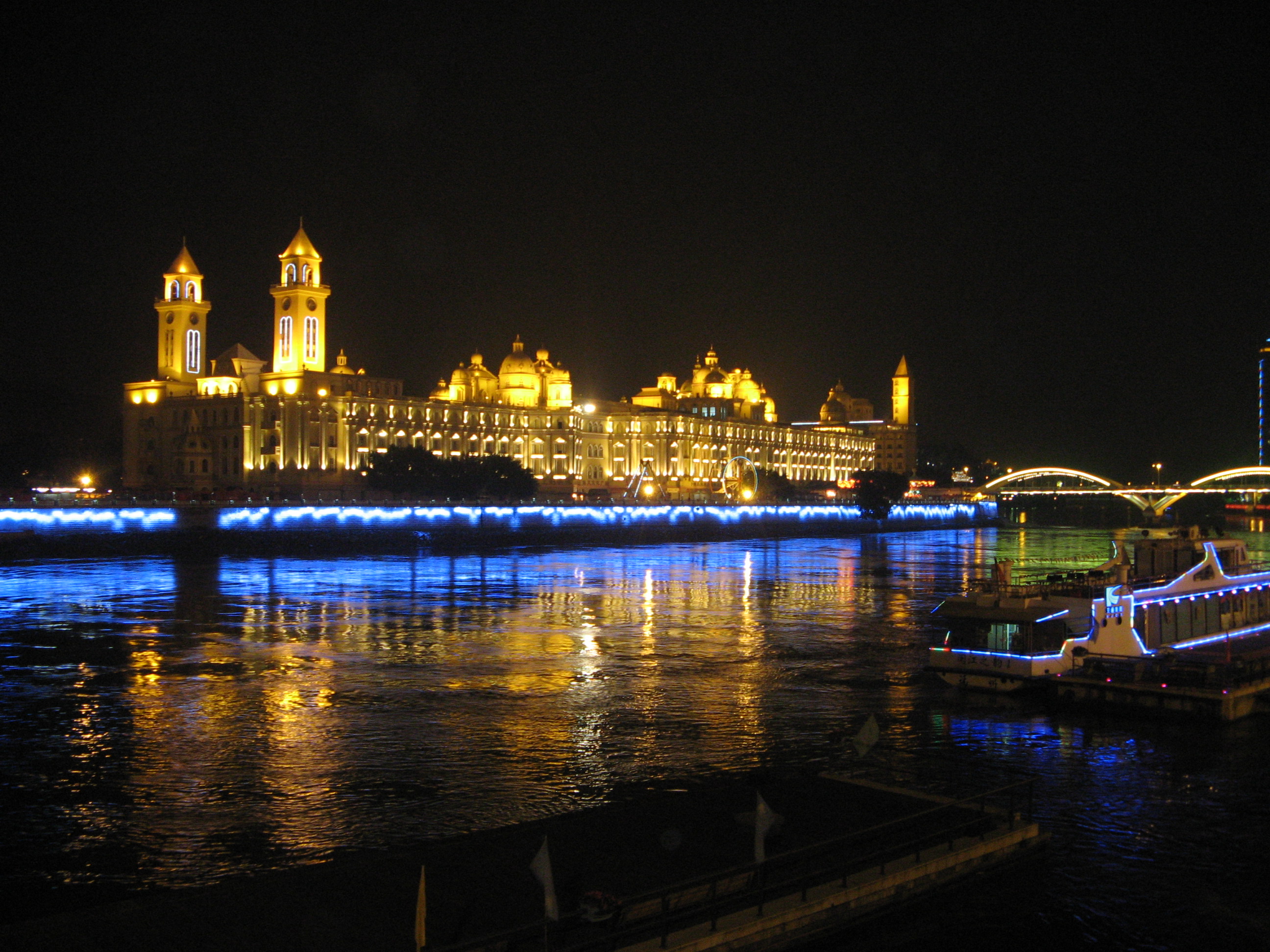
Fuzhou sits on the lower course of the Min River, the largest river in Fujian. The Min is about 505 kilometres long, drains most of northern and central Fujian and flows into the sea beyond the city, where its sediments have built the estuary that the project is to protect. Yunxiao county lies far to the south, on the estuary of the Zhangjiang River.
China already had a national approach for the urban part of the problem. Under the "sponge city" model, adopted by the State Council as a nationwide urban construction policy in 2014, cities are encouraged to use parks, green spaces, wetlands and permeable surfaces to catch, store and absorb stormwater instead of relying only on pipes and channels. Stormwater detention parks and lakes of the kind named in the ADB release follow the same idea.
Two estuaries on the bird flyway
The ADB release named the two protected areas at the heart of the project: the Minjiang River Estuary National Wetlands Reserve in Fuzhou and the Zhangjiang River Estuary National Mangroves Reserve in Yunxiao. Both, it said, are vital habitats for migratory birds and serve as wintering and breeding sites along the East Asian-Australasian Flyway. Both also carry international recognition under the Ramsar Convention on Wetlands, according to the convention's site information service.
The Fujian Minjiang River Estuary Wetlands, in Changle district of Fuzhou, were designated a Wetland of International Importance on 28 October 2022 and cover 2,100 hectares. The Ramsar record describes a site dominated by intertidal mudflats formed from the alluvial deposits of the Min River, with shallow marine waters of the East China Sea. It says the reserve protects 28 threatened species and over 50,000 resident and wintering birds of 219 species each year, among them the spoon-billed sandpiper and the Chinese crested tern. The critically endangered Chinese sturgeon migrates through the site, and other economically important fish are farmed in its aquaculture ponds. The site lies in a typhoon-prone area that faces around five typhoons a year, and the mangroves on its coastal side help reduce their impact, stabilise the shoreline and shelter rare species. The record lists long-term control of the invasive smooth cordgrass and the cleaning of floating garbage among the management measures already in place.
The Fujian Zhangjiangkou National Mangrove Nature Reserve in Yunxiao county was designated a Ramsar site on 2 February 2008 and covers 2,358 hectares. Its Ramsar summary describes mangrove forest in the estuary of the Zhangjiang River together with intertidal mudflats and salt marshes. It says the mangrove marsh and coastal vegetation provide habitat for more than 154 bird species and list IUCN Red-listed species there, including the Chinese egret, Saunders's gull and four sea turtles (hawksbill, leatherback, loggerhead and olive ridley), as well as 240 other aquatic animal species and 224 vascular plants. The estuary is also a spawning and breeding ground for fish and shellfish such as the razor clam and the grey mullet. The summary notes the site's role in resisting typhoons, protecting the coastline and purifying water, and records that aquaculture is practised there for the local economy.
Both sites, the ADB said, had suffered from historic pollution, habitat degradation and fragmentation, and invasive species. These problems, according to the bank, threaten biodiversity, reduce the services the ecosystems provide and make the surrounding areas more vulnerable to flooding.
Mangroves and an invasive grass
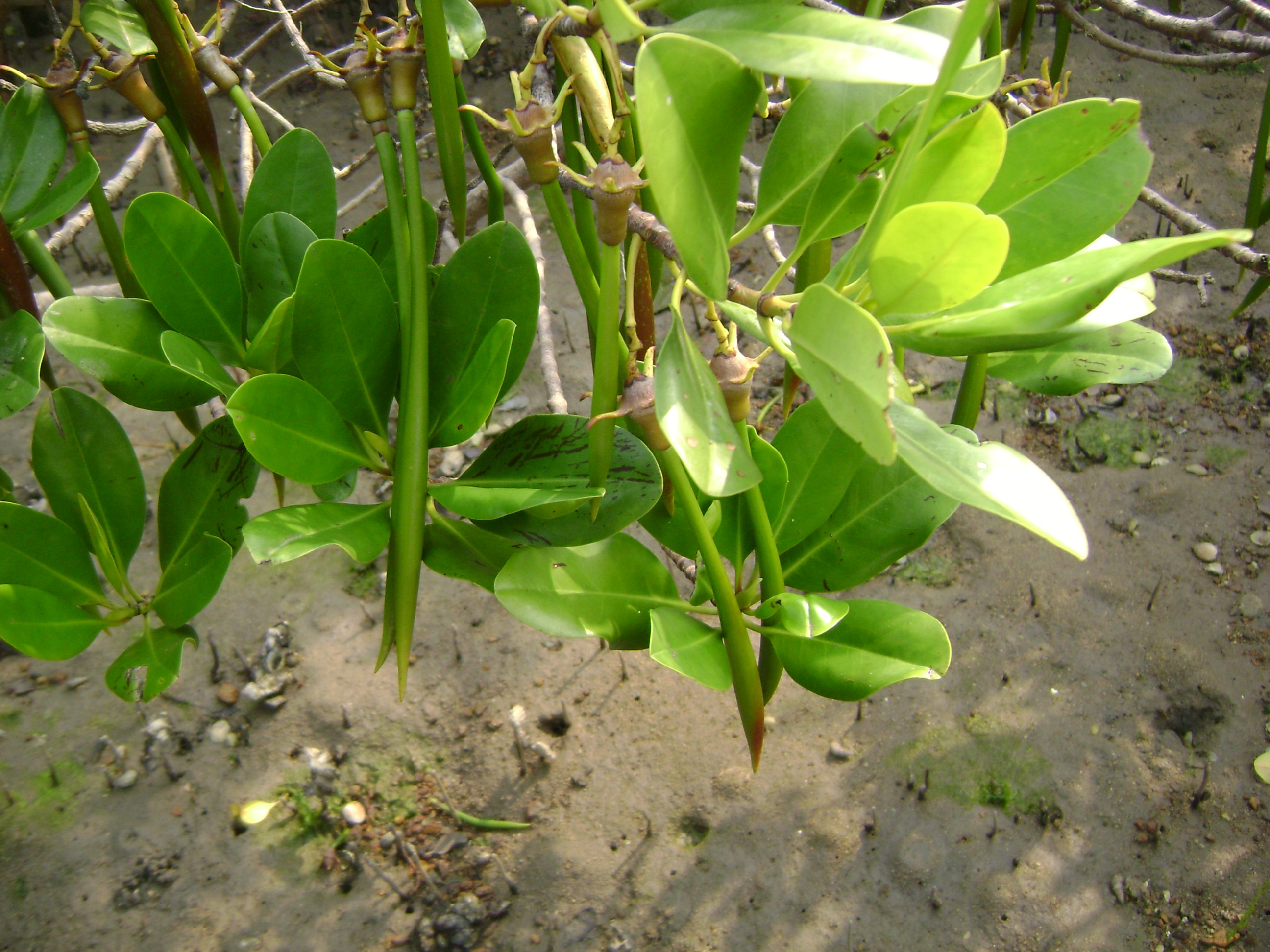
Mangroves are trees and shrubs that grow in salty or brackish water on tropical and subtropical coasts. In Fujian one of the main species is Kandelia obovata, a mangrove of the Rhizophoraceae family found in southern China, Hong Kong, Taiwan, Japan and Vietnam. Its seeds germinate while still attached to the parent tree; the young seedling, or propagule, drops into the water after three to six months and can float for long distances before rooting in mud. The species is planted in large numbers to check winds, control sand and protect dikes.
The Food and Agriculture Organization of the United Nations (FAO) put the global extent of mangroves at 14.8 million hectares in 2020, in its 2023 assessment. Between 2000 and 2020, 677 thousand hectares were lost, partly offset by 393 thousand hectares of expansion, for a net loss of 284 thousand hectares. The FAO named aquaculture, agriculture, urban development and infrastructure as uses to which mangroves continue to be converted, along with natural retraction that is at least partly a likely consequence of climate change. The largest mangrove areas are in South and Southeast Asia.
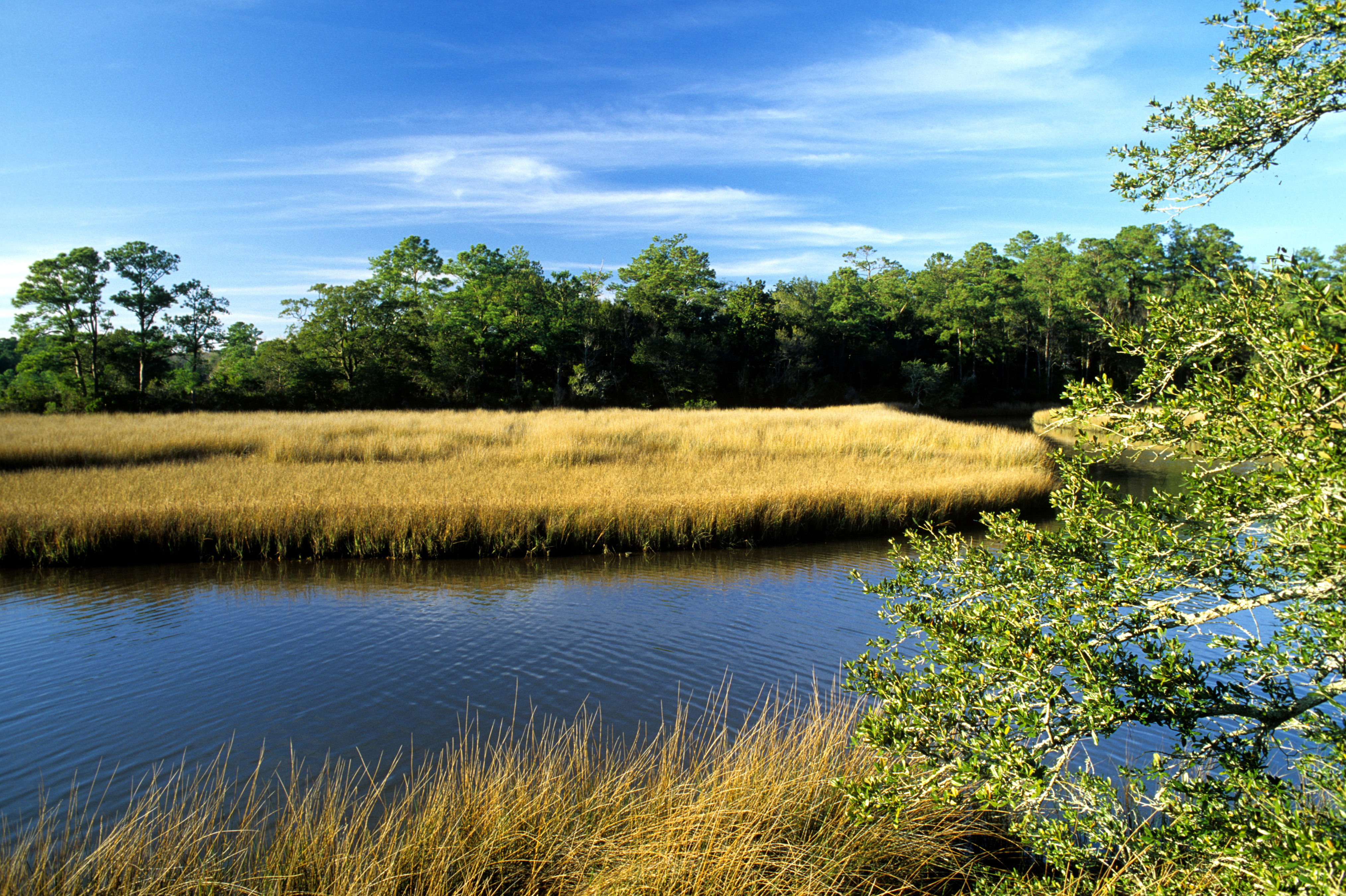
The ADB release did not name the invasive plants the project would remove. The Ramsar record for the Minjiang estuary names one: smooth cordgrass, Spartina alterniflora (now also classified as Sporobolus alterniflorus). The grass is native to the Atlantic coast of the Americas, from Newfoundland to northern Argentina. In China it was planted deliberately from 1979, using plants from several North American locations, to protect shores and capture sediment, and it spread to more than 34,000 hectares in ten provinces and Hong Kong, the largest invasion of the species in the world. Dense meadows of the grass crowd out native plants and cover open mudflats, so the small animals that live in the mud disappear and the birds that feed on them lose food.
Farmers, fish ponds and eco-compensation
Much of the land around the two reserves is worked by farmers and fish and shellfish growers. The project's plan for the more than 630 hectares of farmland and aquaculture is to shift them to practices that are sustainable and friendly to wildlife.
To pay for that shift, the ADB said an "innovative eco-compensation mechanism" would give local farmers financial incentives to adopt sustainable practices, "with partial repayments released as livelihoods improve". The release did not give the size of the payments. In the Jagonews24 report the farming part was rendered as farming and irrigation, and the payment arrangement as money redistributed among farmers; the ADB's own wording is farming and aquaculture, and partial repayments released as livelihoods improve.
The bank had used a similar tool a year earlier. When it approved a $150 million loan equivalent for wetland restoration at South Dongting Lake in Hunan province on 5 December 2024, it said that project would set up an eco-compensation mechanism to encourage farmers to adopt eco-friendly farming and aquaculture, kept going by contributions from income such as eco-tourism and the commercial harvesting of reeds from the lake.
The East Asian-Australasian Flyway
A flyway is the route a group of migratory birds follows between its breeding and non-breeding grounds. The East Asian-Australasian Flyway runs from the Arctic breeding grounds of Russia and Alaska through eastern Asia, including China, Japan, Korea and Southeast Asia, to Australia and New Zealand. When it launched its flyway programme in October 2021, the ADB said more than 50 million migratory waterbirds of more than 210 species depend on the flyway's wetlands for food and shelter, and that nearly 200 million people rely on those wetlands for food, clean water, flood regulation and other services.
In an article of 12 November 2025, two weeks before the Fujian approval, the bank described the flyway as spanning 22 countries and supporting nearly 500 bird species, and said that over the past 300 years 87 per cent of the wetlands in the region had disappeared, putting one in five bird species at risk. It called the flyway one of the world's most threatened migratory routes.
Shorebirds such as sandpipers depend on a chain of mudflats along the route, where they rest and feed to build up the energy for the next leg. The spoon-billed sandpiper, one of the birds the Ramsar record lists at the Minjiang estuary, is also among the eight sandpiper species recorded in Bangladesh, all of them migratory, according to Banglapedia, which describes its unique spatula-shaped bill. The same small wader is thus recorded both at the Minjiang estuary and in Bangladesh.
The Regional Flyway Initiative
The ADB launched its Regional Flyway Initiative on 14 October 2021 at an event of the 15th Conference of the Parties to the Convention on Biological Diversity, held in Kunming, China. With the East Asian-Australasian Flyway Partnership secretariat, BirdLife International and other partners, the bank said it aimed to raise $3 billion over ten years to protect priority wetlands along the flyway, with a long-term vision of supporting the protection and sustainable management of at least 50 priority sites. A $1 million technical assistance grant was to identify the sites and develop a sustainable financing mechanism.
By November 2025 the bank said the initiative had identified about 150 high-priority wetland sites in 11 of its developing member countries, with pilot work in Cambodia, China and the Philippines. It proposed five investment models: habitat restoration, sustainable agriculture, sustainable aquaculture, pollution prevention and water management, and ecotourism.
The first flagship investment under the initiative was the Hunan South Dongting Lake Wetland Ecological Restoration and Sustainable Development Project, approved on 5 December 2024. Dongting Lake is China's second-largest freshwater lake, and an ADB environment specialist described the project as restoring 12,000 hectares of wetland habitat there. The release of 27 November 2025 called the Fujian project the second flagship project approved under the initiative, and said it closely aligned with China's national climate commitments and its strategies for coastal and wetland conservation.
The ADB, founded in 1966, is a multilateral development bank owned by 69 members, 50 of them from Asia and the Pacific, according to the release.
Global biodiversity targets
The project's aims match several targets in the Kunming-Montreal Global Biodiversity Framework, which the parties to the Convention on Biological Diversity adopted on 19 December 2022. Target 2 asks that by 2030 at least 30 per cent of degraded land, inland water, coastal and marine ecosystems be under effective restoration. Target 3 asks that at least 30 per cent of land, inland water, coastal and marine areas be effectively conserved through protected areas and other area-based measures. Target 6 calls for eliminating, minimising or reducing the impacts of invasive alien species, including by eradicating or controlling them in priority sites. Target 11 calls for restoring and enhancing nature's contributions to people, among them protection from natural hazards and disasters, through nature-based solutions and ecosystem-based approaches.
The CBD secretariat's guidance on Target 6 describes invasive alien species as one of the main direct drivers of biodiversity loss, competing with native species, preying on them or bringing disease, and changing the structure of ecosystems. The International Union for Conservation of Nature (IUCN) defines nature-based solutions as actions to protect, sustainably manage and restore natural or modified ecosystems that address societal challenges effectively and adaptively, while providing benefits for both people and biodiversity. Mangrove restoration is a common example: mangroves soften the force of waves and wind on coastal settlements, store carbon, shelter young fish and help control coastal erosion.
The ADB said the Fujian project would contribute to regional and global public causes such as biodiversity conservation and climate adaptation.
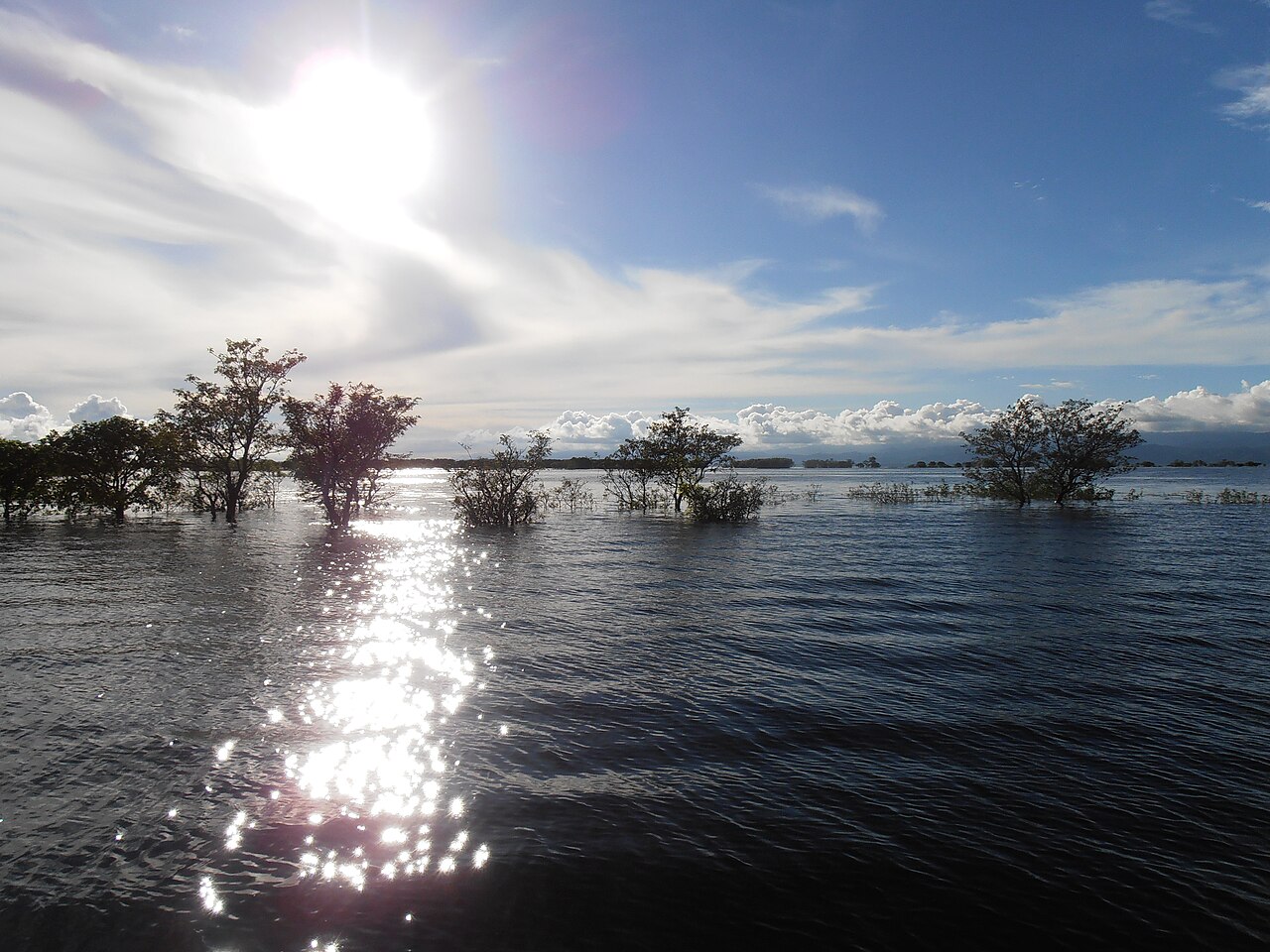
Photo: Qgg / Wikimedia Commons (CC BY-SA 3.0)
Sources: Jagonews24, Asian Development Bank (news releases of 14 October 2021, 5 December 2024 and 27 November 2025; article of 12 November 2025), Ramsar Sites Information Service, Food and Agriculture Organization of the United Nations, Convention on Biological Diversity, Banglapedia, Wikipedia
Comments
(0)