
Building on foundations laid in the Umayyad period, the Abbasid Caliphate (750-1258 CE) gave agriculture and irrigation a more institutional shape. In the history series of Amar Desh's literary supplement, Zahid Hasan writes that to bring all of Iraq's uncultivated land under the plough and supply clean water to the main cities, the Abbasids controlled the waters of the Euphrates and spread them far through branches and canals.
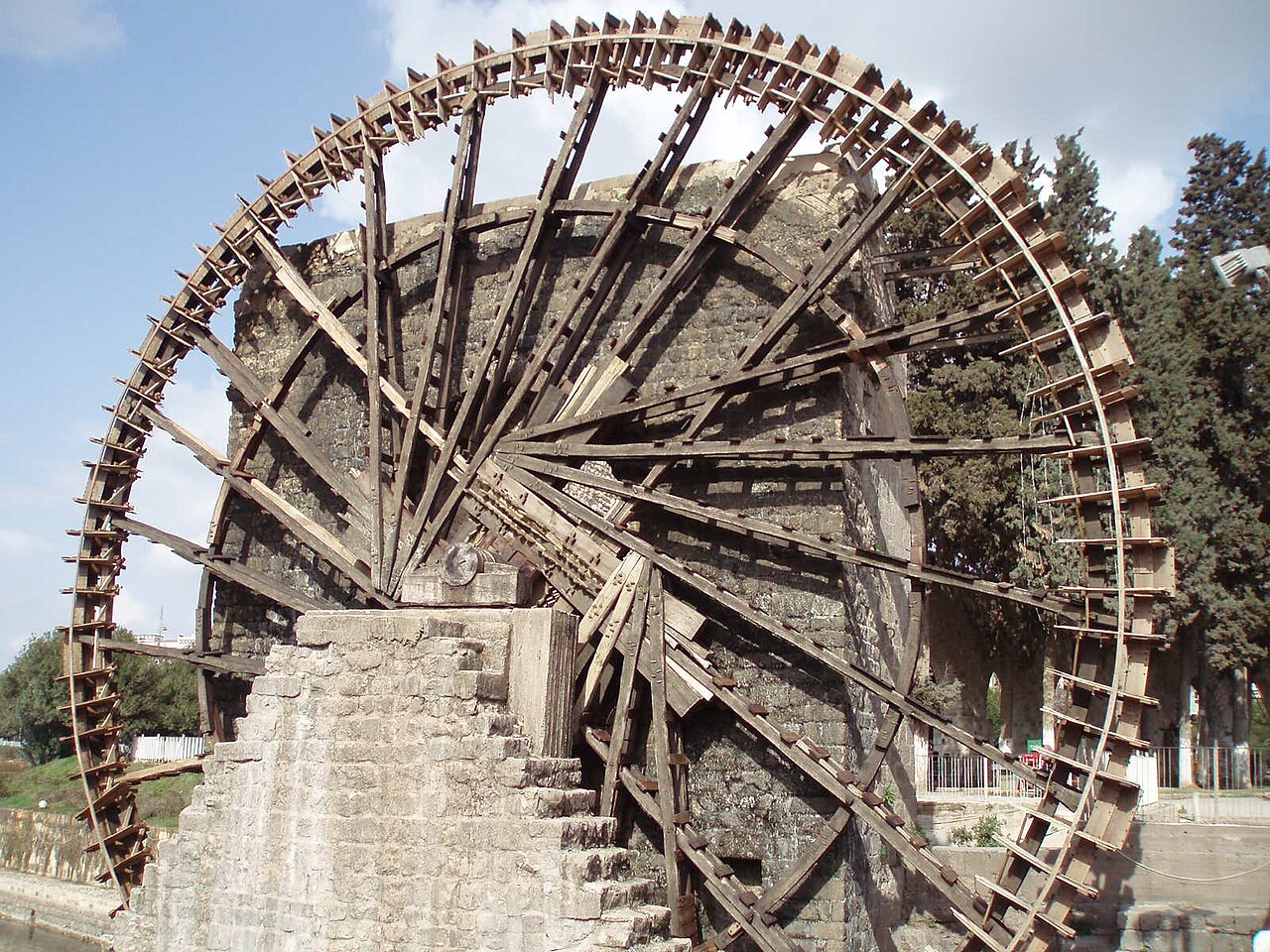
According to the article, two dams were built on the Qulayn and Bazazin rivers to water Baghdad's gardens, others on the Isa and Khayr, and a vast network of artificial channels was created by linking the Tigris to the Nahrawan canal system. In the ninth century, when the Tigris fell at Samarra, an underground canal was dug to bring water from about 40 km upstream, lifted by norias, or water wheels, into gardens and ponds.
The caliphs, the writer says, made farming a top priority: they studied plant types and soil suitability, began using fertilisers suited to different crops and lightened the tax burden on farmers. Caliph al-Mansur began translating Greek works on agriculture and botany into Arabic, and Harun al-Rashid later brought scholars from India and Persia to translate more.
In this period cotton, sugar cane and mulberry spread in parts of al-Andalus and Sicily. Al-Andalus was known for wheat and barley, and for oranges, pears, apples, figs, grapes, pomegranates and peaches; bananas, rice, sugar cane and olives were grown in various regions.
The most organised form of Muslim-era farming and irrigation, the article says, was in al-Andalus. Land used since Roman times only as rough pasture became, within decades of 711 CE, some of Europe's most fertile farmland, driven by irrigation technology from Arab and Persian sources: purpose-built canals, animal-powered saqiya wheels and norias.
Photo: DAVID HOLT / Wikimedia Commons (CC BY-SA 2.0)
Source: Amar Desh



Comments
(0)