
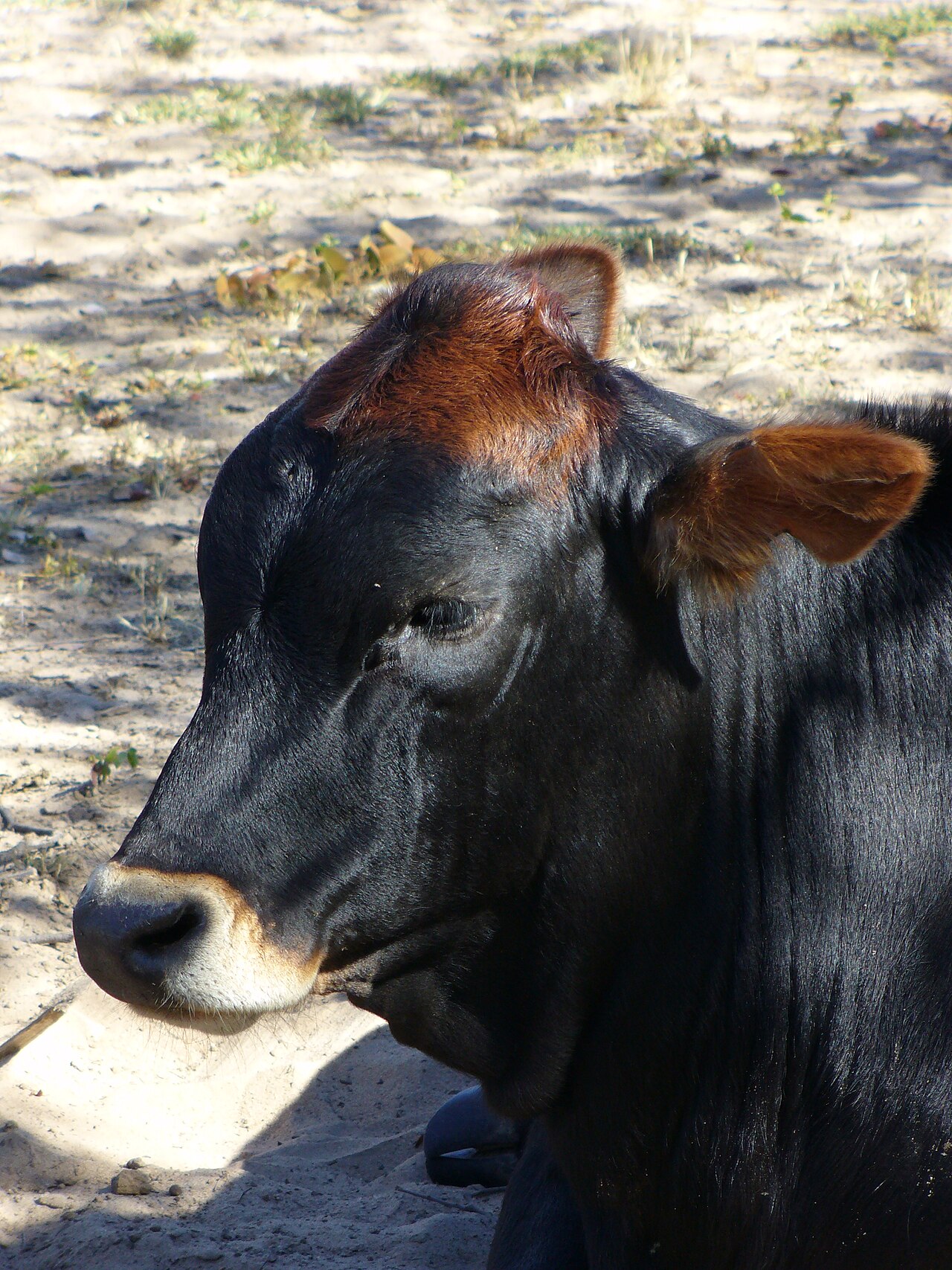
A year after its abattoirs stood largely idle, Zimbabwe's state-owned Cold Storage Company (CSC) is slaughtering about 150 cattle a day at its flagship plant in Bulawayo, Farmer's Weekly reported. The plant can handle 320 a day, and the plan is to raise capacity to 800 once the company's revival is complete.
CSC went into corporate rescue in 2020 amid allegations of poor management and corruption and came out in October 2025 after a US$9.3 million capital injection from the Mutapa Investment Fund (MIF), Zimbabwe's sovereign wealth fund, which owns it outright. The money paid creditors and fixed the Bulawayo plant, including new chillers, MIF deputy chief investment officer Ernest Denhere told agriculture minister Dr Anxious Masuka during a visit on 4 November.
CSC is now seeking up to US$15 million to buy cattle for slaughter as part of its El Niño risk planning, and US$10 million in working capital for 2027. Its model is to buy cattle from communal farmers, who own about 60% of the national herd of 5.6 million, fatten them at its 5,000-head Willsgrove feedlot and slaughter them in Bulawayo, giving farmers a buyer for lean animals they might otherwise sell cheaply in a drought.
The timing matters. Zimbabwe's Cabinet says 2.2 million cattle are at risk from drought, and Masuka said below-normal rains are expected in the 2026/27 season, putting farmers in Matabeleland, Masvingo and Midlands under pressure to panic-sell. "Our advice [to farmers] is to bring [their cattle] through the CSC facilities," he said. The government sees CSC, which is also reviving 170,000ha of ranches, as a drought-mitigation tool.
Denhere said the company wants to move into canning and tanning to capture the whole beef value chain, and will strengthen its management. Exports will come later, once the domestic market is secure: CSC is now halal certified and is working on biosecurity and traceability, with the EU, Asia and the Middle East as eventual targets. Masuka said CSC also has a small-stock line for goats and sheep and may process poultry in future.
Reporting by Clemence Manyukwe for Farmer's Weekly.
Photo: Neelix / Wikimedia Commons (public domain)
Source: Farmers Weekly South Africa


Comments
(0)