
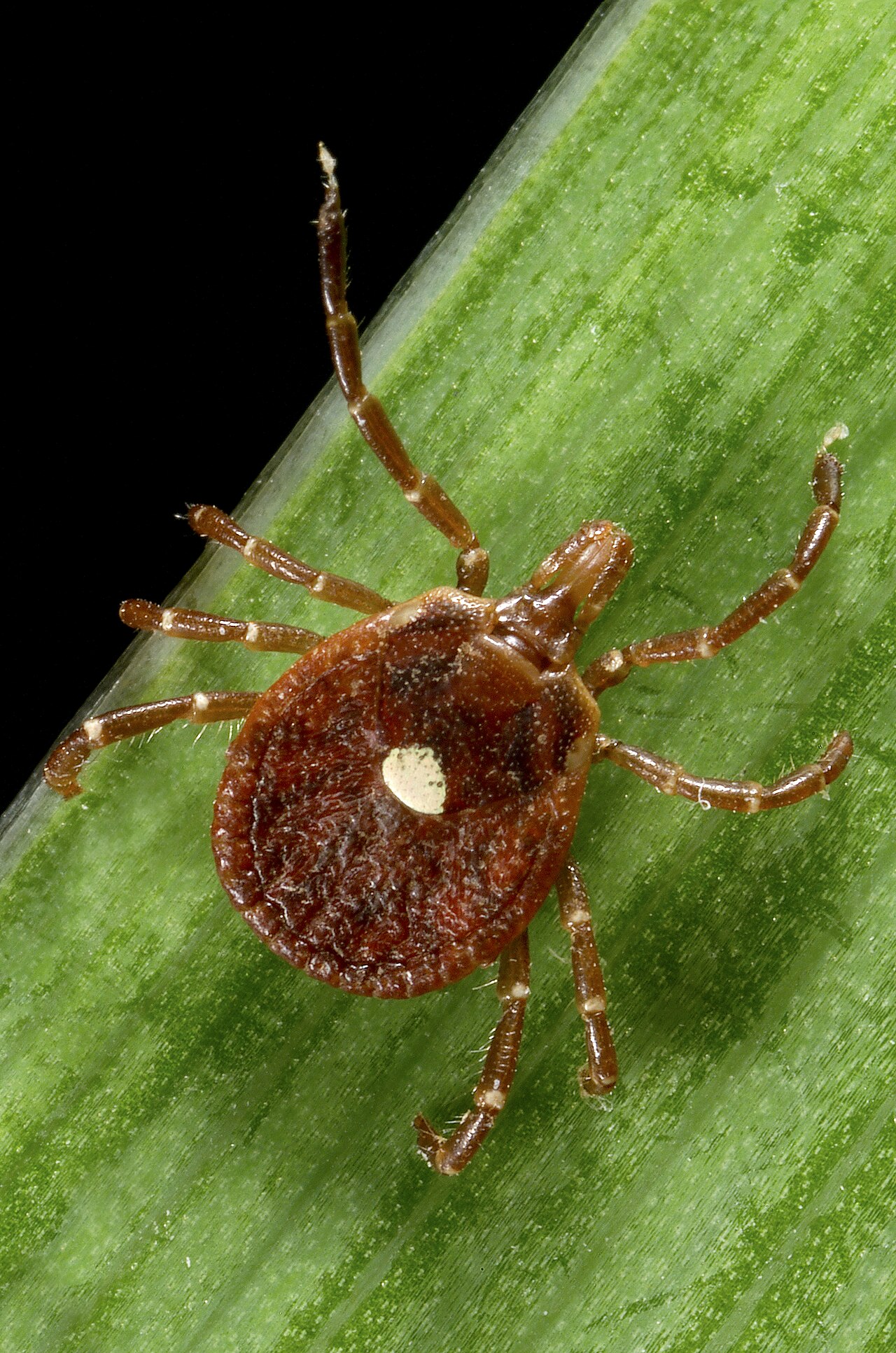
Alpha-gal syndrome, an allergy to red meat linked to tick bites, is costing some American farmers and ranchers their livelihoods, according to the first peer-reviewed study of the condition among agricultural workers, Farms.com reported. Some of those affected said they had hired extra workers, ended their livestock operations or left farming altogether.
Shaun Cross, PhD, an assistant professor in the University of Nebraska Medical Center's Department of Environmental, Agricultural, and Occupational Health, surveyed more than 200 farmers and ranchers from 26 states, many of them in Missouri and Oklahoma. The study, in the Journal of Agromedicine, asked about tick exposure, knowledge of the condition, symptoms and the road to diagnosis.
Diagnosis was slow. Participants saw a healthcare provider three times on average before being diagnosed, and some needed more than 10 appointments; general practitioners and allergists made most diagnoses. The researchers identified four groups of symptoms and found differences between men and women.
In the United States the allergy is mainly tied to bites from the lone star tick, whose range has spread beyond the South-east into areas that used to be too cold for it. The Centers for Disease Control and Prevention estimates nearly 500,000 Americans have the condition. "Farmers and ranchers are at an increased risk of exposure to ticks from working outdoors," Cross said, urging rural healthcare providers in particular to learn to recognise the symptoms and their consequences for people's work.
"The idea of a person shutting down a farm that's been in their family for generations because of this new diagnosis, I can only imagine what that feels like," he said. Cross presented the findings at a national meeting on an alpha-gal strategy in Washington, D.C., on 27-28 October 2026.
Photo: James Gathany, CDC / Wikimedia Commons (public domain)
Source: Farms.com
Comments
(0)