
Bangladesh has a national strategy for preventing and controlling dengue that sets out what each agency must do, but three years on there is no visible progress in carrying it out. Gaps remain in mosquito control, patient management, surveillance and coordination between agencies. Meanwhile dengue deaths this year have passed 500, the third highest toll in the country's history.
According to the Directorate General of Health Services, three more deaths in the 24 hours to the morning of 16 November took the year's total to 502. In the same period 1,598 people were admitted to hospital, bringing the year's admissions to 164,107. Dengue killed 413 people in 2025, 575 in 2024 and a record 1,705 in 2023.
Public health experts say the official figures are mainly hospital-based and leave out people treated or dying at home, so the true numbers may be much higher. Data from the health directorate and the World Health Organization show that in the 23 years to 2022, about 250,000 people were admitted to hospital with dengue and about 850 died.
Public health expert Professor Abu Jamil Faisal said that after more than two decades the government has not controlled the disease as hoped, and most of its effort is focused on treatment. Aedes mosquito behaviour has changed and dengue is no longer confined to one season, he said, so scattered mosquito killing will not work; what is needed is coordinated, sustained action.
In June 2023 the Communicable Disease Control programme of the health directorate drew up the national dengue prevention and control strategy for 2024-2030. It aims to bring cases below 100 per 100,000 people by 2030, and calls for training doctors, nurses and health workers, making integrated mosquito control permanent, and real-time surveillance and data sharing.
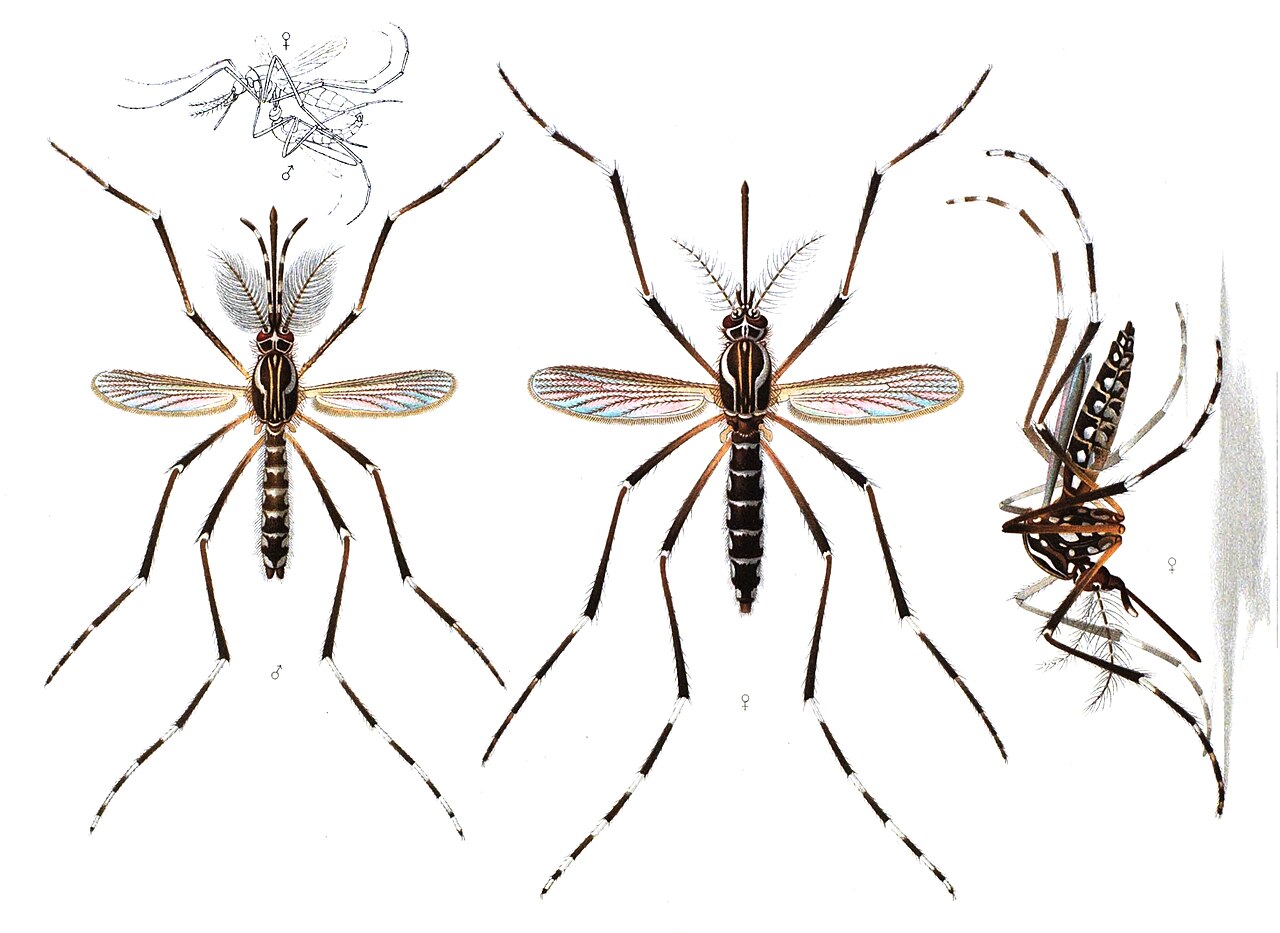
Photo: Emil August Goeldi / Wikimedia Commons (Public domain)
Source: Samakal

Comments
(0)