
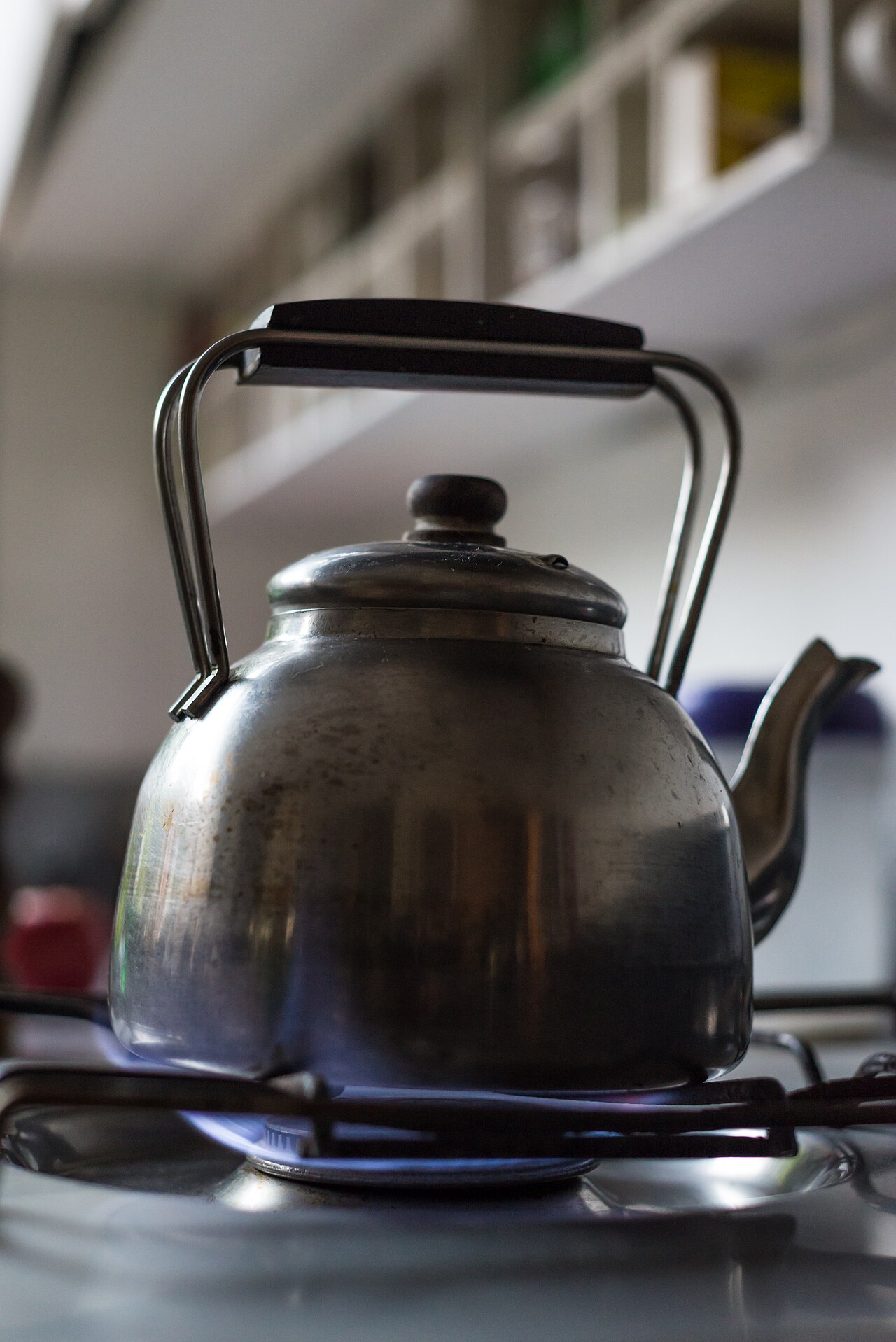
A healthy gas-stove flame is blue. If it stays orange or yellow, the gas is not burning completely, and the stove can put carbon monoxide into the room. The advice comes from a feature by Shiuli Sultana in Kishor Alo, Prothom Alo's youth magazine, drawing on Reader's Digest.
Natural gas burning properly gives a blue flame, sometimes with a faint white tip; with liquid propane a slight yellow tip is normal. Blue means complete combustion, with the fuel turned into heat, water vapour and carbon dioxide, and the flame can reach about 1,927 degrees Celsius (3,500 degrees Fahrenheit).
A dirty burner, blocked ports or a poor mix of gas and air turns the flame orange or yellow. According to the feature, a stove in good order leaves 5 to 15 ppm of carbon monoxide around it, while a faulty one can produce 30 ppm or more. The gas has no colour or smell and is most dangerous to children, older people and anyone with breathing problems. Faulty stoves also give off more nitrogen dioxide and benzene, and need more gas for the same heat.
Citing a study in the International Journal of Environmental Research and Public Health, the feature says about 13 percent of childhood asthma in the United States is linked directly to gas stoves. Leaving a burner lit all day wastes gas and adds to the risk.
A little orange now and then can come from dust or minerals in the air burning off. A red flame can point to poor-quality gas, and a pink or purple one to potassium in the vapour from a humidifier, which is harmless.
What to do: turn off every knob, lift off the burner caps and heads, and clear the ports with a paper clip, never a wooden toothpick that can snap inside. Do not soak the parts; wipe them with a lightly damp cloth and let them dry completely before refitting. If the flame is still yellow or orange, or there is any smell of gas, stop using the stove and call a technician.
Photo: Federico Cardoner / Wikimedia Commons (CC BY 2.0)
Source: Prothom Alo



Comments
(0)