
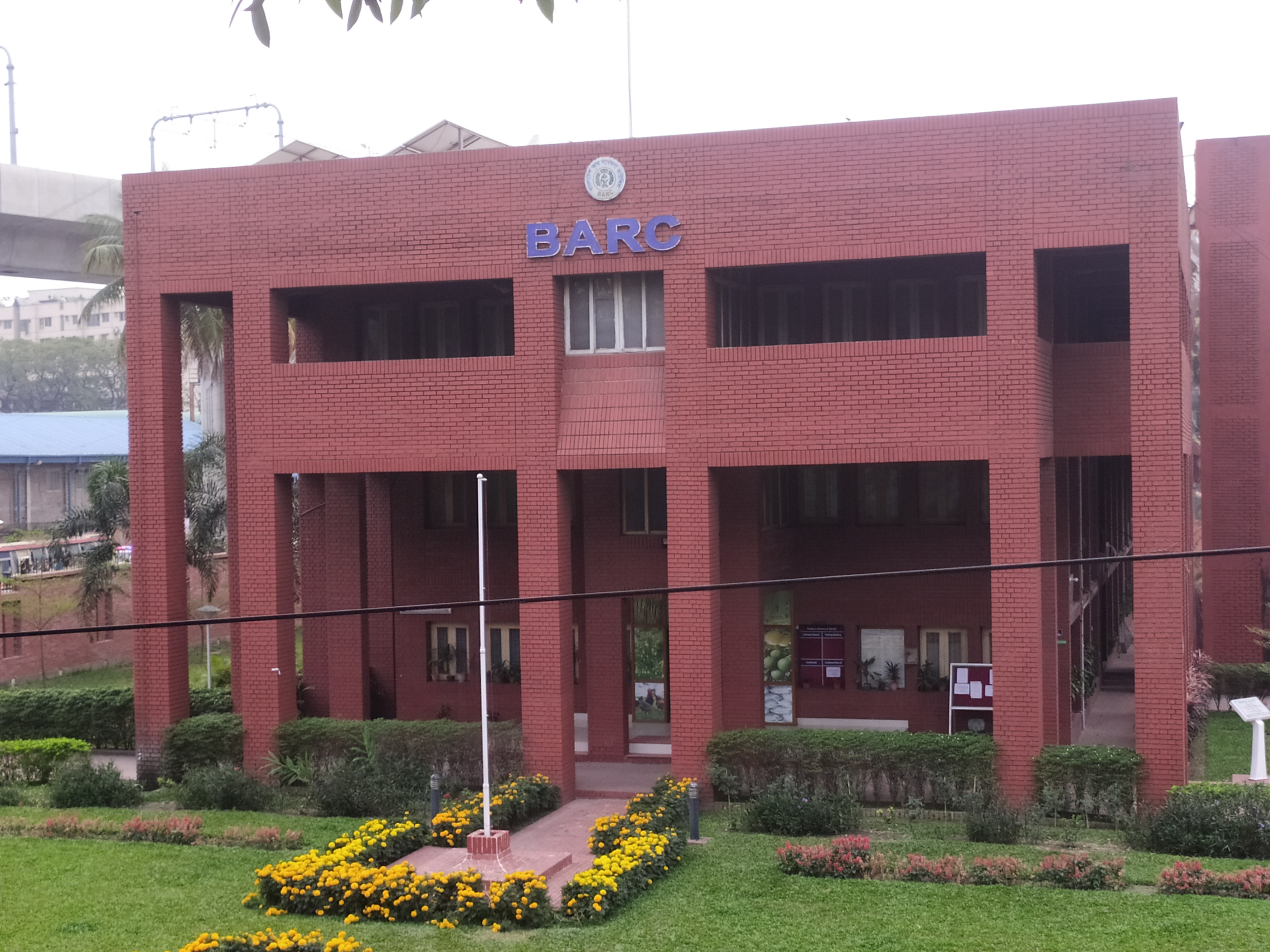
Bangladesh's Food Secretary Md Masudul Hasan stressed the role of agricultural research in the country's food security at a World Food Day event in Dhaka on the morning of Thursday 16 October 2025. Speaking as chief guest at a discussion in the auditorium of the Bangladesh Agricultural Research Council (BARC) at Farmgate, he called on researchers, teachers, students and everyone involved in agriculture to work so that the results of research reach farmers. The event was organised by the Ministry of Agriculture and the Food and Agriculture Organization of the United Nations (FAO).
According to Jagonews24, the discussion was chaired by Md Abu Zubair Hossain Bablu, additional secretary at the Ministry of Agriculture. The special guests were Abu Taher Muhammad Jaber, secretary of the Ministry of Fisheries and Livestock; Dia Sanou, the FAO's representative in Bangladesh; and Dr Valentine Achancho, Bangladesh representative of the International Fund for Agricultural Development (IFAD). Prothom Alo reported that BARC's executive chairman, Nazmun Nahar Karim, gave the welcome address and that Professor A H M Saiful Islam of Bangladesh Agricultural University presented the keynote.
The food secretary on farmers, research and markets
Prothom Alo reported that the food secretary credited farmers and agriculturists with the main role in the country's success in farm production, and said producers had very little connection with the market. To describe farmers' position, he cited the Hason Raja song "Porer jayga porer jomi" ("someone else's place, someone else's land"). Jagonews24 reported that he urged agricultural university researchers, teachers and students to make sure research findings reach farmers in the field.
Climate risk, new silt land and food waste
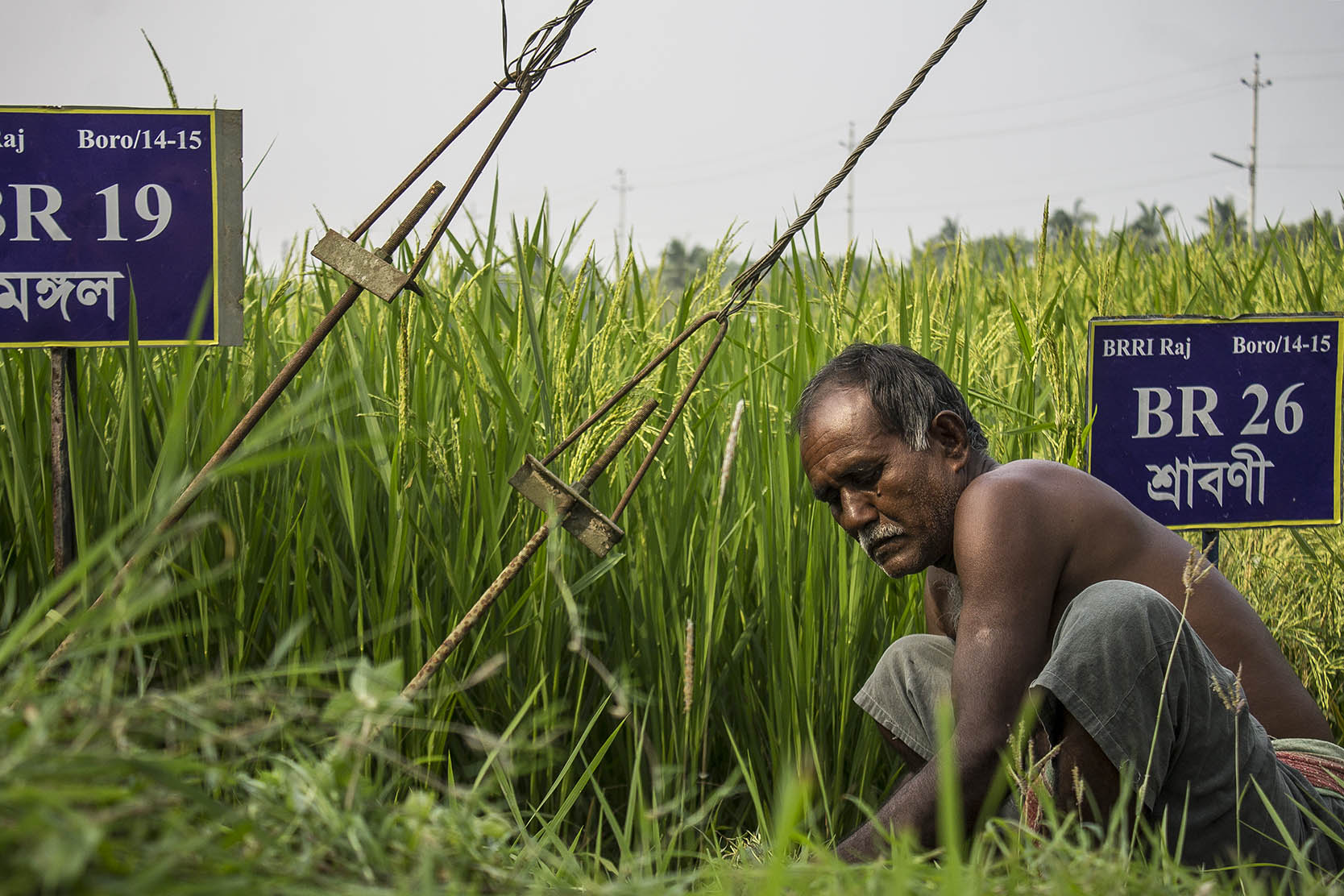
According to Jagonews24, Additional Secretary Md Abu Zubair Hossain Bablu, in his address as chair, stressed mutual cooperation and said food production had to continue while the risks of climate change were tackled. "Our sea level is gradually rising, but silt is also forming new land. If we can use this land, there will be no crisis," he said. He added that globalisation had increased both food demand and supply, and that food security would be ensured if everyone worked together.
Prothom Alo reported that Khandakar Md Iftekharuddaula, a scientist at the Bangladesh Rice Research Institute (BRRI), told the meeting that about 76 percent of the country's land was of fairly low fertility and that this share was growing, and that food waste averaged 82 kg per person a year. In a disaster-prone country, he said, no single institution could ensure food security alone; teachers, researchers, the government and farmers all had to work together.
The fisheries secretary on hilsa prices and feed
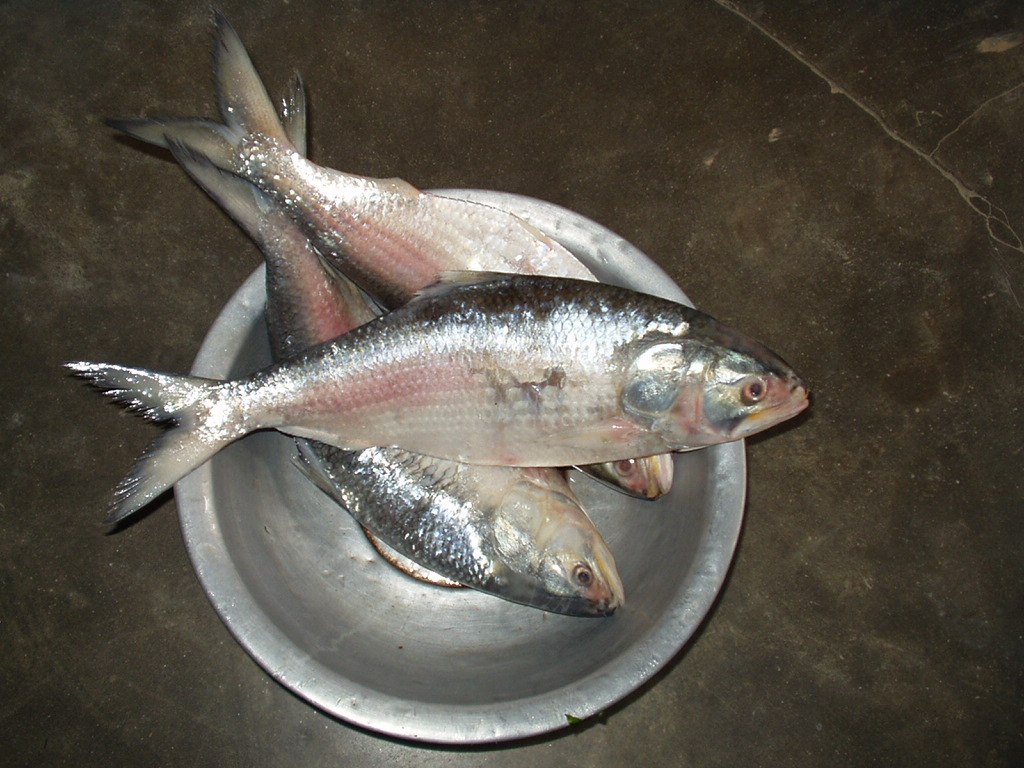
According to Prothom Alo, Fisheries and Livestock Secretary Abu Taher Muhammad Jaber said he had not yet received a "good answer" to why hilsa was so expensive when producing it needs no stocking of fry and no feeding. He said the explanations he had heard were high fishing costs and middlemen, that the price doubled by the time the fish reached Dhaka, and that more work was needed on these questions. He also said that heavy use of fertiliser and pesticide meant paddy fields no longer produced fish, that research was needed on reducing their use, and that the cost of animal feed pushed up the prices of fish, milk and eggs.
World Food Day and the FAO's 80th year
World Food Day is held every year on 16 October to mark the founding of the FAO in 1945; the FAO's member countries established it at the organisation's 20th General Conference in November 1979. The FAO's theme for 2025 was "Hand in Hand for Better Foods and a Better Future", and the organisation was marking its 80th anniversary that year. The host, BARC, was set up in 1973 and is the body in charge of the country's National Agricultural Research System. The event ended with prizes for the winners of a World Food Day poster-drawing competition.
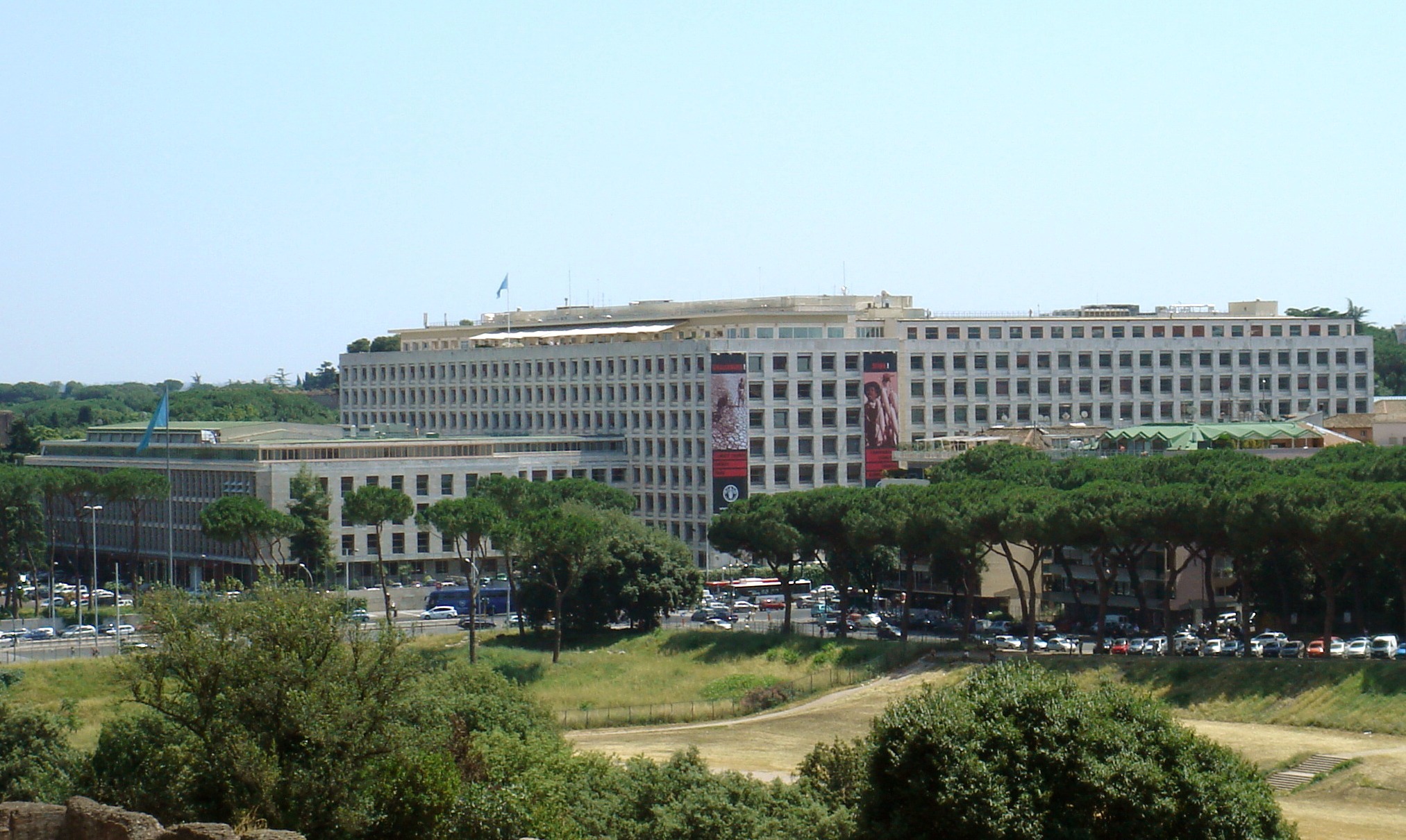
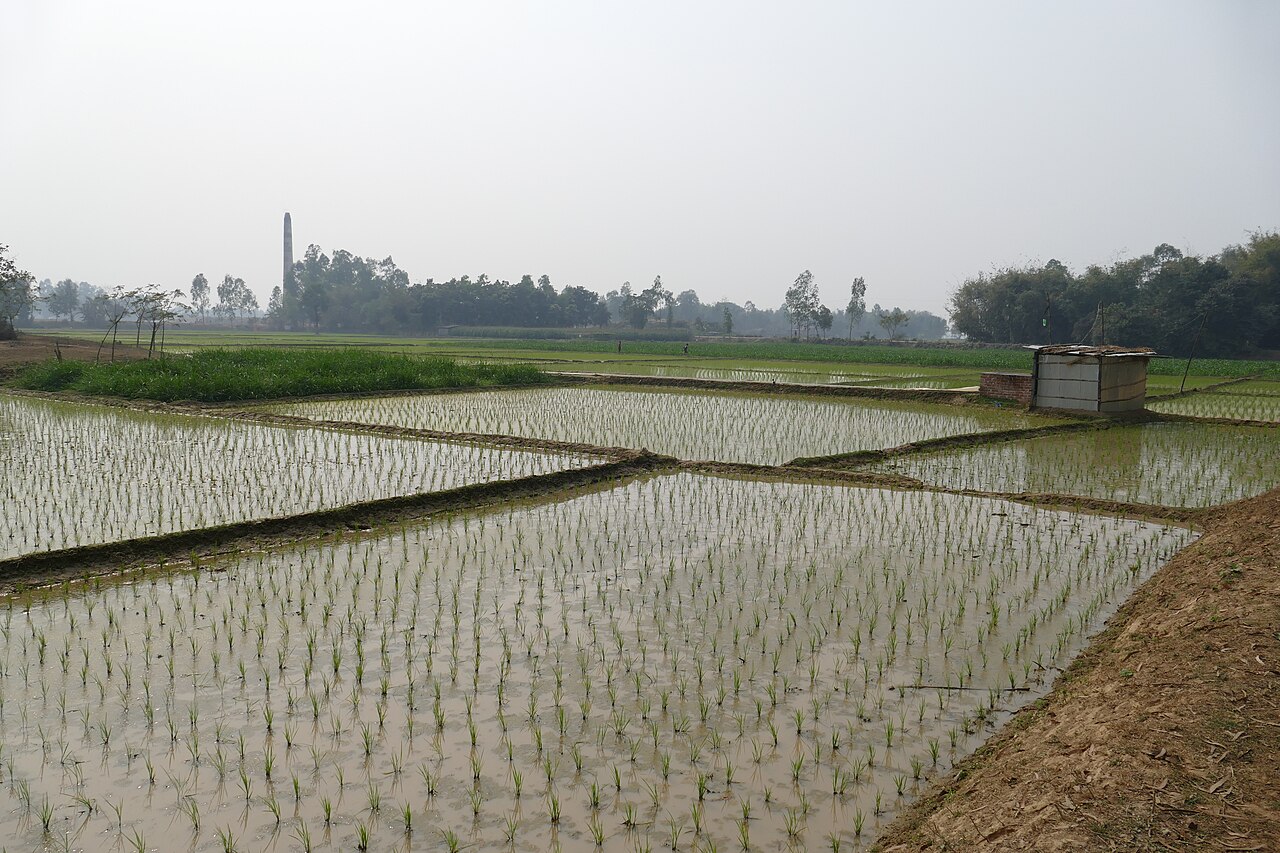
Photo: Md Joni Hossain / Wikimedia Commons (CC BY-SA 4.0)
Sources: Jagonews24, Prothom Alo, Food and Agriculture Organization of the United Nations (FAO), Wikipedia
Comments
(0)