
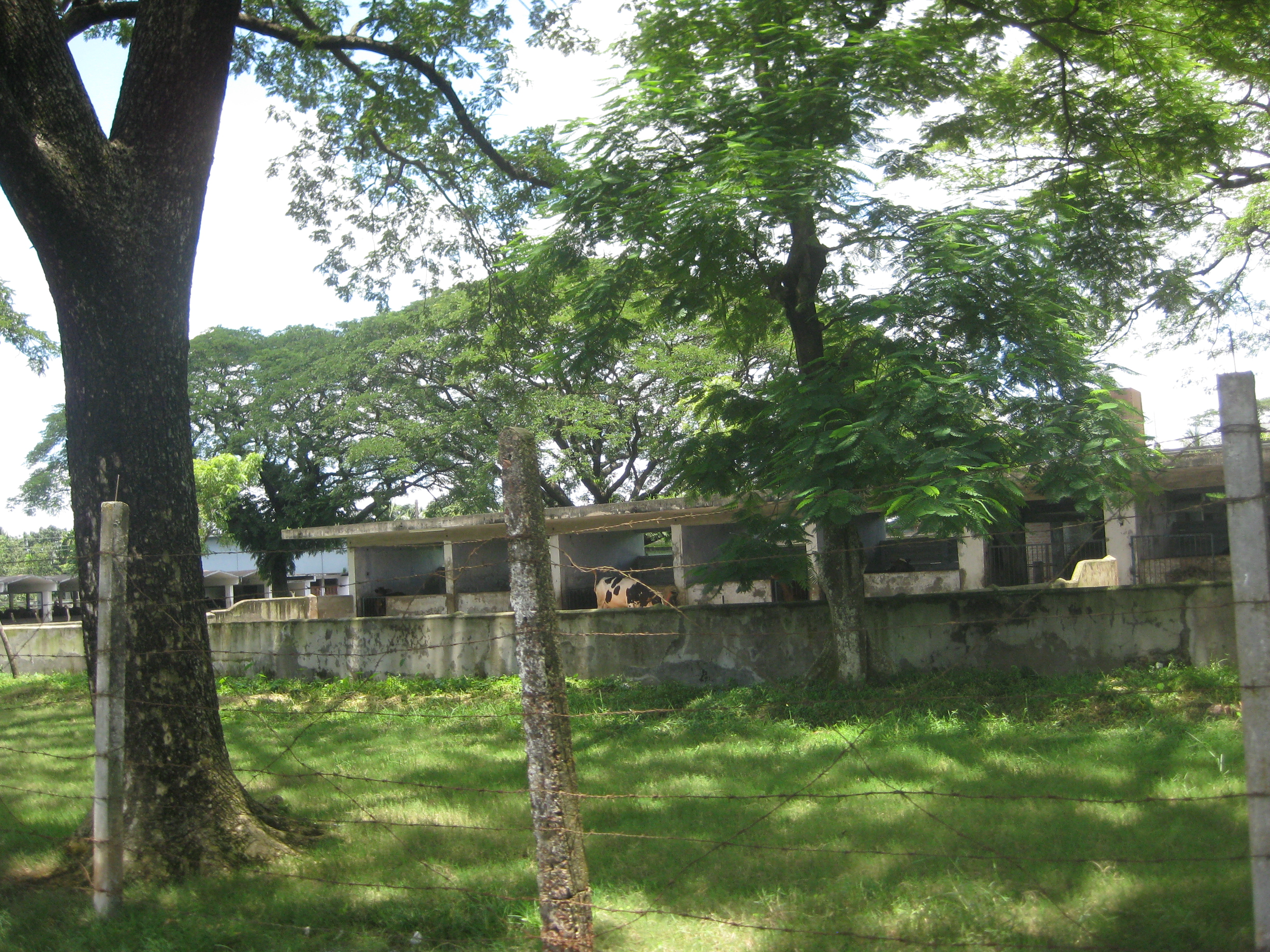
In the first days of January 2023, as cold and thick fog settled over Kurigram and Lalmonirhat in northern Bangladesh, a 60-year-old farmer in Char Kulaghat, a village on the Dharla river, told The Daily Star's Bangla edition that he could not feed his animals properly in the cold. Only three of his six cows had been giving milk for three months, and his daily yield had fallen from about 9 litres to between 5.5 and 6 litres. Kurigram's additional district livestock officer, Dr Yunus Ali, advised farmers to wrap their cattle in jute sacks and to cover their cowsheds with polythene.
Cold is only one of a winter shed's problems. On a night in March 2024 in Boalkhali, Chattogram, a torch lit inside a cowshed to drive away mosquitoes after a calf was born set fire to six sheds standing side by side. Two cattle died and 17 were burned, the upazila livestock officer told bdnews24.com.
This guide, first published by The Agro News on 1 November 2025 as winter set in, explains how to keep a cattle shed warm, dry and as free as possible of mosquitoes and flies: blocking cold wind without shutting off fresh air, keeping bedding dry, why biting insects matter, how to remove their breeding sites, and what research says about the dung-smoke method the original article described and the fire risk that comes with it.
Why the shed matters in winter
According to the Department of Livestock Services (DLS) publication Livestock Economy at a Glance 2023-24, Bangladesh had 250.13 lakh cattle and 15.24 lakh buffalo in 2023-24, and produced 150.44 lakh metric tonnes of milk against a demand of 158.78 lakh metric tonnes. In Lalmonirhat and Kurigram alone, The Daily Star's Bangla edition reported in January 2023, about three lakh families kept some 27 lakh cattle, goats and buffalo.
Government advice puts the shed at the centre of winter care. In advisories issued during the winter of 2018-19 with the livestock ministry, the Department of Agricultural Extension's agro-meteorological service (BAMIS) told farmers in Moulvibazar, Panchagarh, Nilphamari, Kurigram and Chuadanga to keep animals under sheds at night, to cover the openings of the shed with jute bags, and to keep the newborn calf and the cowshed clean and dry. A BAMIS bulletin of 2 January 2020 repeated that, with night temperatures falling, animals should be kept under a roof and given dry bedding.
Winter is also when mosquitoes build up. In February 2020 The Daily Star described November as the start of what entomologists in Dhaka call the 'Culex season', and quoted entomologist Dr Manzur Chowdhury as saying mosquito density would keep rising until a nor'wester hit the capital. That report was about the city, but Culex mosquitoes breed wherever dirty, stagnant water collects.

Blocking cold wind without shutting off fresh air
The simplest step is the one in the BAMIS advisory: cover the openings of the shed with jute bags so that cold wind does not blow straight onto the animals. The Kurigram officer added a polythene covering for the shed and jute sacks for the animals themselves.
A covered shed still needs air. A review of the research by Teagasc, Ireland's agriculture and food development authority, and University College Dublin, published by Teagasc on 18 March 2024, found that dust, ammonia, draughts and poor bedding management had the strongest evidence of raising the risk of respiratory disease in calf housing.
The reviewers defined a draught as air moving faster than 0.5 to 0.8 metres per second at the level of the calf, and said draughts are more likely in housing that is overly open or exposed. Yet ventilation, they wrote, is likely to be very important, because it reduces the build-up of ammonia, dust and germs in the air.
Ammonia is a noxious gas produced when bacteria break down urine in soiled bedding; prolonged exposure to high levels was linked to lung lesions in calves, and it can be avoided by good drainage and regular removal of soiled bedding. Dust, the review adds, builds up when ventilation is poor or feeds are dusty, and high dust levels were also associated with lung lesions. So the two pieces of advice work together: cover the openings against the cold wind where the animals stand and lie, but do not seal the shed so tightly that ammonia and dust collect.
A dry floor and dry bedding
Both BAMIS advisories ask for a clean, dry shed and dry bedding. The Teagasc review explains why. Deep, wet bedding under calves was associated with more respiratory disease, most likely because it produces more ammonia. Calves bedded so generously that their legs could not be seen when they lay down were protected, most likely because the bedding insulates them from the cold.
A dry floor also works against flies. A fact sheet by Cornell University's New York State Integrated Pest Management Program, posted in April 2009, says house flies breed in droppings, manure piles, spilled feed, bedding and other organic matter, while stable flies breed in wet straw and manure, spilled feed and decaying plants. Immature flies need 10 to 21 days in such material, so removing it every week breaks their life cycle. Its points for cattle housing are these:
- Clean out the pack of manure and bedding under the animals at least once a week.
- Where cows are tied in stalls, clean the gutters behind them daily.
- Clean out wet feed left in the mangers, and feed piled around silos, at least weekly.
- Spread manure and bedding taken out of the shed as thinly as possible so that it dries quickly, and fix drainage that lets manure mix with mud.
Why mosquitoes and flies matter for cattle
Biting insects are more than a nuisance. Lumpy skin disease (LSD), a viral disease of cattle and buffalo, reached Bangladesh in 2019. In a presentation to a World Organisation for Animal Health (WOAH) regional workshop in September 2024, the director of Bangladesh's Central Veterinary Hospital said LSD was first identified in the country in mid-2019, notified to WOAH on 15 September 2019 and later confirmed throughout the country. He said it is most common in the wet summer and autumn months, when blood-feeding insects emerge in large numbers, and listed vector control among the main difficulties in controlling it.
The Food and Agriculture Organization of the United Nations (FAO), in its 2017 field manual on LSD for veterinarians, says the disease causes nodules on the skin and is mostly transmitted by mosquitoes, other blood-feeding insects and flies; the stable fly and the Aedes aegypti mosquito have been shown able to spread the virus. LSD slashes milk production, may make bulls sterile and cause fertility problems in cows, damages hides, and can kill through secondary infections. A 2019 review in Virus Research by Sprygin and colleagues added that the common house fly may also play a role.
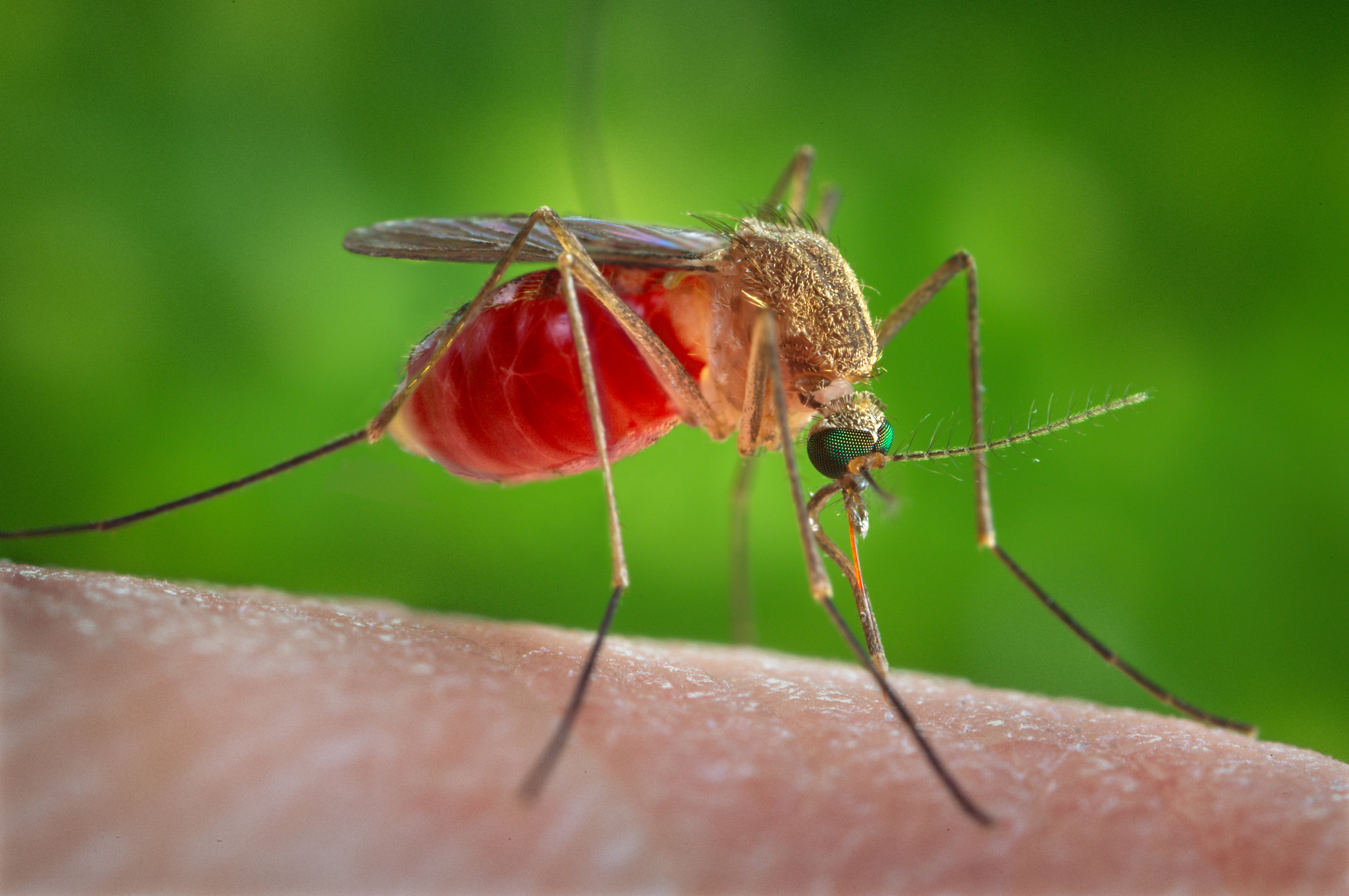
Flies do harm of their own. The Cornell fact sheet says stable flies, which look like house flies but have piercing mouthparts, feed on blood several times a day, mostly on the legs and belly; cows stamping their feet are a sign they are present. Production falls in infested herds because of the painful bites and the animals' tiredness from fighting the flies.
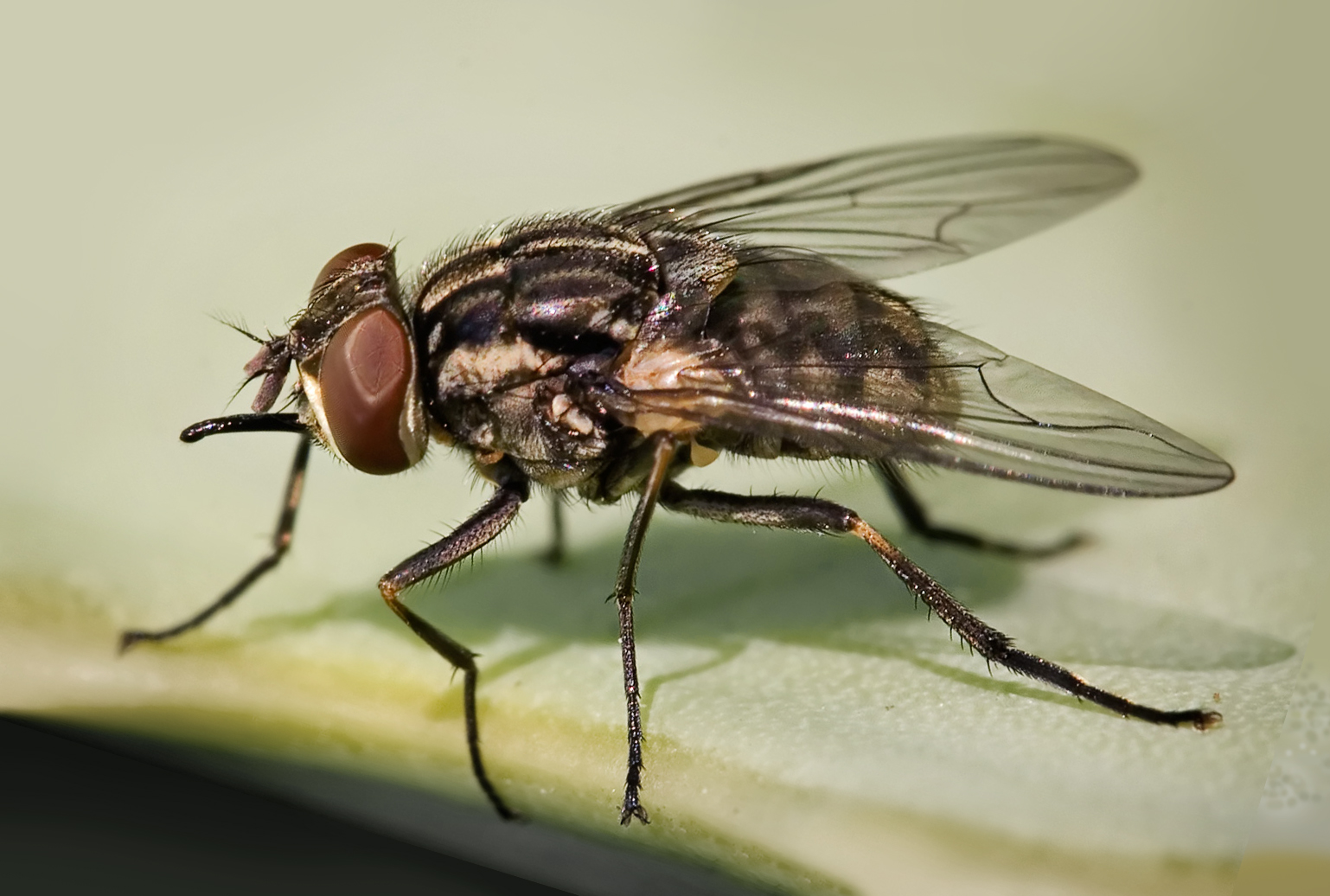
A stable fly takes about 21 days to grow from egg to adult, and a female lays 200 to 400 eggs. A house fly can complete its life cycle in 10 days in ideal summer conditions. House flies do not bite, but they can carry diseases and parasites, and severe infestations may raise bacterial counts in milk. Cattle are most troubled in the warm months, which is one more reason to clear breeding sites before the weather turns.
Removing breeding sites and keeping insects off
The FAO manual calls limiting breeding sites, such as standing water, slurry and manure, and improving drainage on the farm sustainable, affordable and environmentally friendly ways to reduce the number of insects around cattle. Around a shed in Bangladesh, that means water standing in drains, pits and containers, wet manure, soaked bedding and rotting feed.
Nets and repellents have limits. The manual says anti-mosquito nets can be considered where cattle are kept indoors all the time, that spot-on repellents protect cattle from insects and ticks only for short periods, and that insect control can reduce the spread of LSD but cannot fully prevent it. It names vaccination as the best protection; the WOAH presentation says cattle in Bangladesh are vaccinated with a goat pox vaccine produced by the Livestock Research Institute.
Against flies, the Cornell fact sheet recommends sticky tapes and ribbons for small to moderate numbers and protecting the beetles, mites and tiny wasps that already kill fly eggs, larvae and pupae in most barns. Insecticides sprayed on manure kill these allies too, so the fact sheet treats chemicals as a last resort, used strictly according to the label. This guide gives no insecticide or repellent doses: which product, if any, and how much, is a question for the upazila livestock officer or a registered veterinarian.
The dung-smoke method the original article described
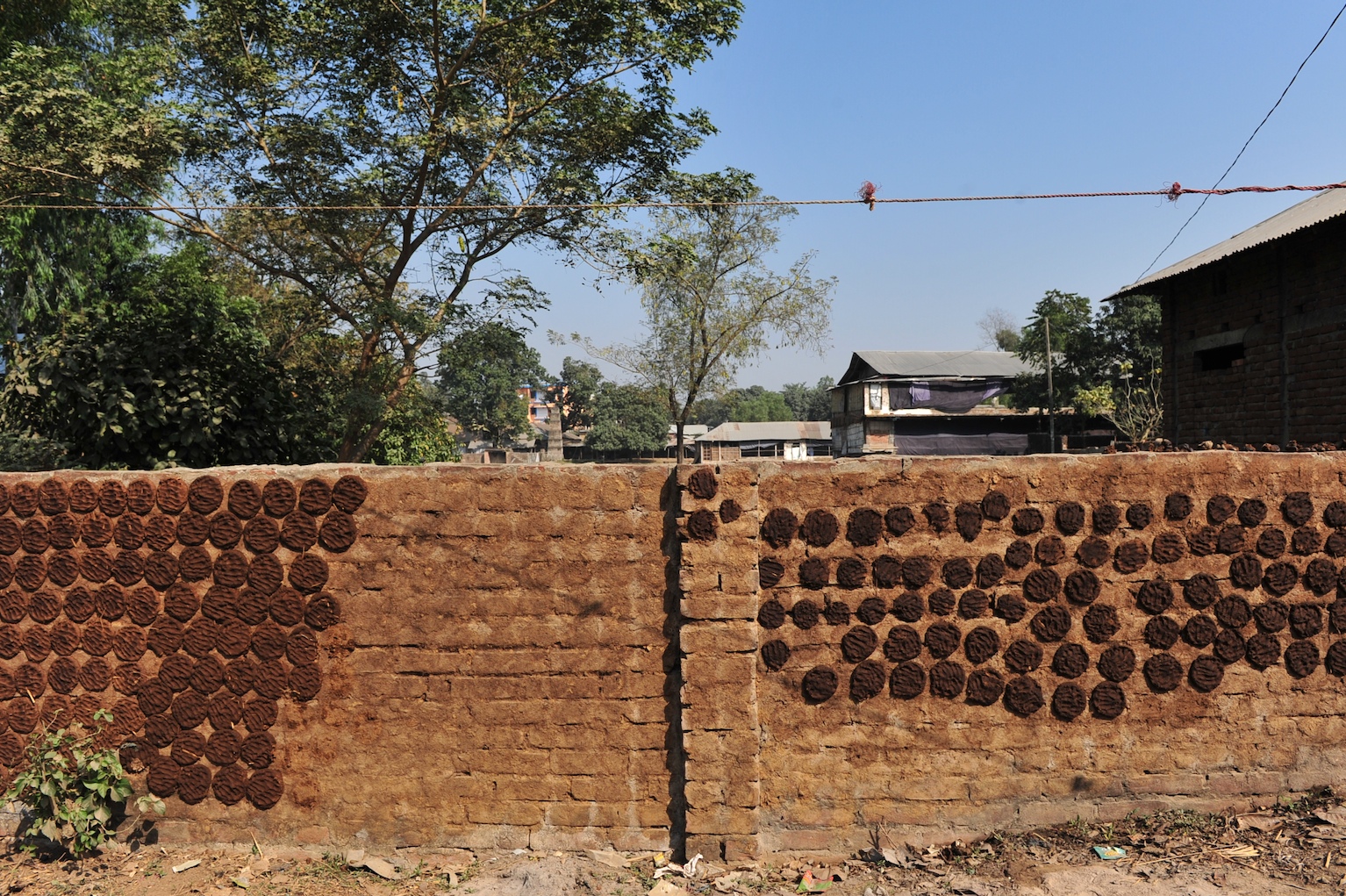
The original article offered a traditional way of keeping a shed warm and free of mosquitoes overnight: slow-burning cakes made of these ingredients:
- cow dung
- neem leaf powder
- used tea leaves thrown out by tea stalls
- eucalyptus leaf powder
- sawdust
The mixture was shaped into small cakes (ghute) and dried in the sun. The cakes were arranged in an earthen pot and lit with straw; once alight, the top cakes were sprinkled lightly with water so that they would smoulder through the night like a husk fire, giving off smoke. The article gave four precautions: keep the cattle a safe distance from the fire, make sure it cannot spread, check it during the night, and burn the cakes in a metal container with a perforated lid.
Research shows smoke can keep some biting insects away. In a 2011 study in Medical and Veterinary Entomology, Torr, Mangwiro and Hall of the University of Greenwich tested traditional ways of protecting cattle from tsetse, biting flies of Africa, in Zimbabwe. Smoke from burning mopane wood or dried cow dung cut trap catches by about 50 to 90 per cent; with live cattle, smoke reduced the number of tsetse attracted by about 70 per cent, and enclosures with a 1.5-metre wooden or netting wall cut feeding by about 80 per cent. Tsetse are flies, not mosquitoes, and the tests were outdoors, not in a closed shed.
For mosquitoes, researchers at the International Centre of Insect Physiology and Ecology in Kenya reported in 2002 that burning the leaves of lemon eucalyptus (Corymbia citriodora) in experimental huts repelled 51.3 per cent of malaria mosquitoes. That is one eucalyptus species against one kind of mosquito, and about half the mosquitoes were not repelled.
A 2011 review in Malaria Journal by Maia and Moore of the London School of Hygiene and Tropical Medicine notes that plants have been burnt for centuries to drive away mosquitoes, but found the evidence for neem variable, and warned that plant-based repellents are commonly thought 'safe', which is sometimes a misconception. No study found for this guide measured used tea leaves or sawdust, or whether smouldering cakes warm a shed; the original's quantities for each ingredient are left out because no livestock authority gives them.
Fire and smoke: the risks livestock officers warn about
Any flame in a shed full of straw, jute sacks and polythene can start a fire. In the Boalkhali case of March 2024, upazila livestock officer Dr Setu Bhushan Das told bdnews24.com that a calf had been born the day before and a torch had been lit in the shed to drive away mosquitoes, and that the fire started from it. Most of the 17 burned cattle had damaged airways, and three pregnant cows were at the greatest risk. He said livestock officers always urge farmers to keep fire and anything flammable out of the cowshed.
On the night of 2 May 2025, in Bansbari village in Sripur upazila of Gazipur, two cattle burned to death when a cowshed caught fire, bdnews24.com reported; a local resident said charcoal had been lit in a pot to make smoke against mosquitoes and placed in the shed. In April 2020, Dhaka Times reported a fire in Mirpur upazila of Kushtia that killed two cows, a goat and several birds; the farmer suspected a mosquito coil lit in the shed.
Smoke is a hazard in itself. The World Health Organization said in November 2014 that the diseases caused by household air pollution come mainly from fine particulate matter and carbon monoxide released by burning solid fuels such as wood, animal dung, crop waste and charcoal in inefficient stoves, heaters or lamps. That warning concerns people, including anyone who works or sleeps near smouldering dung in a closed space.
The sources therefore point one way: clear breeding sites, keep bedding dry, block draughts while letting air move, and ask the livestock office about nets, repellents and vaccination. The officers' advice is to keep fire out of the shed. A farmer who still uses smoke should follow every precaution the original gave, never leave it unwatched, and discuss it first with the upazila livestock officer.
Where to get help
Every upazila has a livestock office and a veterinary hospital under the DLS, the first places to ask about winter housing, insect control and LSD vaccination. In Kurigram in January 2023, Dr Yunus Ali said cold-related fever and colds in cattle were being treated and the animals were recovering. An animal that coughs, breathes with difficulty, runs a fever, stops eating, develops lumps on the skin or is burned should be seen by a registered veterinarian without delay; in Boalkhali it took a team of five veterinarians to treat the burned cattle. Medicines, insecticides and repellents should be used only as a veterinarian and the product label direct.
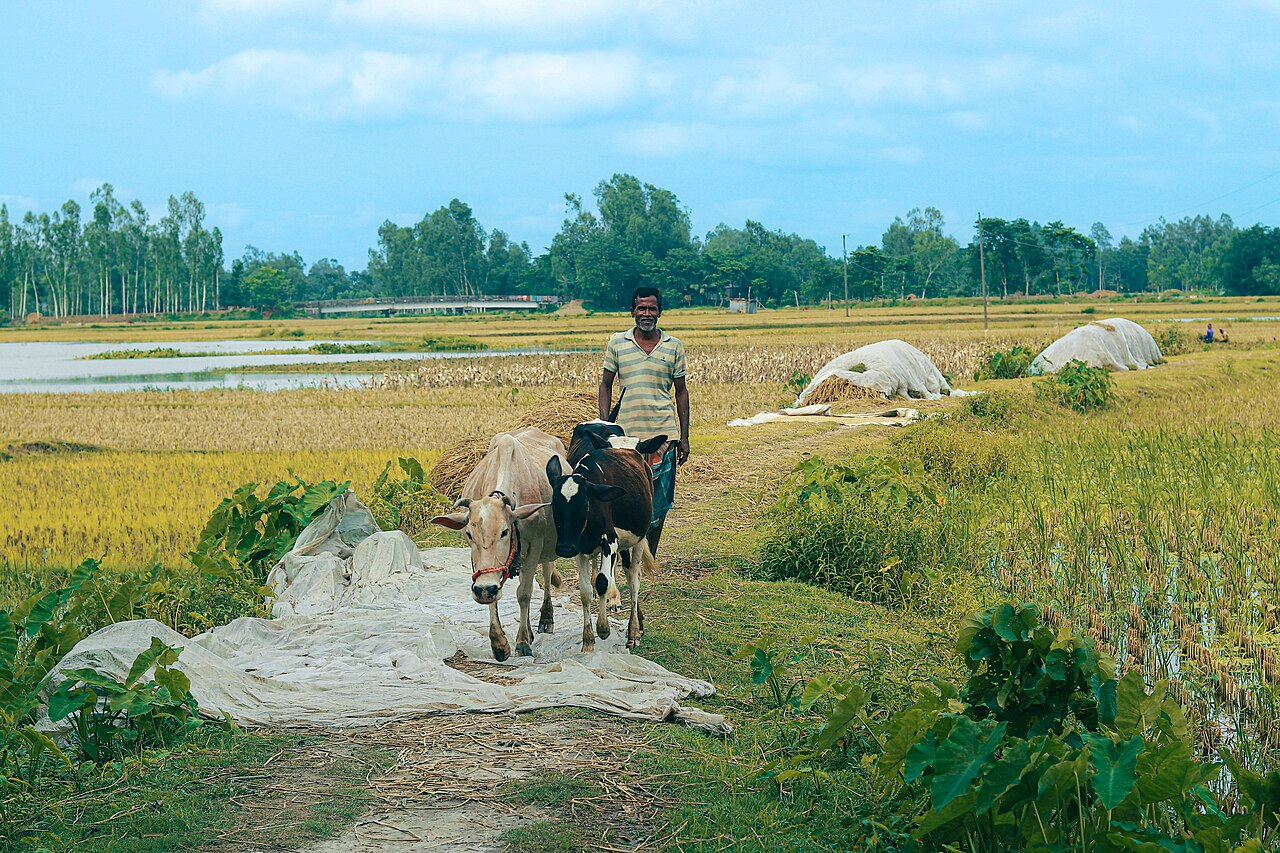
Photo: Ibrahim Husain Meraj / Wikimedia Commons (CC BY-SA 4.0)
Sources: The Agro News (Staff Correspondent), Department of Agricultural Extension (BAMIS livestock advisories, 2019 and 2 January 2020), Department of Livestock Services (Livestock Economy at a Glance 2023-24), The Daily Star Bangla (4 January 2023), The Daily Star (27 February 2020), bdnews24.com (20 March 2024 and 3 May 2025), Dhaka Times (9 April 2020), Teagasc (18 March 2024), Cornell University New York State IPM Program (2009), FAO (Lumpy Skin Disease: A Field Manual for Veterinarians, 2017), World Organisation for Animal Health (regional workshop, September 2024), Virus Research (Sprygin et al., 2019), Medical and Veterinary Entomology (Torr et al., 2011), Transactions of the Royal Society of Tropical Medicine and Hygiene (Seyoum et al., 2002), Malaria Journal (Maia and Moore, 2011), World Health Organization (12 November 2014)

Comments
(0)