

Whom will you vote for? Today this is not just a matter of political preference. It is an important civic question closely tied to the country's overall food security, the dignity of farmers and the stability of the national economy. An elected representative is not only a lawmaker; he or she builds an effective bridge between the people's hopes and expectations and reality, and carries the problems of every layer of society to the level of the state.
So the country needs far-sighted, responsible leaders who understand the importance of agriculture deeply, who accept farmers' problems as their own moral responsibility, and who will speak firmly, clearly and fearlessly for agriculture in the national parliament. Choosing the right leadership means more than forming a government: it means securing the country's future food security and strengthening the path to sustainable, long-term agricultural development. Let safe farming and farmers' rightful claims be heard in parliament.
Agriculture is the firm foundation that has long sustained Bangladesh's economy, culture and way of life. It ensures food security, supplies nutrition and is the lifeblood of the rural economy. Yet while many promises about agriculture and farmers are heard at election time, very few are reflected on the ground. That is why voters now need to decide not only on the basis of a person or a party but with agriculture and food security in mind.
Fair prices for what farmers grow
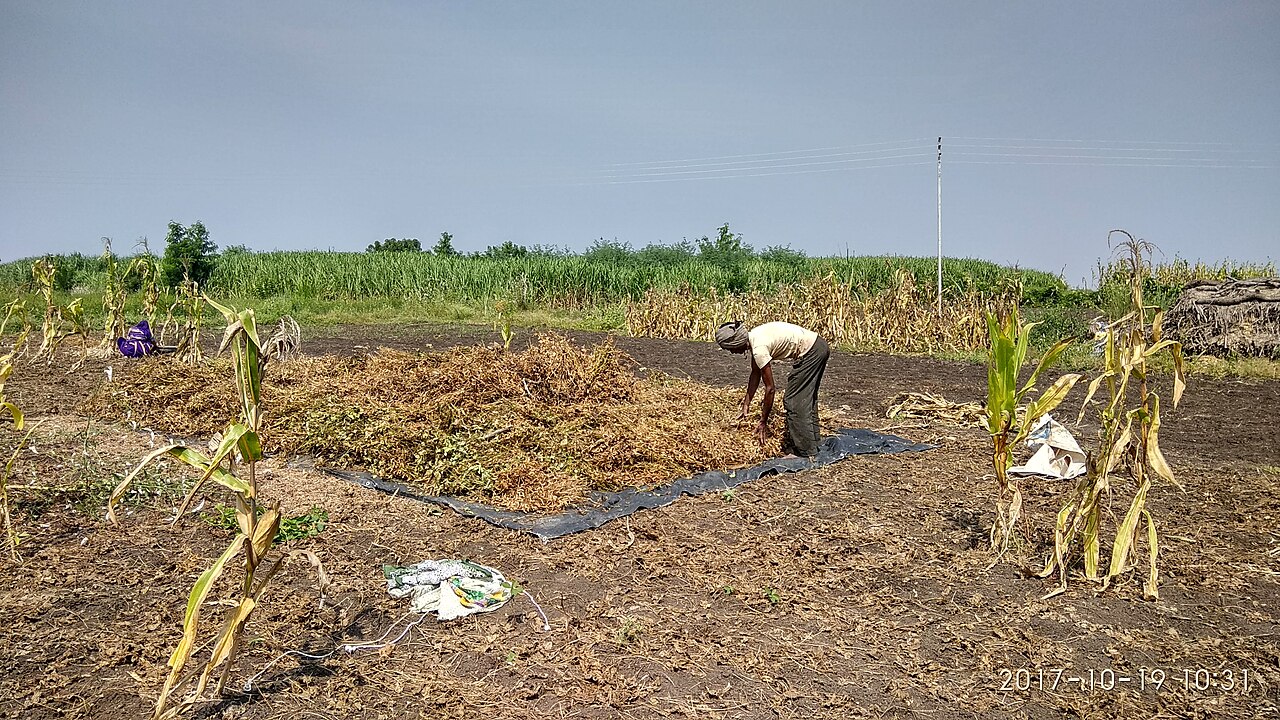
A huge number of people in Bangladesh are directly or indirectly involved in agriculture. The farmer does not only grow rice, wheat or vegetables; he keeps the nation's life going. But farmers' production costs are rising day by day. Seed, fertiliser, pesticide, irrigation and labour all cost more, yet farmers do not get a fair price for their crops. When a seasonal glut hits the market, prices fall, and because of middlemen farmers often cannot even recover their costs.
The country therefore needs representatives who will stand up in parliament and press for effective policies to guarantee fair prices for farm produce. A fair price is not only about protecting farmers; it is directly linked to food security. If farmers do not get the right price, they are gradually forced to turn away from farming, which raises the risk of falling food production and in the long run hurts the national economy.
Voters should choose leaders who will improve the marketing of farm produce, help expand storage and processing industries and take effective steps to link farmers directly with markets. They should also speak up in parliament for a fair-price policy and for a strong, effective fair-price commission.
Credit and insurance
Farm credit is one of the most important supports that keeps farmers going, but in practice many do not get the loans they need on time. Complicated procedures, collateral problems and the limits of the banking system often shut small and marginal farmers out. They are then forced to borrow from NGOs at relatively higher interest, which adds to their financial pressure and makes life miserable. For the same reasons many farmers become dependent on moneylenders, whose interest rates are extremely high and whose repayment terms are harsh.
In this situation the country needs representatives who will take effective steps to ensure farmers can get loans quickly, on easy terms and at low interest. They should also play an active role in parliament in introducing and expanding crop insurance, so that farmers hit by natural disasters have financial security and a chance to get back on their feet.
Climate change and safe food
Bangladesh's agriculture faces the major challenge of climate change. Untimely floods, drought, rising salinity and irregular rainfall are deeply affecting production and making farmers' livelihoods uncertain. Representatives are needed who will give priority to climate-resilient technology, improved seed varieties and modern agricultural research, who will make extension services stronger and more effective so that farmers are encouraged to use modern technology, and who will play a responsible role in protecting the environment and building a sustainable farming system, so that future generations inherit a safe and green Bangladesh.
Safe food is now an important national issue. Adulterated fertiliser, poor-quality seed and uncontrolled pesticide use threaten both the quality of farm output and food safety. Many dishonest traders are spreading poison on the market in the name of pesticide, endangering not only crops but human health. Representatives are needed who will take a hard line against the production and sale of adulterated farm inputs and help build strong monitoring to ensure safe food.
Local problems, national voice
Another major duty of a responsible representative is to raise the farming problems of his or her own area at the national level. Every region's agricultural reality is different: some face water shortages, some floods, others a lack of market facilities. Solving these requires a clear understanding of local conditions, so voters should elect MPs who keep in regular touch with the farmers of their constituency and raise their problems in parliament.
Developing agriculture does not only mean producing more food. It is closely tied to job creation, poverty reduction and the growth of the rural economy. If agro-based industries, storage facilities, cold chains and transport infrastructure improve, farmers will get better prices and new jobs will be created. Leadership is needed that will link agriculture with industry and build a strong agro-based economy.
The vote is a citizen's most powerful right and responsibility. Through it we can choose leaders who will not stop at political promises but will take real steps for farmers and agriculture. The representative who speaks for agriculture, secures farmers' rightful dues, fights for safe food and takes a hard line against adulteration is the one who should be elected.
To secure Bangladesh's future development and food security, agriculture must be given top priority, and the first step towards that begins with choosing the right leadership. When voting, remember: if agriculture survives, the country survives; if farmers survive, the nation stays safe.
The writer is an agriculturist, columnist and chairman of the DRP Foundation.
Source: Jagonews24. First published in Bengali on The Agro News.
Comments
(0)