
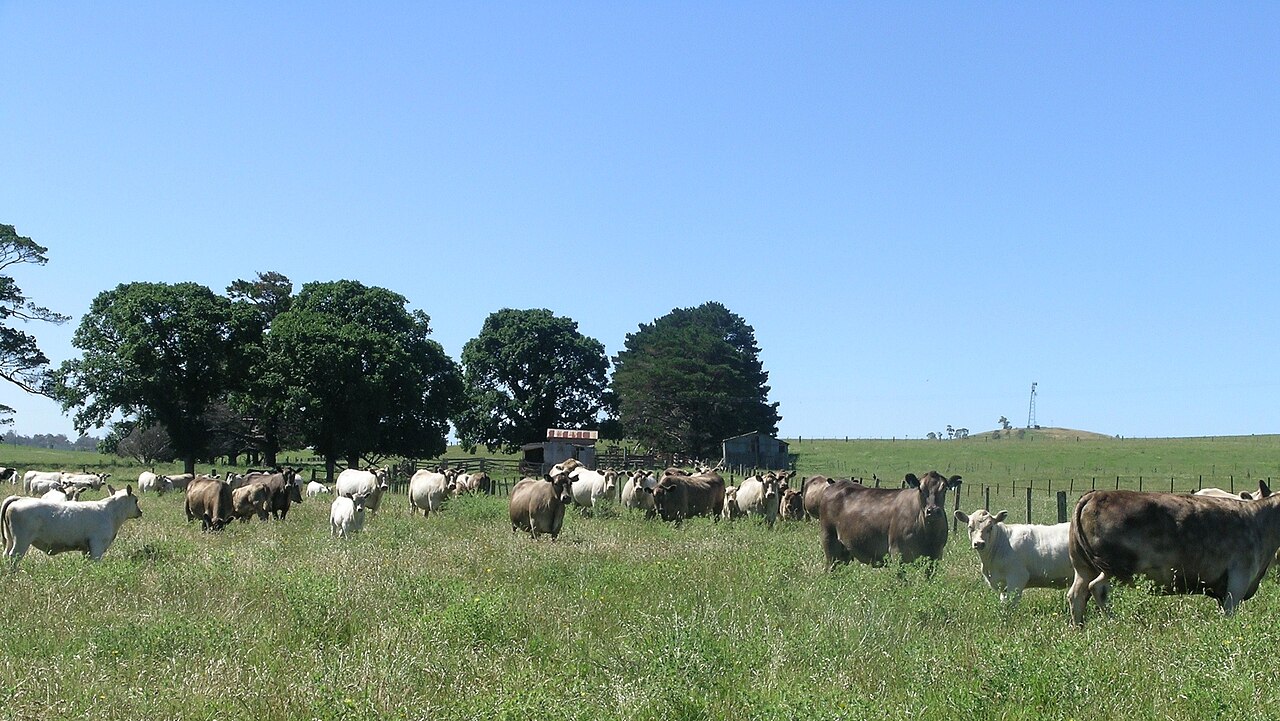
Wearable technology could prove as transformative for the cattle industry as GPS-guided tractors were for cropping 25 years ago, Rob Clayton, chief executive of Gallagher eShepherd, told Cattle Australia's Cattle Connect conference in Wagga Wagga, Beef Central reported.
Clayton, who grew up on a family property at Coonamble in north-west New South Wales and held leadership roles with Nutrien before joining Gallagher this year to run its virtual fencing and precision management division, said virtual fencing is only the first step. Gallagher is working on a smaller, lighter second-generation virtual fencing device and on camera-based technology that can estimate cattle weights. It is also considering cameras worn by cattle to monitor the weight, health and wellbeing of others in the same mob, and to alert producers in real time to problems such as an empty water trough.
He gave the example of a south-west Queensland producer who left a gate open before travelling to the conference because about 40mm of rain was forecast. Her property received 300mm, floods cut the roads and her farm worker could not reach the cattle. With virtual fencing collars, Clayton said, she could have seen where the cattle were on her phone and moved them from her hotel room. "That's giving control where we had no control," he said.
Clayton said one producer he met is now grazing an area making up 20 percent of the farm for the first time since 1973, a creek paddock where floods made physical fencing impractical. Some producers are selling or cutting back on contracted mustering helicopters because they can move cattle gradually with virtual boundaries.
He recalled his father asking why the family would spend thousands of dollars on auto-steer when he had sons who could drive the tractor for free. The real significance of GPS, Clayton said, was that it started precision agriculture, shrinking the unit of management from the paddock to the square metre. He believes wearable technology will do the same for livestock, moving management from the mob to the individual animal.
Reporting: James Nason, Beef Central.
Photo: Cgoodwin / Wikimedia Commons (CC BY-SA 4.0)
Source: Beef Central
Comments
(0)