
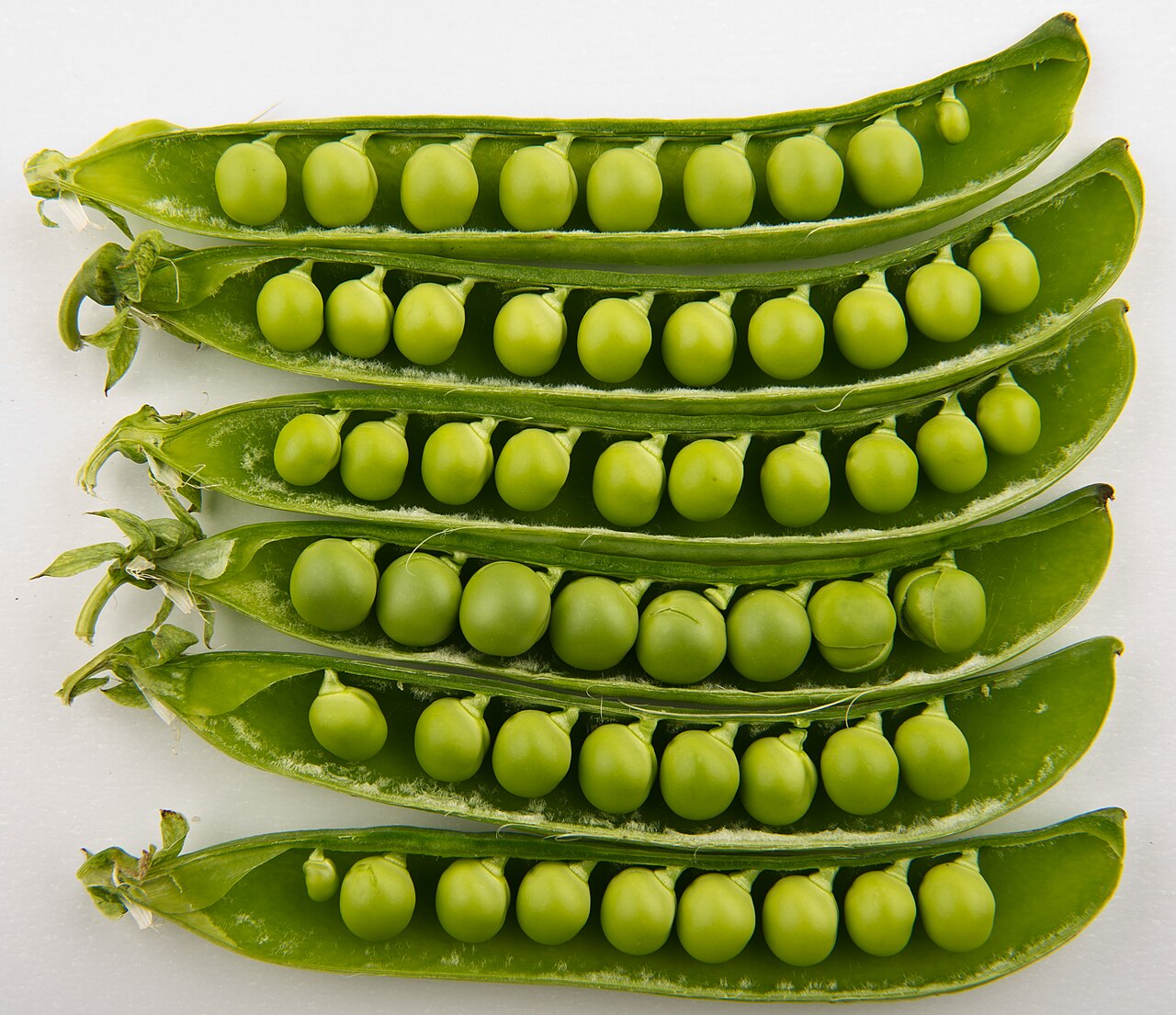
HiFe Plants, a start-up that emerged from the John Innes Centre in Norwich, is breeding crops with far more iron so that people with iron deficiency could raise their intake through everyday foods rather than supplements, its founder Jacob Pullin told AgNavigator.
The work began when Janneke Balk's team at the John Innes Centre found a pea mutant that accumulated around 40 times more iron than a normal pea plant. Pullin's postdoctoral research was to extract and study the protein behind it, to understand the mechanism and how it might be applied in other crops. The company started with peas and has explored high-iron tomatoes, potatoes, kiwifruit, lucerne and blueberries.
The business plan is to be a business-to-business supplier of high-ferritin pea ingredients for fortifying foods, and to sublicense the traits into other crops. "I'd like people who are iron deficient to be able to walk into a supermarket and buy a high-iron equivalent of the foods they already consume," Pullin said.
AgNavigator noted that one in five people worldwide suffers from iron deficiency. Pullin said about one in three women in Western countries is iron deficient, and around a third of them get moderate to severe side effects from iron tablets. He argued that crops bred mainly for yield have lost nutrient density, citing shorter, higher-yielding wheat, and said his breeding programme has already shown that some of the yield cost of carrying more iron can be reduced.
HiFe Plants aims to win EU novel foods approval by the end of 2027 and is pursuing sublicensing deals; if both stay on track it expects to raise money in the middle to latter part of 2027. Pullin said ferritin supplements already exist, but his plants accumulate far more of it, which should make production cheaper, and the trait can be bred into fresh fruit and vegetables.
The company was recently named overall winner of Norwich Research Park's Innovation Hothouse competition and pitched to investors this year at Agri-TechE's Focus on Finance.
Reporting: Harry Holmes, AgNavigator.
Photo: Bill Ebbesen / Wikimedia Commons (CC BY-SA 3.0)
Source: AgNavigator

Comments
(0)