
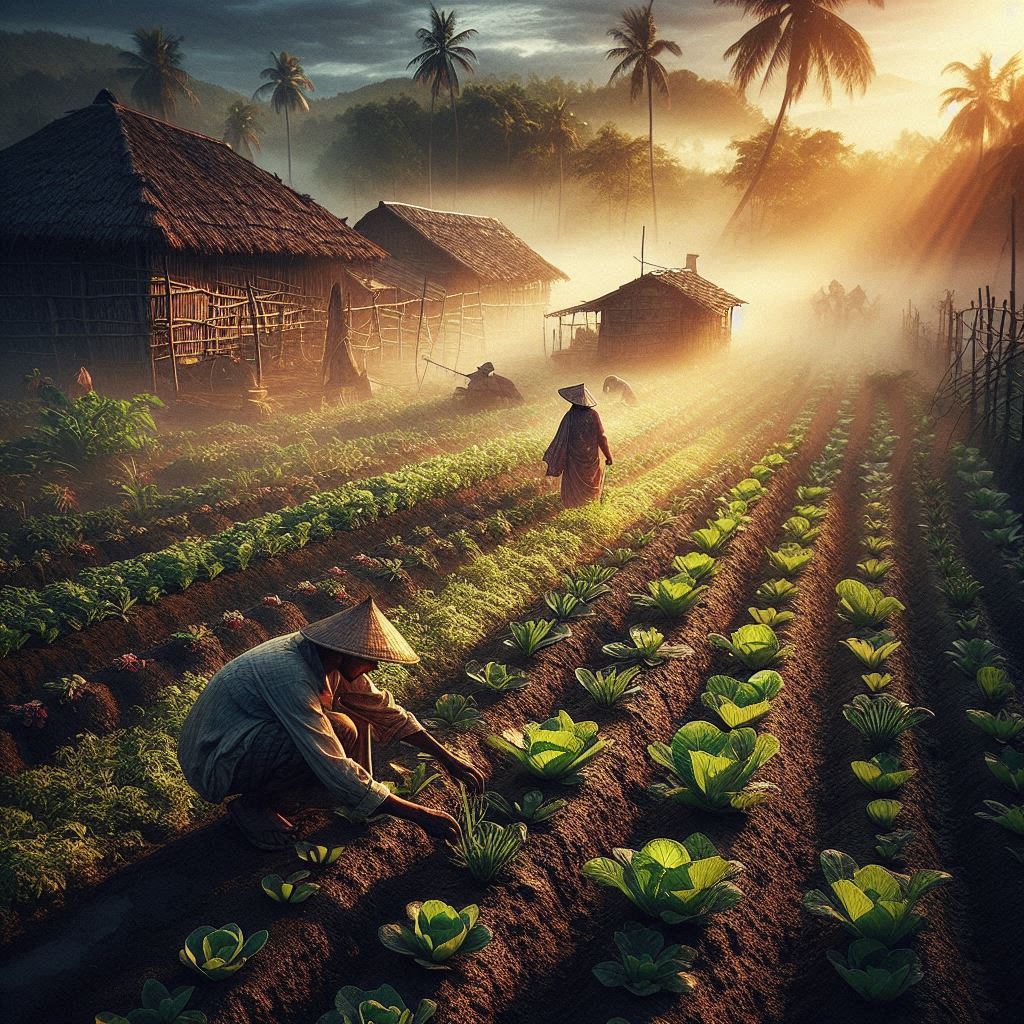
Vegetables are an important crop. In agricultural science they are called horticultural crops. They matter both for nutrition and commercially, which is why it is important to know modern methods of growing them.
Modern methods mean farming on scientific lines. Bangladesh's weather and climate are very well suited to vegetables, but not every vegetable grows everywhere in the country, nor all year round. Different regions produce different vegetables, and particular varieties can be grown at particular times of the year.
Vegetables that grow all year
Among the familiar vegetables that grow easily across the country all year are red amaranth, stem amaranth, Malabar spinach, water spinach, sweet potato leaves, okra, carrot, yardlong bean, tomato, bottle gourd and its leaves, jute leaves, cucumber, green banana, brinjal, papaya, bitter gourd, taro leaves, taro stolons, coriander and mint. Some less familiar vegetables are also grown as local specialities. Of these crops, some are eaten only as leafy greens, while others are used both as greens and as vegetables.
Rabi and Kharif seasons
Agronomically there are two seasons: Rabi (winter) and Kharif (summer). Kharif is further divided into Kharif-1 (early summer) and Kharif-2 (monsoon). Winter vegetables are the more varied. Crops grown only in winter include tomato, winter bottle gourd, cauliflower, cabbage, carrot, bean, radish, broccoli, bok choy, kohlrabi, turnip, brinjal and potato. Crops grown only in summer and the monsoon include various kinds of taro, elephant foot yam, ridge gourd, snake gourd, teasel gourd, pointed gourd, bitter gourd, sweet pumpkin and ash gourd.
Beds and drains
Vegetables are not like other crops: they need special care. Grown by scientific methods, they can give a large crop from a small area and a good profit. Choose a homestead yard or relatively high land. Plough and harrow it well when the soil has the right moisture, until it is loose and crumbly, then make long beds one metre wide, shaped to fit the plot. Between the beds dig channels 6 to 8 inches deep, using the soil from the channels to raise the beds on either side as needed.
The point of building beds this way is that vegetables need extra care compared with ordinary field crops. They need irrigation in the dry season and drainage of surplus rainwater in the monsoon. That is why the soil is raised into beds and channels are dug for drainage. Without beds and drains, the farming is not scientific but ordinary vegetable growing, and yields fall sharply.
Planting by crop type
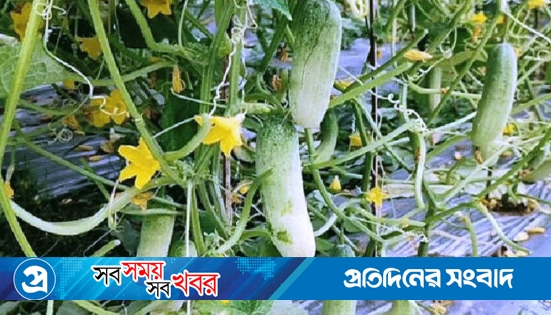
Papaya and green banana can easily be grown in the homestead yard, along roads or on pond banks. Red amaranth, stem amaranth, jute leaves, radish greens, carrot and turnip give good yields when seed is broadcast on prepared beds. Tomato, brinjal, cauliflower, cabbage, okra, taro and elephant foot yam do well when seedlings are planted in two rows at set spacing on the one-metre beds, so seedlings for these should be raised separately in a nursery. For creepers such as bottle gourd, sweet pumpkin, cucumber, ash gourd, pointed gourd, teasel gourd, bitter gourd, ridge gourd, snake gourd, beans and yardlong beans, plant two rows on the bed and provide a trellis, usually with stakes on both sides of the bed bent and tied in an X or V shape.
Besides beds, these creepers can easily be grown on field ridges, roadsides and pond banks with a little arrangement and give good yields, although they need somewhat more care than other crops. They can be grown without tillage, which is why no-till growing of these crops is advised during rehabilitation after floods. They can also be grown entirely organically: use a small amount of necessary chemical fertiliser before planting and meet the rest with organic manure made at home, then use organic methods for intercultural care and pest control. The produce can then serve as safe food for everyone.
A garden for health and income
In this way, anyone can grow vegetables year-round on a small scale under their own management, meet their own needs and also profit commercially. A large part of our nutritional needs should come from vegetables: an adult needs to eat at least 250 grams a day on average. To eat them regularly and safely, eating what you grow yourself is best. So let us make use of our idle time through the year and build a vegetable garden in our own yards.
Source: Staff Correspondent. First published in Bengali on The Agro News.
Comments
(0)