
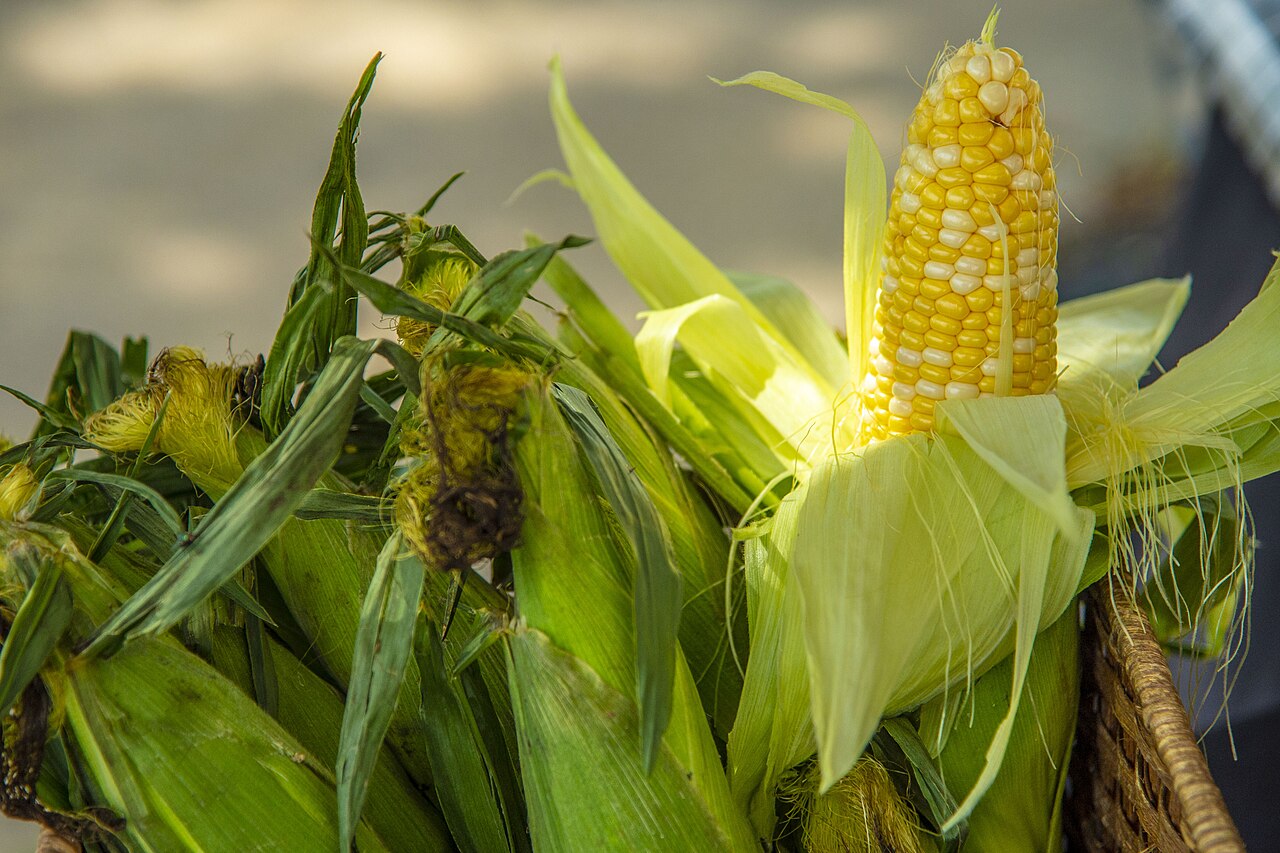
The US Department of Agriculture has announced new awards under its Assisting Specialty Crop Exports (ASCE) initiative, which helps American growers of fruits, vegetables, nuts and nursery products overcome non-tariff barriers such as differing pesticide-residue standards abroad.
The largest is a $10 million, five-year partnership with the IR-4 Project at North Carolina State University, which will generate residue data to support international Codex standards and research residue-mitigation practices.
USDA also granted $3 million to the Codex Alimentarius Commission at the Food and Agriculture Organization of the United Nations to advance the setting of maximum residue limits (MRLs), the internationally recognised limits for crop-protection products that help reduce trade disruptions.
A $500,000 partnership with Bryant Christie Inc. will analyse biopesticide regulations and residue requirements in foreign markets so that US producers can better understand what export markets expect.
The initiative targets trade problems unrelated to tariffs — differing regulations, testing requirements and residue limits — that can still keep specialty crops out of foreign markets.
Photo: USDA / Wikimedia Commons (Public domain)
Source: Farms.com
Comments
(0)