
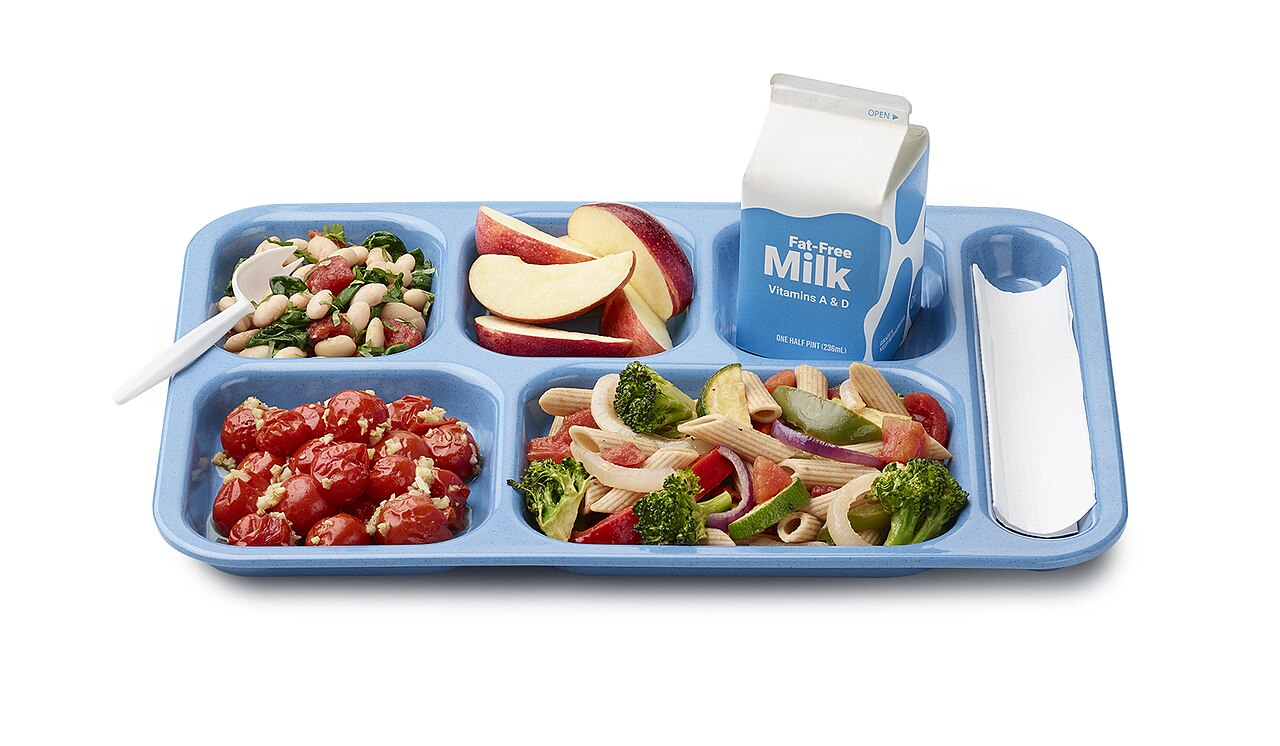
The US Department of Agriculture's Food and Nutrition Administration has announced more than $27 million in additional Patrick Leahy Farm to School Grants and a further $50 million in National School Lunch Program (NSLP) Equipment Assistance Grants, to help schools buy more local food and modernise their kitchens.
With the new awards, Farm to School support in 2026 comes to more than $47 million across 149 projects, which the department calls the largest annual investment in the programme's history. Earlier awards were announced in April and July.
The equipment grants, which build on awards made in August, go to state agencies without competition and pay for cafeteria upgrades such as cold storage and stoves that let schools prepare and serve fresh, locally sourced food.
The funding is part of USDA's Harvest to Hallways initiative, which aims to link school meals more closely with American farms and to connect children with nutrition and agricultural education.
"Every child deserves real, nutritious food grown by American farmers and ranchers on their lunch tray," said Agriculture Secretary Brooke L. Rollins. Health and Human Services Secretary Robert F. Kennedy, Jr. said the investments "put real food at the center of school meals".
For local growers, school cafeterias with the cold storage and equipment to handle fresh produce are a steadier buyer for what they grow.
Photo: USDA / Wikimedia Commons (Public domain)
Source: USDA

Comments
(0)