
The US Department of Agriculture (USDA) said on 8 October that it is issuing about $1.8 billion in Conservation Reserve Program (CRP) payments to agricultural producers and landowners for their part in its conservation programmes in 2026.
The money is annual rent paid to farmers and ranchers who take land out of crop production and keep it under long-term, resource-conserving vegetative cover. The payments run through both the general CRP and Grassland CRP, a working-lands version that lets participants keep most of their grazing and haying while they conserve the grass.
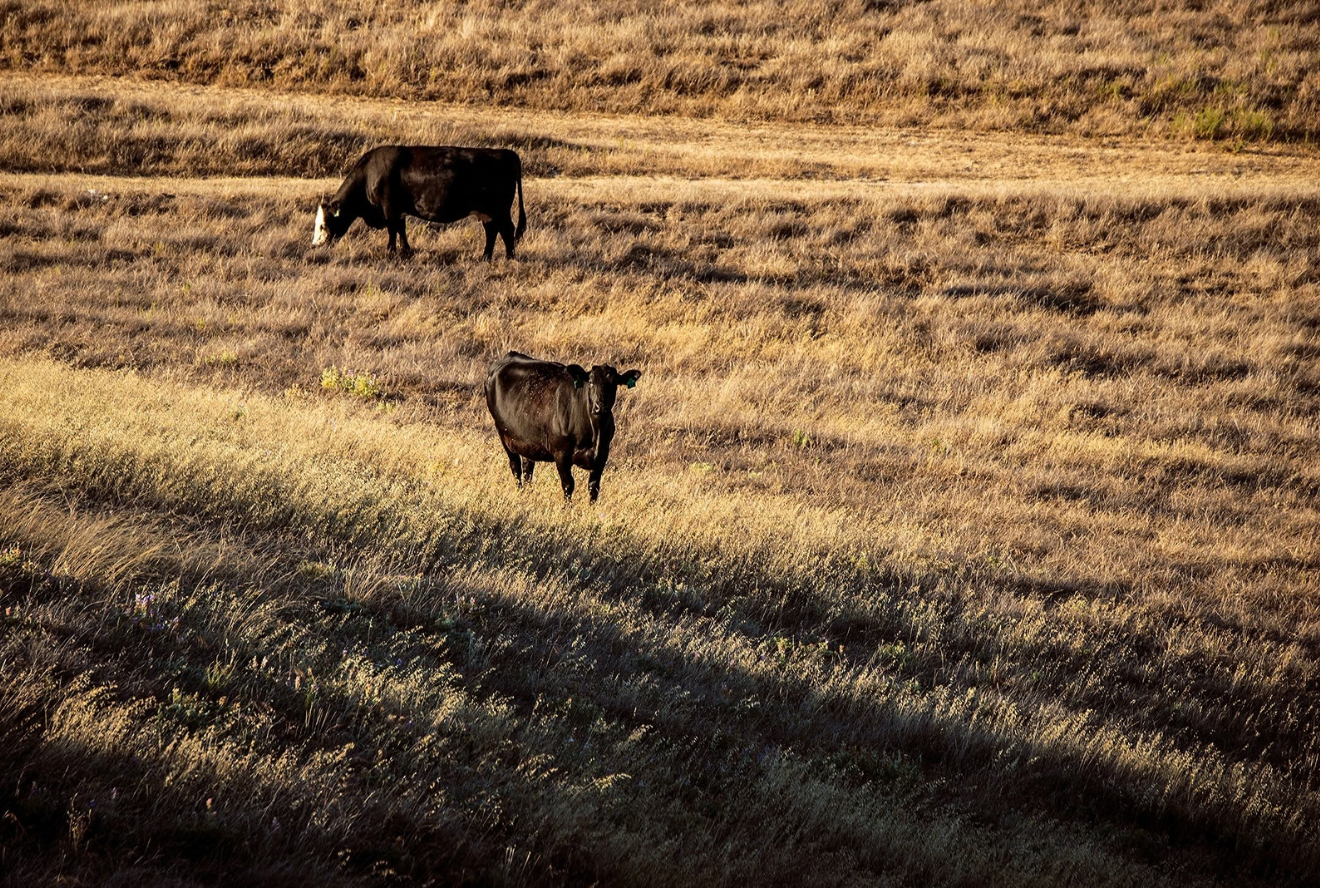
Grassland is where the programme is growing. This year USDA's Farm Service Agency (FSA) accepted offers on nearly 1 million new acres of Grassland CRP, which brings rental payments and cost-share help to keep rangeland and pasture in use as grazing areas. After the 2026 enrolment, Grassland CRP is expected to make up more than 40% of all acres in the CRP. The department ties these payments to its Ranchers First initiative, which is aimed at rebuilding the US cattle herd.
"As we continue to work to rebuild the American cattle herd, today's announcement will help continue this effort by protecting nearly one million acres of grazing land for our ranchers," said Agriculture Secretary Brooke L. Rollins. Richard Fordyce, Under Secretary for Farm Production and Conservation, said enrolment in the conservation programmes "has been a highly competitive process".
For fiscal year 2027, a total of 26.8 million acres will be enrolled in the CRP, after the FSA accepted offers on 2.2 million acres through the Grassland, General and Continuous CRP signups held for 2026. Iowa, Illinois, Minnesota, South Dakota and Missouri are the top five states for CRP payments this year.
USDA describes the programme as one that reduces soil erosion, improves water quality and adds wildlife habitat, while the yearly rent gives participants a steady income that helps to stabilise farm earnings. Producers and landowners can find details at fsa.usda.gov/crp or at their local FSA county office.
Source: USDA
Comments
(0)