
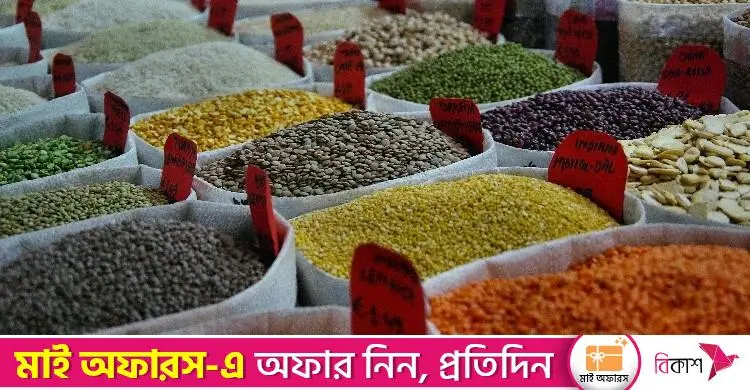
The tariff on pulse imports could create fresh complications in the ongoing negotiations over an India-US trade agreement. At least two Republican senators have written to US President Donald Trump expressing anger that India has imposed a 30 per cent tariff on pulses imported from the United States.
The senators say the tariff has put US pulse growers at a "serious competitive disadvantage". They describe it as an "unfair" tariff imposed by India.
According to analysts, New Delhi's counter-move, after the Trump administration recently imposed a 50 per cent tariff in trade with India, could make the talks on an India-US trade deal even more complicated.
What the letter says
In the letter, Senator Steve Daines of Montana and Senator Kevin Cramer of North Dakota note that their two states are the leading US producers of pulse crops, especially peas. India, on the other hand, is the world's largest consumer of pulses, accounting for about 27 per cent of global consumption.
Among the pulses most used in India are lentils, chickpeas, peas and dried peas. The US lawmakers allege that India has imposed high tariffs on these products when they are imported from the United States.
The letter says India announced on 30 October a 30 per cent tariff on yellow peas, which took effect on 1 November 2025.
"As a result of India's unfair tariffs, US pulse producers face significant competitive disadvantages when exporting their high-quality products to India," the letter says.
The senators advised Trump that raising the pulse tariff issue with Indian Prime Minister Narendra Modi would be "mutually beneficial" in strengthening economic cooperation between the two countries. US farmers would benefit, and so would Indian consumers, they said.
Earlier lobbying
The letter also praises Trump's role in creating a favourable economic environment for farmers in North Dakota and Montana, and says that as India-US trade talks move forward, any agreement should seek to include favourable terms for the pulse sector.
The senators recalled that they raised the same issue before the 2020 trade talks during Trump's first term. At that time, they say, President Trump personally handed their letter to Prime Minister Modi, which helped bring US producers to the negotiating table.
"As the United States seeks to rebalance trade deficits, American farmers stand ready to fill the gap. If trade opportunities open up, they have the capacity to supply the world with food and fuel," the letter adds.
India imposed additional tariffs on US goods after it was removed from the Generalized System of Preferences (GSP) in June 2019. The same senators objected then too, calling India's tariffs on pulses "unfair". The report is based on NDTV.
Source: Jagonews24. First published in Bengali on The Agro News.

Comments
(0)