
The value of the US seed market is expected to rise 2.5% in 2026 despite a year in which corn and soybean growers spent more than their crops were worth, according to an analysis published by CropLife. Higher seed prices drove the gain, helped by a larger overall planted area of key crops.
The USDA's September production report from the National Agricultural Statistics Service put the 2026 soybean area up 7% at 86.9 million acres, as US farmers returned to alternating corn and soybean years and soybeans promised better, or less negative, returns. Corn area fell about 2%, cotton rose 12.5% and wheat fell 5.9%.
Corn and soybean are the two most valuable seed markets, worth a combined $16.9 billion at the farm gate in 2026, up 4% on the year, and usually about 85% of US seed sales. Their value once rose with new biotech traits, which moved farmers' pest-control spending from sprays into the seed. Newer technologies, such as RNA interference against corn rootworm, add a further mode of action or back up traits that are losing effect, and lift prices only a little, so seed sales now follow crop prices more closely.
Facing losses, US growers appear to have cut spending on chemical crop protection while spending more on seed to raise output. Weather undercut the plan: the national average corn yield fell 7.58 bushels an acre to 166.54 bushels, and soybeans slipped 0.15 bushels to 52.79 bushels an acre.
Seed companies still grew. The four largest global seed firms reported higher North American sales in the first half of 2026 than a year earlier, led by corn and soybean. Bayer and Corteva, which together hold 60% to 70% of the US corn and soybean seed markets, are estimated to have raised revenue in both crops, and Bayer's soybean seed sales are expected to beat the market thanks to the return of the dicamba herbicide label and its dicamba-tolerant Xtend and Xtend Flex varieties.
For 2027, the analysis expects a swing back to more corn and less soybean, less cotton and more wheat. Because corn seed costs almost twice as much per acre as soybean seed, that shift alone would raise the market's value, and with commodity prices expected to rise further, seed prices are likely to keep climbing, pointing to another year of growth.
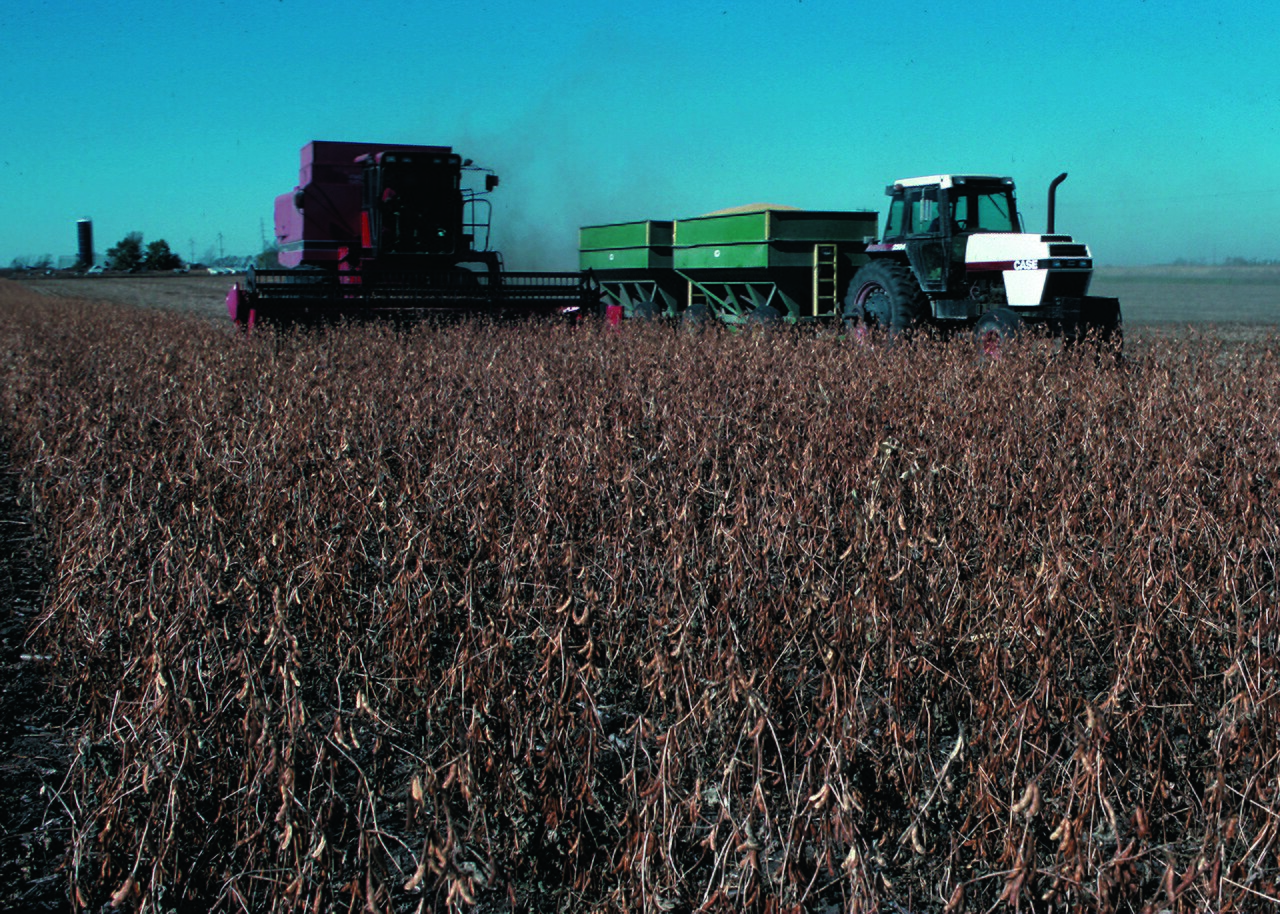
Photo: Lynn Betts, USDA Natural Resources Conservation Service / Wikimedia Commons (public domain)
Source: CropLife

Comments
(0)