
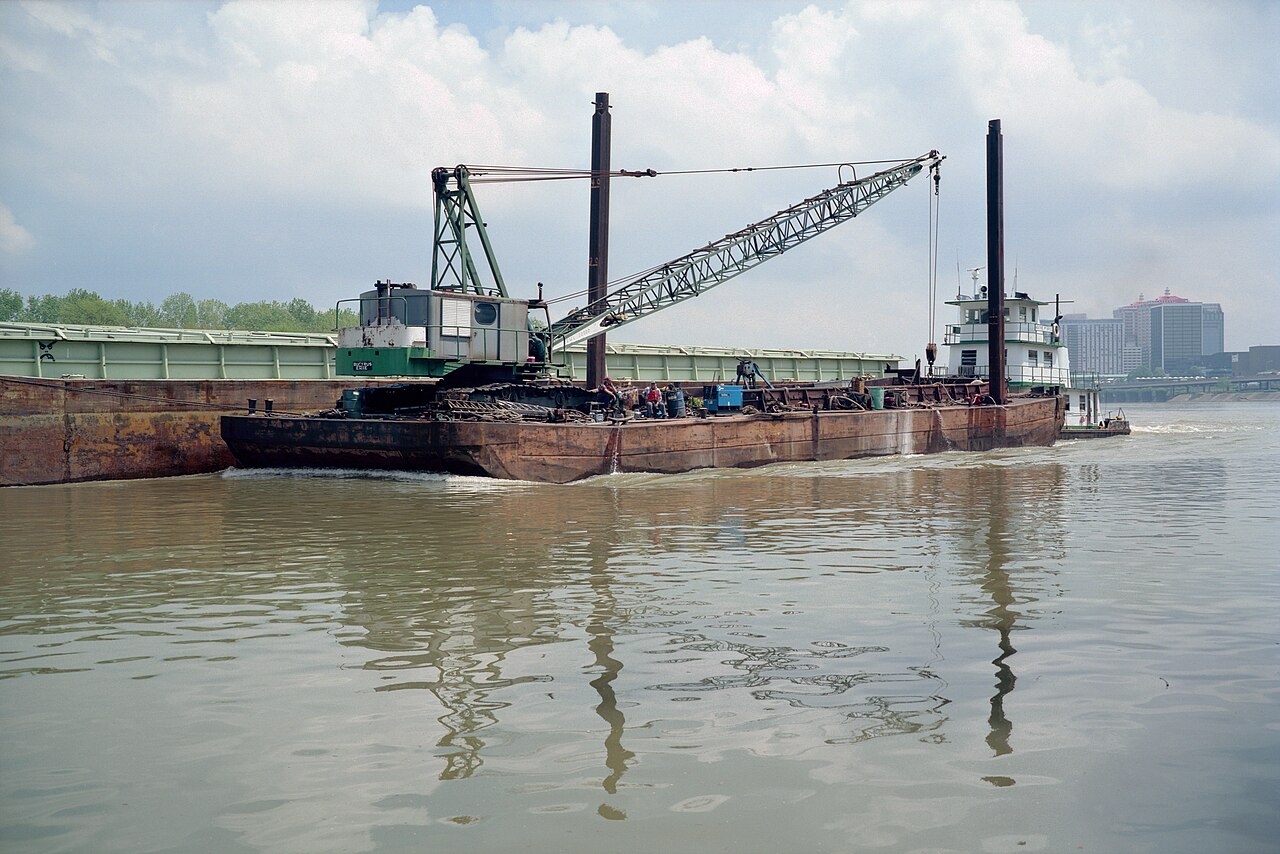
The inland barge fleet that carries much of America's corn, soybeans and wheat to export terminals is shrinking and getting older, and that could raise freight costs and cut the prices farmers receive for grain, according to a new report from CoBank's Knowledge Exchange.
The fleet has fallen to 19,668 vessels, nearly 7.6% fewer than a decade ago, while the average barge age has risen from 13.8 years in 2016 to 17.6 years in 2026. Hopper barges usually last 25 to 30 years. About 410 new barges are built each year, while 500 to 1,000 are retired, and if that continues the fleet could shrink to about 16,240 barges by 2035, a fall of more than 17%.
"The U.S. is facing a barge retirement wave. Tighter barge availability raises freight rates and weakens grain basis levels paid to farmers," said Tanner Ehmke, lead grains and oilseeds economist at CoBank. He said elevators bid less for grain when more of its export value goes on transport, and that higher costs also delay shipments, push more grain into storage and widen basis and carries.
Replacement is held back by cost. A new hopper barge cost roughly $650,000 a decade ago and now costs more than $1 million, as steel, labour, financing and materials have all risen. Because freight rates have not risen enough to justify a large-scale fleet renewal, operators are keeping older barges in service longer.
Demand is set to grow: USDA projects US grain and oilseed exports to rise about 9% by 2035, mostly in corn and soybeans. Low water on the Mississippi has repeatedly limited barge loads and tow sizes, and ageing locks and dams add delays. The proposed Water Resources Development Act of 2026 could provide more than $6 billion for ports, waterways and related infrastructure.
Railways offer an alternative, but analysts say they cannot fully replace river capacity because of equipment limits, terminal constraints and bottlenecks at export facilities, leaving barges among the most efficient ways to move large volumes of grain.
Photo: William Alden / Wikimedia Commons (CC BY-SA 2.0)
Source: Farms.com

Comments
(0)