
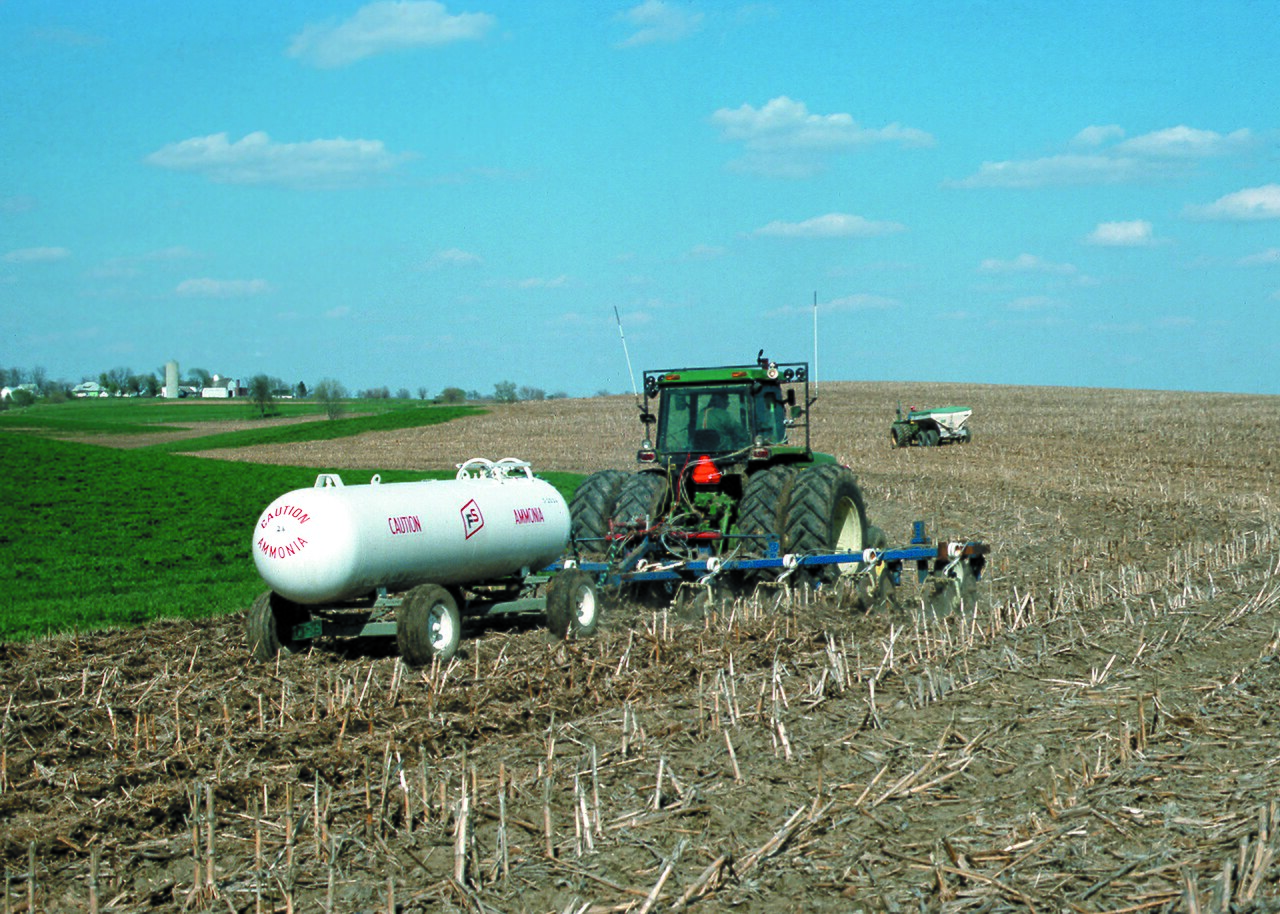
The main risk for US fertiliser suppliers this autumn is not whether product is available but whether farmers can afford to buy it, retailers told CropLife editor Eric Sfiligoj.
"The biggest challenge to fertilizer growth this fall is that the farmer-as-buyer is financially broken," said Rory Olerud, chief executive of AgriPartners in Clear Lake, South Dakota. With crop prices below breakeven and fertiliser prices at historic highs relative to grain, he said, high prices force farmers to cut applications while production costs keep prices from falling.
Most retailers expect potash to do best in the autumn season, helped by plentiful supply from Canada, which provides 80 to 85 percent of US potash, and prices that have been fairly stable through 2026. Nitrogen should also sell well, with more than 95 million acres of corn planted and recent price falls for key products such as anhydrous ammonia.
Phosphate is the weak spot. Supplies stay tight because of Chinese export restrictions, and ammonia and sulphur, both feedstocks for phosphate, are constrained by Middle East disruption and the situation in the Strait of Hormuz. "Phosphorous application rates will be cut back so much it will be hard to make those volumes and acres up with other products," said George Secor, chief executive of Sunrise Cooperative in Fremont, Ohio, who expects phosphorus pentoxide use for the 2026 crop to be around 60 percent of two years ago.
Retailers are responding by buying cautiously. Mark Dietsch of GROWMARK said sellers will avoid carrying excess inventory, layer purchases over time, forecast demand with customers and focus on return on investment rather than volume. Secor said Sunrise is helping growers manage risk by buying fertiliser and selling grain at the same time.
For spring 2027 retailers expect more of the same, although a pause on countervailing duties on Moroccan phosphate and firmer corn and soybean prices could help. Olerud warned that under a central Hormuz scenario the urea-to-corn ratio would reach 174 bushels per short ton, nearly three times the long-run average, with corn at $4.40 to $4.60 a bushel rather than the $7.50 of 2022.
Photo: Lynn Betts, USDA NRCS / Wikimedia Commons (public domain)
Source: CropLife


Comments
(0)