
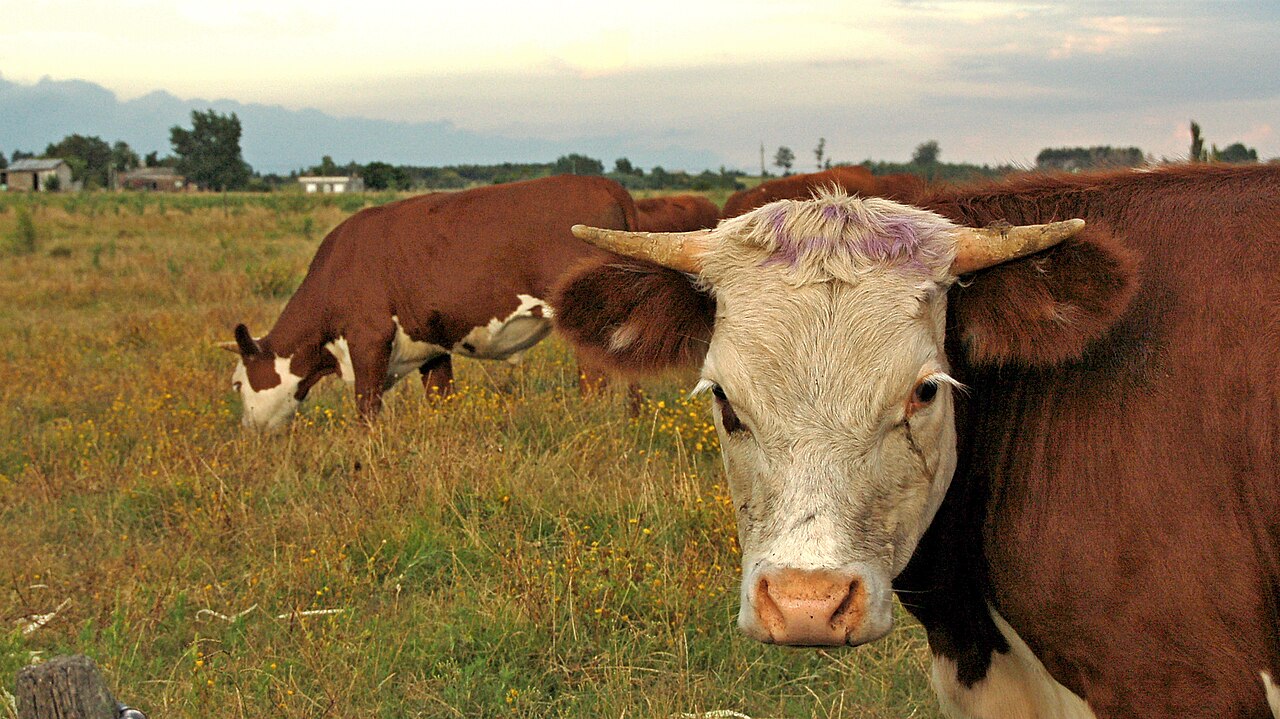
Uruguay has kept its eligibility to export beef to the European Union after an audit by European Commission officials, though inspectors found weaknesses in how EU-eligible meat is traced.
The audit by the Directorate-General for Health and Food Safety (DG SANTE), held from 4 to 15 May, found Uruguay's authorities had a "suitable structure" to deliver controls and certify exports, staff with "adequate enforcement powers" and a system to train official inspectors. Auditors visited slaughterhouses, a cold store and a cattle holding facility.
At a stand-alone cold store, the traceability of some batches of EU-eligible beef was unsatisfactory: incoming batches did not always match the outgoing batches certified by the store's official veterinary team. After an in-depth check, Uruguay reported further deficiencies and drew up a new traceability procedure, applied immediately in all four independent cold stores listed for EU export.
Weaknesses were also found in cutting plants attached to slaughterhouses, where the separation of EU-eligible and non-EU bovine quarters entering the process could not be fully demonstrated. The Commission recommended effective segregation, and from the start of July Uruguay introduced a new traceability verification procedure for EU-approved facilities, including checks on beef entering the deboning room.
Uruguay said the procedure reinforces official controls and gives additional guarantees on segregation. Overall, the audit concluded that the country's control system covers EU requirements and is implemented as planned.
For beef exporters, the case shows how closely Brussels checks traceability from carcass to cold store, and how quickly gaps must be closed to keep a market open.
The report was written by Aisling O'Brien.
Photo: Lux Valens / Wikimedia Commons (CC BY-SA 4.0)
Source: Agriland
Comments
(0)