
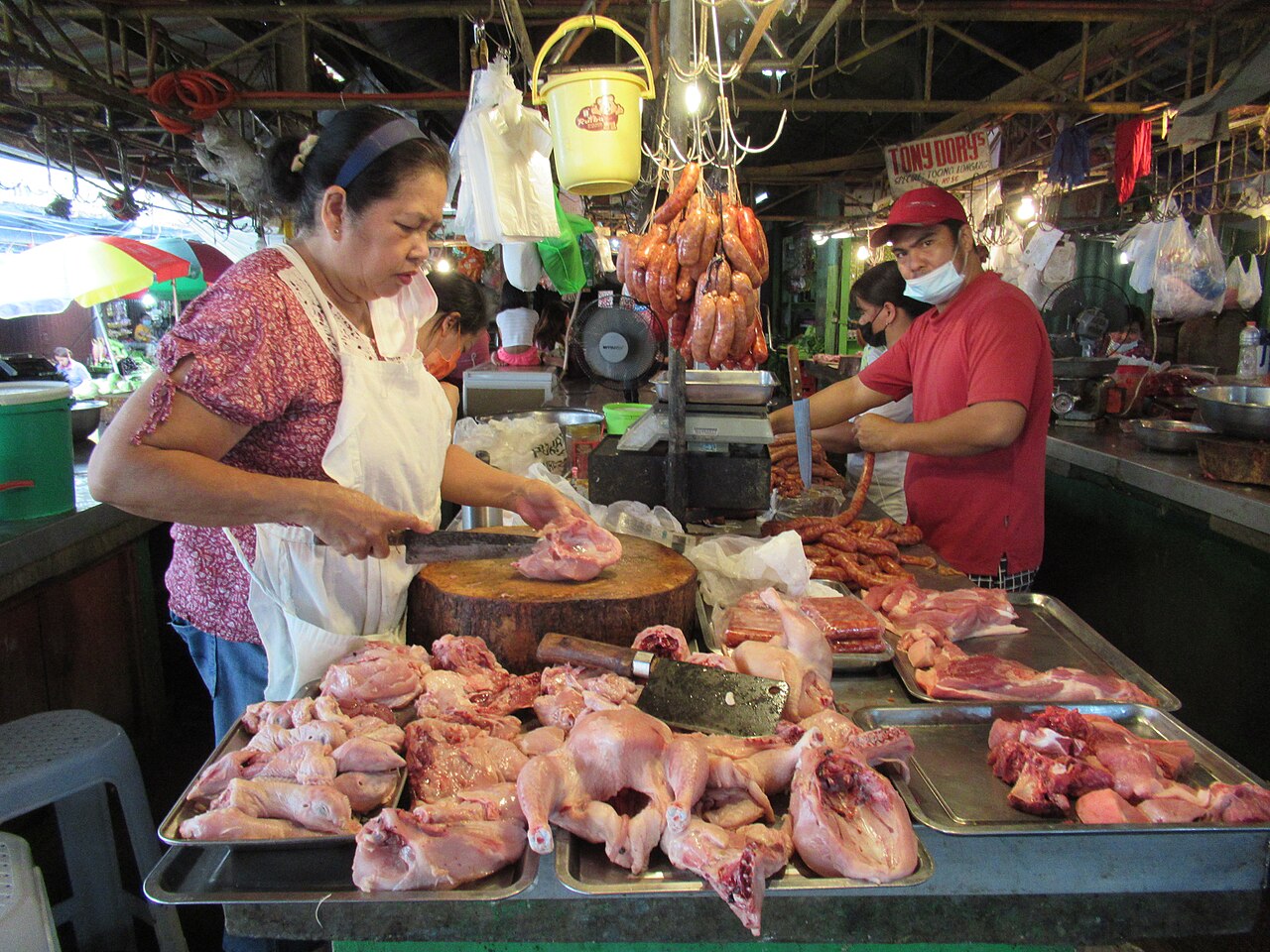
The Philippines is expected to import 780,000 tonnes of chicken meat (ready-to-cook basis) in 2027, up 14.7 per cent from the revised 2026 estimate of 680,000 tonnes, according to a USDA Foreign Agricultural Service (FAS) report on the country.
The growth is expected to come from rising demand from food manufacturers and the food service industry.
Brazil is set to take the majority of the market thanks to its price competitiveness against the United States, the European Union and Canada. It supplied 50 per cent of imports in the first half of 2026, and mechanically deboned meat made up about 66 per cent of chicken imports from Brazil as of July, helped by a tariff cut to 5 per cent through 2028 under Executive Order No. 62 of 2024.
Imports from the United States, the second-largest supplier, fell short of expectations in 2026 after temporary bans on poultry from Kansas, Indiana and Illinois over highly pathogenic avian influenza, but may recover; leg quarters made up nearly 70 per cent of US shipments as of July. EU and Canadian volumes are expected to rise as alternative sources, although their market shares may shrink as Brazil grows.
Trade is being eased by avian influenza regionalisation agreements that the Philippine Department of Agriculture granted in 2026 to the Netherlands, the United Kingdom, Belgium and Chile, limiting import bans to affected areas rather than whole countries. The United States and Ireland also received systems accreditation for their poultry export plants between January and August 2026.
The Philippines' own chicken meat exports remain negligible, at roughly 1,000 tonnes.
Photo: FBenjr123 / Wikimedia Commons (CC BY-SA 4.0)
Source: The Poultry Site

Comments
(0)