
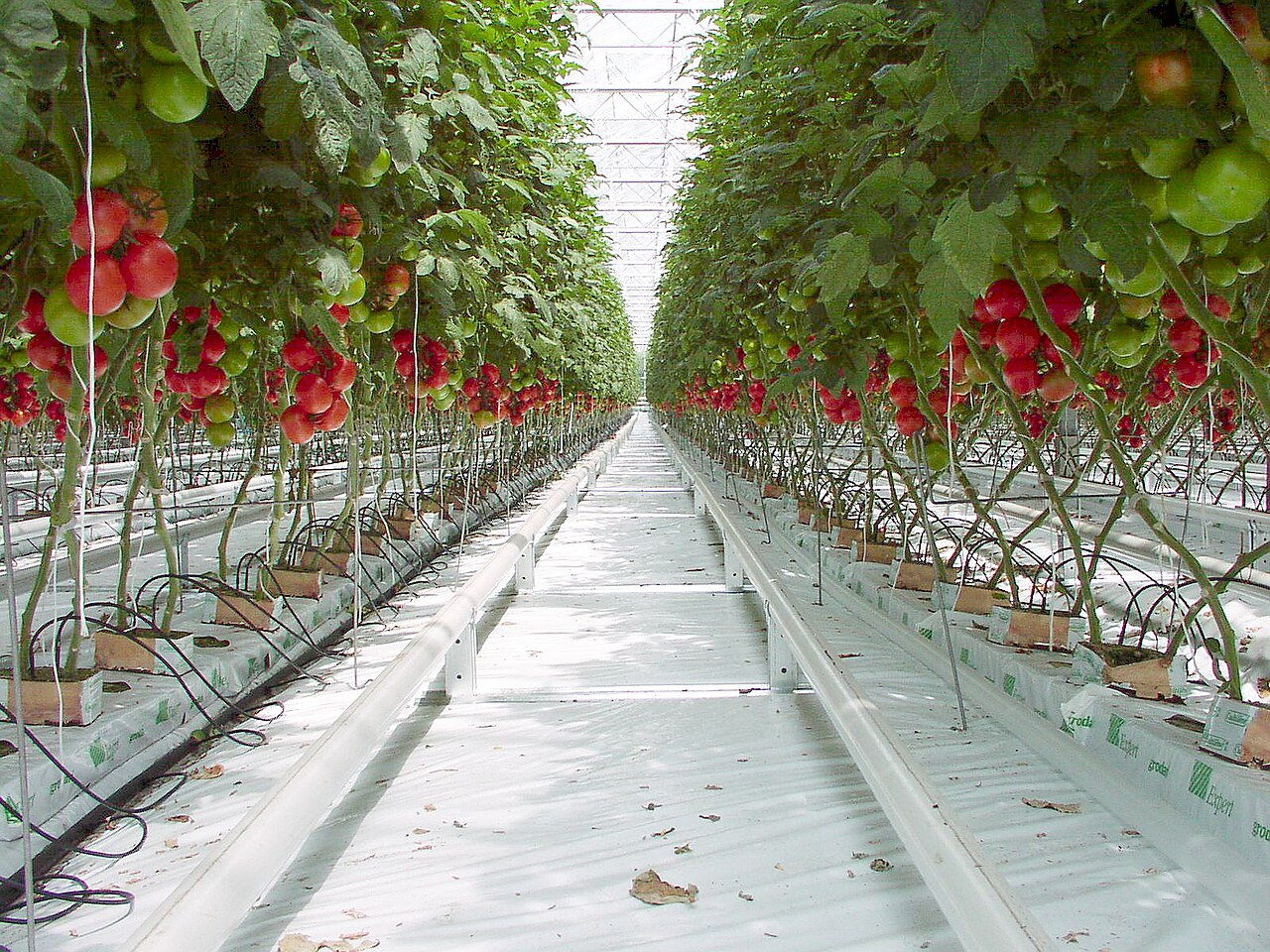
A tomato gene-edited to accumulate high levels of provitamin D has received a formal marketing notice from UK regulators, moving it closer to sale under England's lighter-touch rules for precision-bred crops.
The notice, reference PBM/26/SOLY/001, was published on the government's precision breeding register on 27 August 2026 and covers a line developed in the laboratory of Professor Cathie Martin at the John Innes Centre in Norwich, with the Quadram Institute and collaborators in Italy, Chile, Cuba and the University of Glasgow. The science was first published in 2022; the notice is the first formal step allowing the crop to be grown and sold commercially in England.
Under the Precision Breeding Act, gene-edited plants whose edits could in principle have arisen naturally or through conventional breeding, and that carry no foreign DNA, face a lighter process than GM crops, which remain under stricter EU-derived rules.
Using CRISPR-Cas9, Martin's team switched off the Sl7-DR2 gene, which normally converts 7-dehydrocholesterol (provitamin D3) into defence compounds, so provitamin D3 builds up in the fruit and leaves. It must be exposed to ultraviolet B light — sunlight or an artificial source — to become vitamin D3; once converted, a single tomato can contain vitamin D roughly equivalent to two medium eggs or 28 grams of tuna.
The team plans to cross the line with sweeter and striped varieties and market the result as Sunshine. Before it reaches shops it needs separate novel-food approval from the Food Standards Agency. Martin said the tomato could one day become a low-cost, plant-based way to tackle widespread vitamin D deficiency.
Photo: Goldlocki / Wikimedia Commons (CC BY-SA 3.0)
Source: Global Agriculture



Comments
(0)