
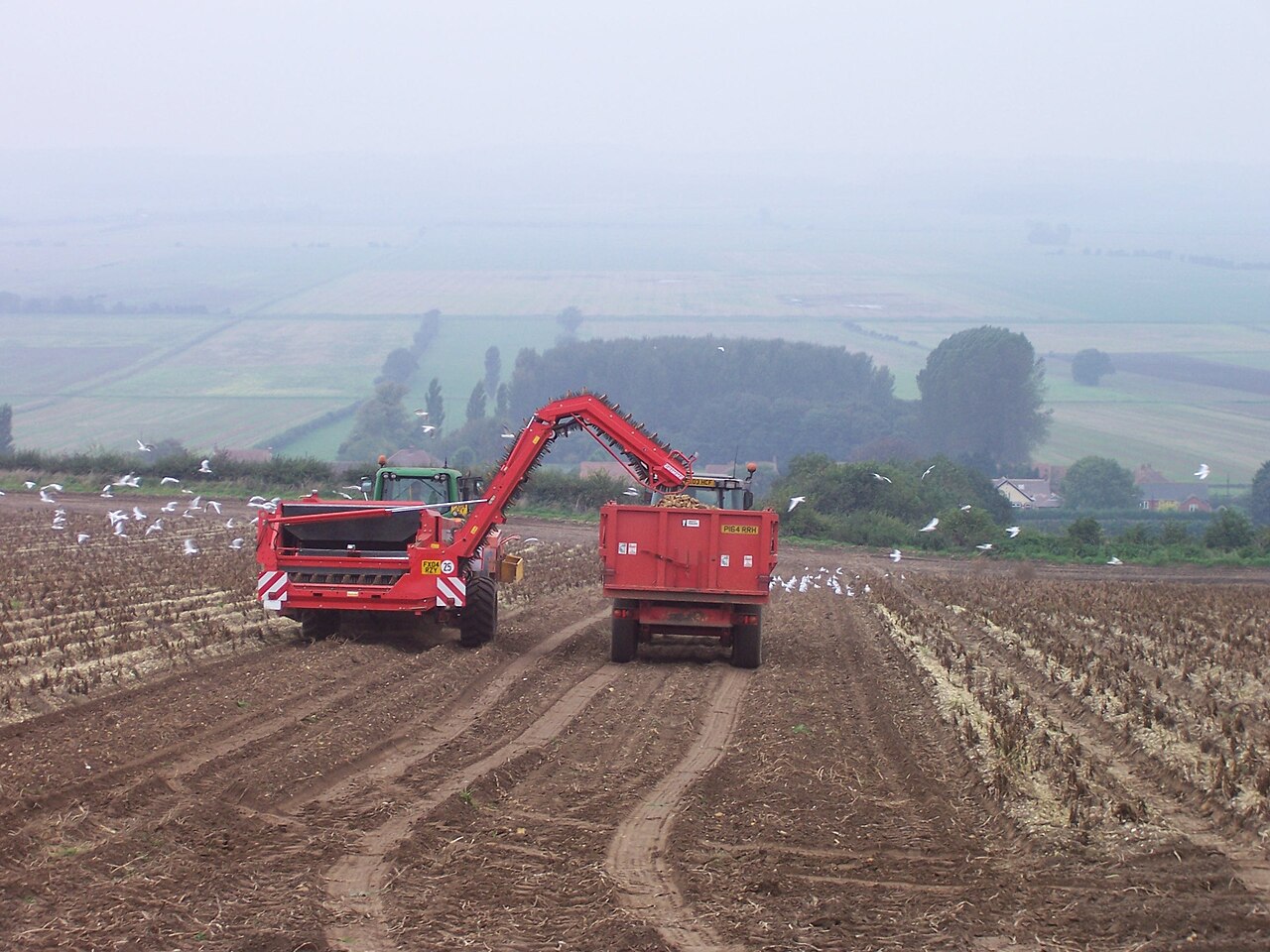
A potato edited to resist bruising can be planted in the open in England from 19 November 2026, after the Department for Environment, Food and Rural Affairs (Defra) confirmed that the line meets the rules of the Genetic Technology (Precision Breeding) Act 2023. The developer is Phytoform, a crop biotechnology company based at the Lawes Open Innovation Hub in Harpenden, Hertfordshire.
Defra's release notice, published on 30 October, describes how the edit was made. Phytoform's scientists took protoplasts, plant cells with their outer wall removed, from young potato plants and added a site-directed nuclease enzyme with a synthetic guide RNA. The guide RNA takes the enzyme to one place in the genome, where it cuts the DNA. The cell's own error-prone repair then left small deletions that switched off both copies of the target gene. The enzyme and guide RNA break down in the cell and are not present in the finished plant.
The notice does not name the gene. It does confirm the result: tubers from the edited line bruised less than those of unedited plants. It gives no figure for the size of the improvement and does not say whether the trait has been tested over several seasons or in other varieties.
Bruising is an old source of loss in the potato trade. Tubers knocked during harvest, storage or transport are often downgraded or rejected by processors and retailers, even though the discolouration does not make them unsafe or less nutritious.
The route matters as much as the trait. The Precision Breeding Act, in force in England since 2025, gives a lighter procedure to plants edited in ways that could in principle have come about through conventional breeding or natural mutation, as distinct from crops carrying genes from another species. Developers must still notify Defra and its advisory committee before each release. Phytoform's notice confirms that the plants will not enter the food chain at this stage.
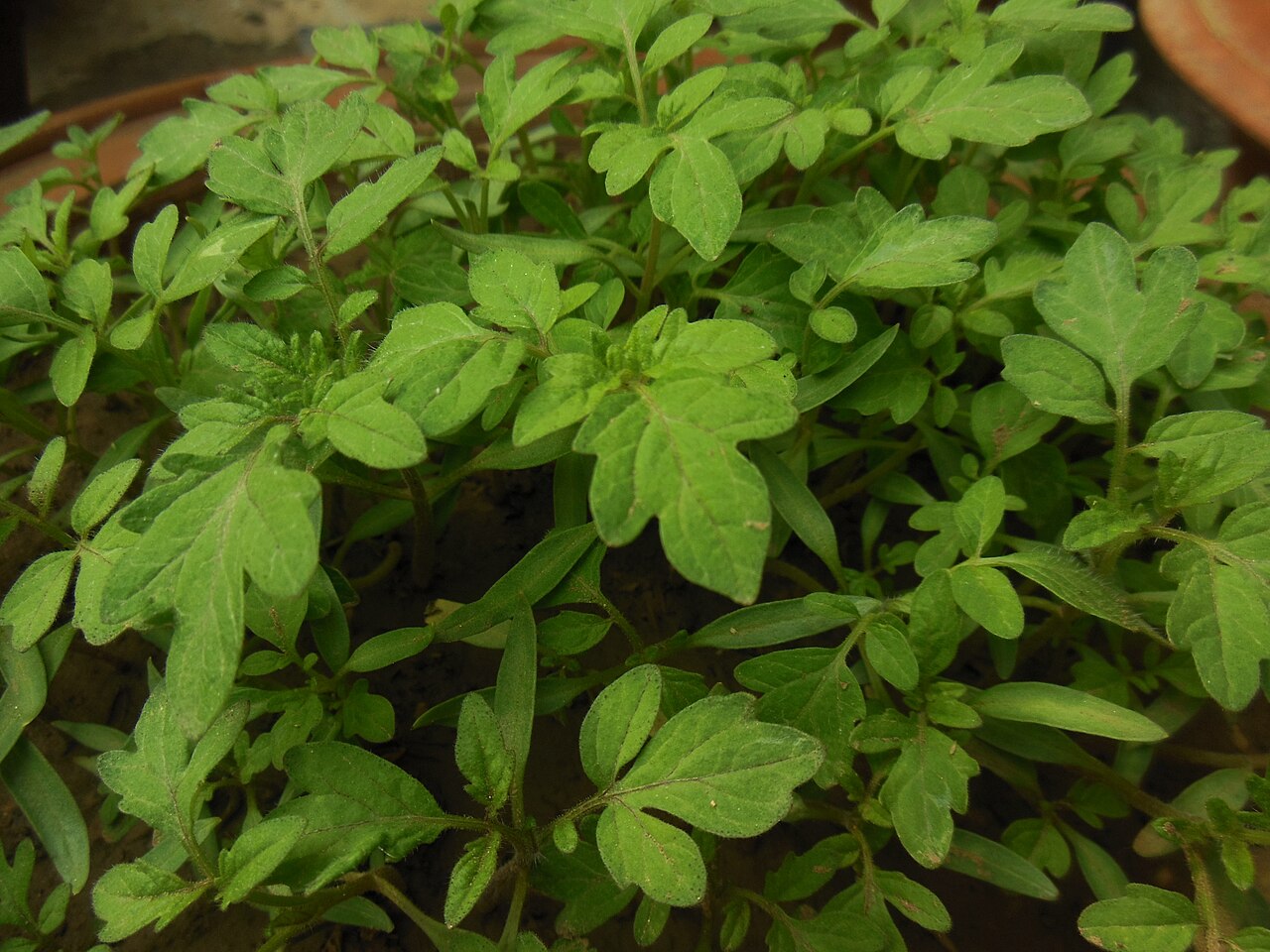
The company filed two further release notices for gene-edited tomato lines, published by Defra on 3 November under the references PBR/26/011 and PBR/26/013, also for release on or after 19 November. Their traits were not described in the published summaries.
This is a release for field testing and development, not a variety ready for growers.
Photo: D H Wright / Wikimedia Commons (CC BY 2.0)
Source: Global Agriculture

Comments
(0)