
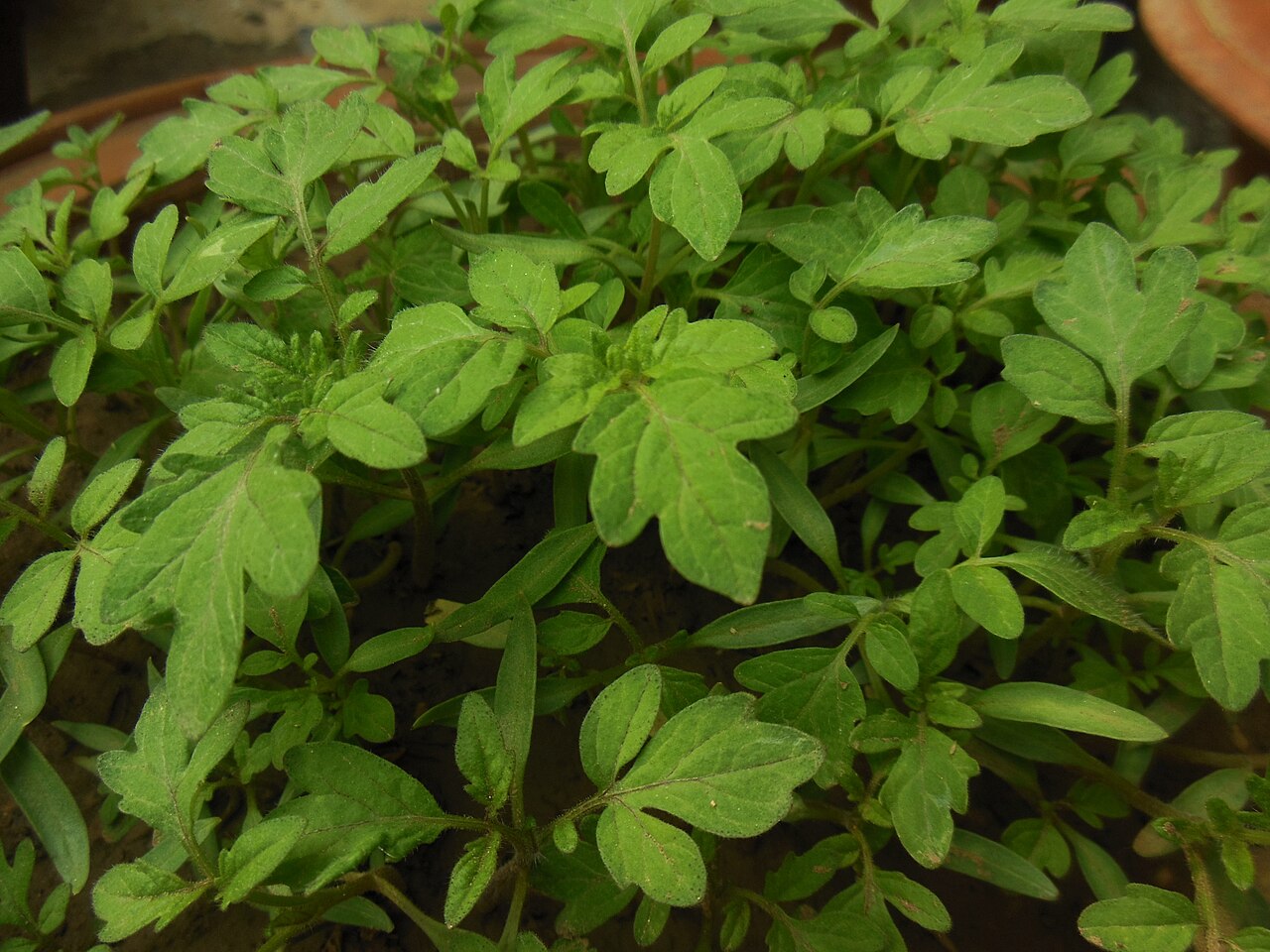
Musa Sibanyoni began growing tomatoes in 2023, during his final school year, to take his mind off exam pressure. A year later he registered his backyard plot in Kwaggafontein, KwaNdebele, in South Africa's Mpumalanga province, as a business, Musa Nhlapo's Garden, and he now aims to more than double production from 700 to 1,500 plants, Food For Mzansi reports.
He learned from his mother, Jabhile Sibanyoni, who was the family's only breadwinner and grew and sold tomatoes from her backyard. "Tomatoes wouldn't last two days at home after harvesting. When I chose the crop to farm, it was easy because I saw how quickly neighbours used to finish them from my mom's garden," he said.
He started with 100 plants on a communal plot of less than a hectare and has grown to 700. He sells to nearby spaza shops and street vendors and advertises on social media, and says that treating customers well and keeping quality high bring repeat buyers and word-of-mouth sales.
Choosing the variety matters, he says. He grows the hybrid Star 9009 F1, which he says does well in winter, tolerates Mpumalanga's heat and has some resistance to bacterial wilt. Its fruit weighs 140 to 170 grams and, he says, keeps on the shelf for seven to 14 days.
Pests and disease remain his biggest problem. Earlier this year a separate project of 500 tomato plants failed because of late blight, and growing tomatoes in winter without a greenhouse is hard. His advice to other growers is to keep a consistent spraying programme, including against fungal infection, which is the main threat in the rainy season. "When it comes to pests, you have to be vigilant because customers don't like damaged tomatoes," he said.
Water is short in his area. He has put in drip irrigation, but expanding will need more land and spending on fencing, irrigation and a reliable water supply. He learns from other growers on social media, attended a learnership run by the Mpumalanga agriculture department last year and hopes to study farm management. In time he wants to supply formal retailers and the Tshwane market and to process surplus tomatoes into other products.
The report is by Vateka Halile for Food For Mzansi.
Photo: HitroMilanese / Wikimedia Commons (CC BY-SA 3.0)
Source: Food for Mzansi

Comments
(0)