
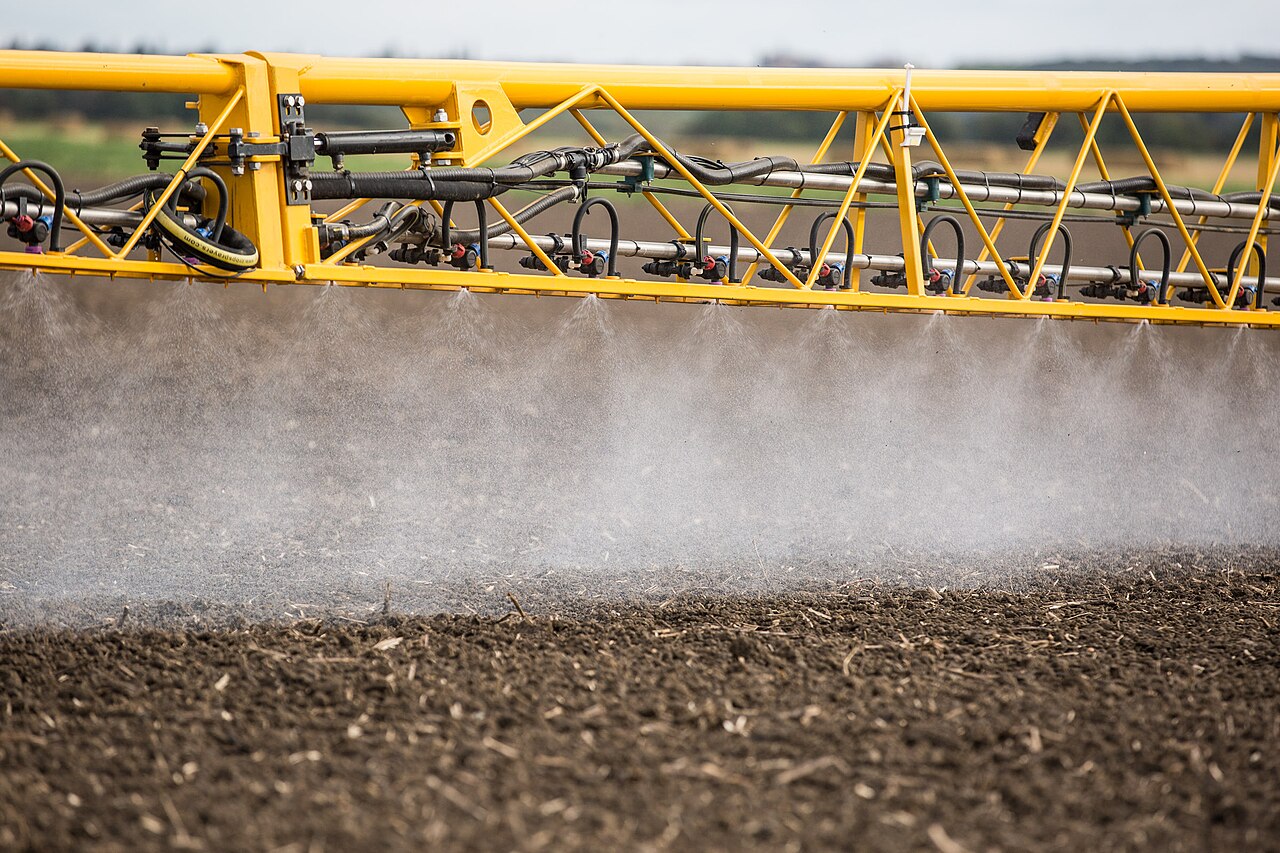
British arable farmers could lose access to a significant share of their herbicide and fungicide toolkit under a proposed UK–EU trade agreement, and the timetable for knowing has slipped again, according to a Food Standards Agency board update published on 15 September. Negotiations on a UK–EU Sanitary and Phytosanitary (SPS) agreement, which would bring British pesticide approvals into line with EU decisions, are at an advanced stage, the document says, but a summit planned for July 2026 was postponed after a change in UK government leadership. Implementation is now pencilled in for summer 2027 with no new summit date confirmed.
Plant protection products are named in the agreement's scope alongside food safety, animal health and organic standards. Under a dynamic alignment model, future decisions on which active substances may be used in Great Britain would follow determinations made in Brussels, where the UK no longer has a vote, rather than the UK's own Health and Safety Executive and its Chemicals Regulation Division.
The financial stakes were set out in a report commissioned by CropLife UK from the Andersons Centre and published on 29 January 2026. It modelled a 'cliff edge' in which Great Britain adopted EU plant-protection decisions immediately on an SPS deal taking effect, with no transition. Under that scenario total UK farm income could fall by £500–810 million in the first year, roughly 7 to 11 percent, with wheat output down 9 to 16 percent, potatoes down 4 to 6 percent and apples down 3 to 7 percent.
CropLife UK chief executive Dave Bench called that scenario potentially devastating for growers, though the body has since said it is not seeking to delay an SPS deal, only a transition period and 'managed alignment' consistent with the UK–EU Common Understanding Agreement of May 2025. NFU president Tom Bradshaw has said a transition period is essential, and the union's crops board chair, Jamie Burrows, has warned against a June 2027-style implementation without time for growers to adjust rotations and weed programmes.
Defra has countered that a broader SPS agreement could deliver economic benefits worth up to £5.1 billion a year across all covered sectors, and says negotiations continue without committing to a date.
Environmental campaigners see the issue differently. Greenpeace's investigative unit Unearthed reported in February 2026 that at least 14 active substances remain approved in Great Britain despite EU bans on cancer, fertility or foetal-health grounds, among them dimethomorph, benthiavalicarb and ipconazole, and argued they should be withdrawn quickly whatever the outcome of the talks.
Photo: Chafer Machinery / Wikimedia Commons (CC BY 2.0)
Source: Global Agriculture

Comments
(0)