
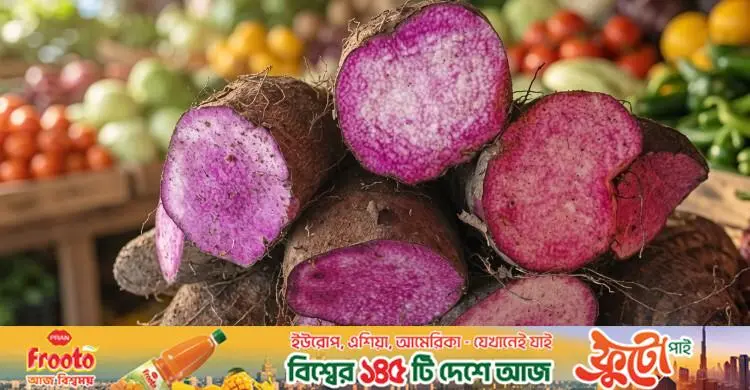
At Kasa and Kin, a popular Filipino restaurant in London, the "ube tsunami cheesecake" stands out with its glossy deep-purple glaze. Dessert lovers crowd in for ube brownies, ube ice cream, ube macarons and ube margaritas. The restaurant once drew mainly Filipino expatriates looking for a taste of home, but now food lovers travel from far away just to photograph the eye-catching purple pastries and share them on social media.
Ube, a common kind of yam used in traditional Filipino sweets, has taken Western menus by storm. Over the past year, global brands such as Starbucks, Costa Coffee and Pret A Manger have added ube drinks to their menus across America and Europe. Its mild, earthy, slightly nutty flavour appeals to people, but the bigger reason is its striking purple colour, which turned the humble tuber into an overnight internet sensation.
Known scientifically as Dioscorea alata, ube owes its purple colour to an antioxidant called anthocyanin, and it is now also regarded as a kind of superfood.
From staple to dessert
Manila food researcher Ige Ramos said ube was the main source of carbohydrate in the Philippines long before rice became the staple. After Spanish colonial rule in the 16th century it took the form of a dessert, "halaya" (from the Spanish word for jelly). Later, under American rule in the late 19th century, condensed milk was added to the jam to enrich it. For Filipinos, this sweet, creamy halaya is what real ube means.
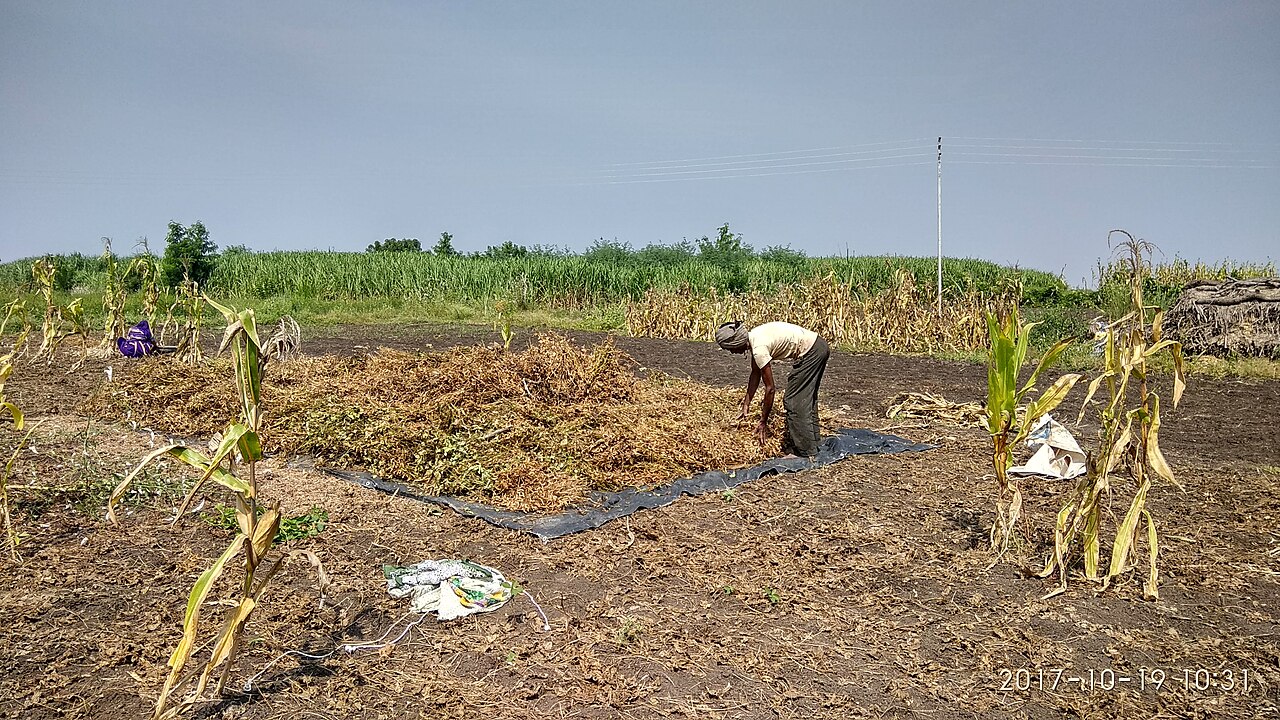
The unprecedented worldwide demand has left ube farmers in the Philippines struggling. The vines take about 10 months to mature and yield only once a year, and the country's frequent floods and storms often destroy the crop. It is grown mainly on small plots using traditional methods.
Competition and fakes
Filipino farmers now also face stiff competition from countries such as Vietnam and China, while fake products sold as ube are multiplying. Kyle Russell, a Filipino living in England, said he once ordered an "ube cocktail" and found it had been made with sweet potato powder instead of real ube. People are exploiting the trend and making fakes just to make money, he complained.
Despite rising global demand, planting material is in severe short supply. A tuber must be cut into several pieces to grow new plants, so a kilogram of tubers yields only a few seedlings.
The Philippine government is offering farmers some hope by funding research into how to produce more seedlings from a single tuber.
Rozel Juan, a farmer on Mindanao island, started growing ube last April after seeing its huge popularity online. Ube that sold for 30 to 50 pesos a kilogram a few years ago now fetches 150 pesos (about US$3), he said. "It was a very ordinary plant to us, but now it is like solid gold."
The story draws on The Economist.
Source: Jagonews24. First published in Bengali on The Agro News.
Comments
(0)