
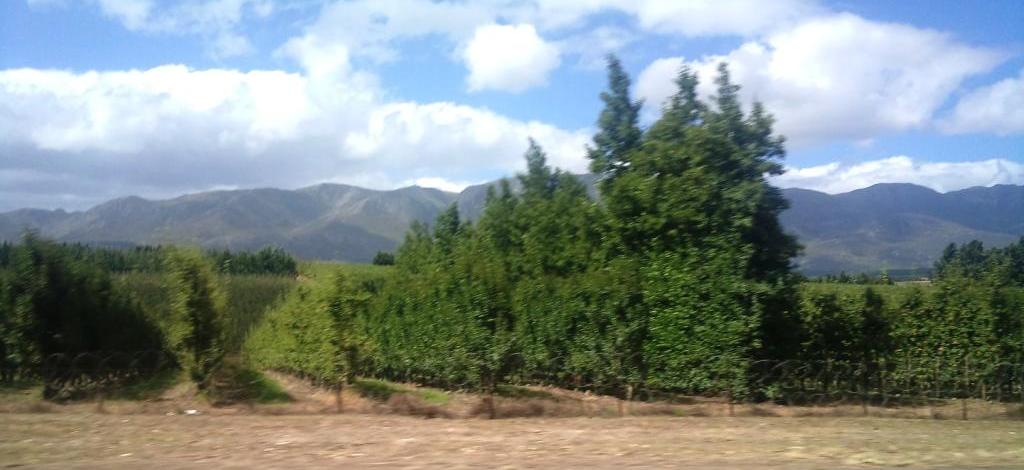
South African apple exporter Tru-Cape Fruit Marketing says its apple exports to China have risen by almost 50% so far this year after China removed its import tariff on South African fruit.
Until 1 May 2026, South African fruit entering China paid a 10% import tariff. The cut to zero puts South African exporters on an equal footing, said Conrad Fick, Tru-Cape's marketing director, with all Southern Hemisphere countries now enjoying a zero tariff. Tru-Cape accounts for more than 20% of South Africa's apple exports to China.
"The tariff reduction presents a good opportunity to expand our market share in Chinese retail," Fick said, adding that Royal Gala Red and Royal Beaut apples are doing particularly well and that the Flash Gala brand is gaining acceptance, helping to raise both volumes and prices.
Fick stressed that China remains a premium market where quality is non-negotiable, and that consumer preferences must be understood. When the market is undersupplied, he said, there are also good openings for smaller apples. New Zealand has the advantage of proximity and is well established in larger apples bought as gifts, but Fick said Chinese consumers like the flavour of South African apples, which can be grown more cheaply than New Zealand's and shipped faster than Chile's.
Tru-Cape's managing director, Roelf Pienaar, called the tariff removal an important step in developing the market, but said similar access is needed elsewhere, especially in India, where South African apples still face a 50% import duty.
"Our biggest challenge for 2027 will be the changes to import duties in India," Pienaar said. From January 2027, India's duty on New Zealand apples is set to fall from 50% to 25%, and he said the duty on apples from the European Union is likely to drop from 50% to 20%, while there is no certainty on when South Africa's 50% will come down. Food for Mzansi notes that the widening gap could leave South African exporters at a disadvantage in a market with strong growth potential.
Photo: Abu Shawka / Wikimedia Commons (CC0)
Source: Food for Mzansi

Comments
(0)