

June, July and August are the right months to plant saplings, making this the time to put the right sapling in the right place. Saplings can be bought from nurseries now. Particular attention should go to fruit and medicinal trees, which provide fruit, medicine and timber alike.
Saplings should be planted in places free from flooding, with good air flow and sunlight. They can be planted in front of and around mosques, temples, churches, schools, colleges, offices, courts, madrasas, universities and other institutions. Suitable trees for such places include debdaru, coconut, areca nut, palmyra palm, date palm, neem, palm, jhau, krishnachura, mango, jackfruit and lychee.
Around the home
Saplings can be planted in tubs on the roofs of brick houses: orange, guava, kul (jujube), pomelo, pomegranate, henna, lychee and so on. On the south side of the house, small and less bushy trees should be planted to let in sun and light, such as areca nut, coconut, neem, debdaru, papaya, guava, lemon, pomelo, pomegranate and henna.
On the east and west sides, trees of medium height and medium bushiness should be planted so the yard gets light in the morning and evening. Baukul, apple kul, sapodilla, Amrapali mango, lychee, date palm, pomegranate, banana, custard apple, wood apple and guava can be planted here. Big, tall trees on the north side protect the house from storms. Mango, jackfruit, jam, star fruit, mahogany, sissoo, teak, haritaki, akashmoni and bamboo can be planted there.
Fallow land, markets and roadsides
Fallow land should be planted with mango, jackfruit, jam, star fruit, mahogany, sissoo, teak, haritaki, akashmoni, debdaru, coconut, areca nut, date palm, neem, palm, jhau, krishnachura, bamboo and similar trees. Shade trees should be planted at markets: mango, jackfruit, jam, teak, debdaru, areca nut, date palm, neem, palm, krishnachura and banyan.
Along roads, tall trees whose branches can be pruned should be planted, such as mahogany, sissoo, teak, haritaki, akashmoni, debdaru, coconut, areca nut, date palm, neem, palm, jhau, krishnachura, babla, ipil-ipil and shimul (silk cotton). Along village paths and feeder roads, sissoo, neem, debdaru, champa, ipil-ipil, painnagola or lukluki, mandar, palita madar, pania madar, babla, khoyer, bokful, palmyra palm and date palm can be planted.
Beside major roads and highways, krishnachura, konokchura, rain tree, gagan shirish, rajkoroi, shilkoroi, sissoo, mahogany, arjun, debdaru, sonalu, neem, nageshwar, akashmoni, bakul, palash, telsur, jhau and bottle palm can be planted. Beside railway lines, mahogany, sissoo, teak, akashmoni, debdaru, coconut, areca nut, date palm, neem, palm and shimul are suitable.
Embankments and farmland
Along embankments, trees with strong, spreading roots are needed, such as banyan, amra (hog plum), bamboo, mahogany, sissoo, teak, akashmoni, debdaru, coconut, areca nut and date palm. On field ridges, trees with less spreading roots that cast little shade and can be pruned, such as mahogany and debdaru, should be planted. Trees can also be planted inside fields; eucalyptus can be chosen here, with a few trees planted far apart in cropland.
In the Barind area, mango trees are now being planted widely on earth mounds built in paddy fields, and many trees are also planted on field ridges. In many places palmyra palms planted on ridges bring extra profit. Besides palmyra, date palm, areca nut, babla, bokain, jiga, koroi, eucalyptus and palita madar can be planted.
Low land, rivers and wetlands
Low land needs trees that tolerate waterlogging, such as pitali, cane, murta, bamboo, mandar, jarul, hijal and kadam. On pond banks, trees that hold the soil and look attractive can be planted, such as areca nut, coconut, neem, debdaru, papaya, guava, lemon and pomegranate.
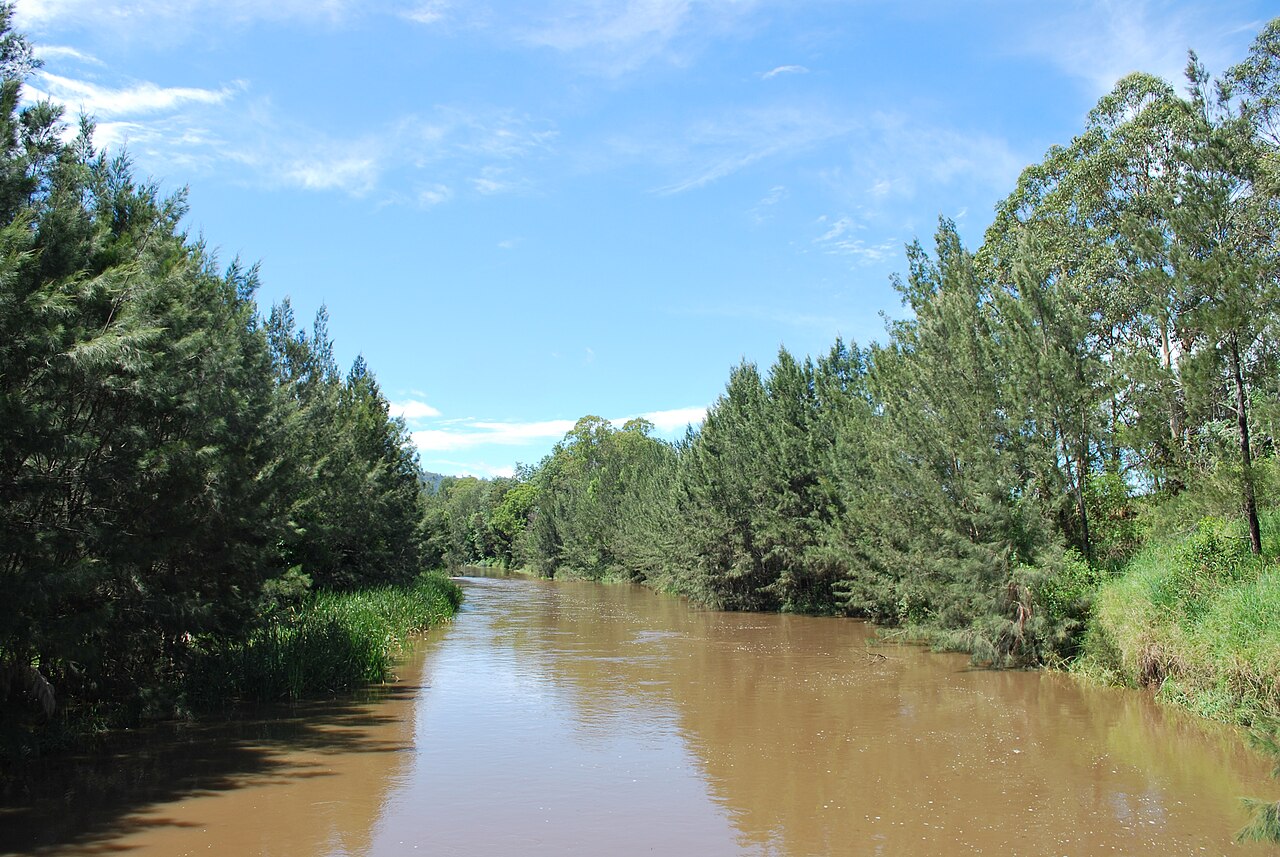
Riverbanks should be planted with water-tolerant, strong, sturdy trees that grow large, such as shimul, chhatim, pitali, cane, bamboo, murta, mandar, jarul, hijal and kadam. In beel areas where water stands for two or three months a year, hijal, koroch, bias, pitali, jarul, madar, barun, palash, kadam, chalta, putijam, dhepajam, royna or pitraj and arjun can be planted.
Coasts, chars and hills
On newly formed chars in coastal areas, keora, baen, kakra, goran and golpata can be planted. On coastal chars that are a little higher and normal, where the tide does not reach, babla, jhau, sonbolai, white koroi, black koroi, jarul and rain tree can be planted.
On chars that rise in rivers outside the coast, jhau, lonajhau, pitali, koroch and panibias can be planted. Salt-tolerant, light-leaved trees such as sundari, chhoila, goran, gewa, golpata, mandar, koroi, babla and coconut should be planted.
On much hill land, oranges and various kinds of lemon, lychee, mango, guava, black pepper, ginger and pineapple have spread successfully. In addition, telsur, chapalish, chikrashi, shilkoroi, garjan, gamar, teak, ipil-ipil, bamboo and cashew help meet the demand for timber.
So plant more trees at this time. It will protect your environment and can also bring financial gain. There is no alternative to trees for bringing temperatures down.
Source: Jagonews24. First published in Bengali on The Agro News.
Comments
(0)